
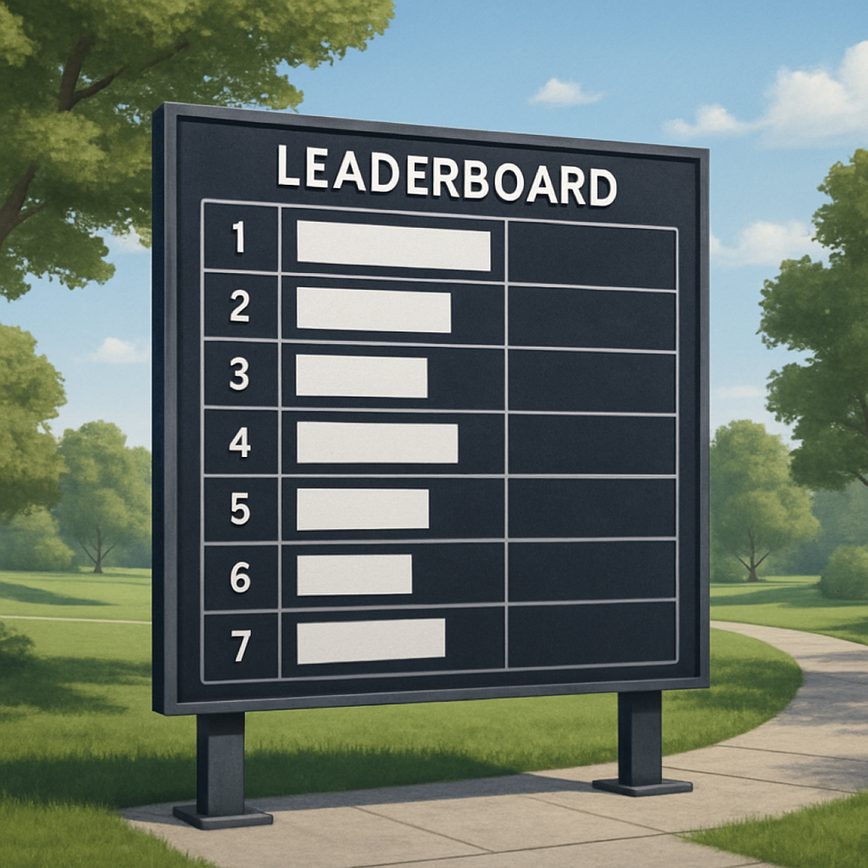
Moreover, excessive competition may create a hostile environment where collaboration and enjoyment take a backseat. When participants focus solely on climbing the leaderboard, the fun and social aspects of the platform may diminish. This hyper-competitive atmosphere can be discouraging, especially for users who consistently rank lower and struggle to catch up with top performers.
This demotivation among lower-ranking participants is a significant issue. Feeling excluded or perpetually behind can sap enthusiasm and reduce long-term engagement. Without careful design that balances competition with encouragement, leaderboards might inadvertently alienate a portion of the user base.
To mitigate these challenges, it is essential to recognize signs of fatigue and burnout and implement features that support all users, such as tiered rewards, inclusive challenges, or periodic resets. Establishing a competitive environment that fosters healthy rivalry without fostering frustration ultimately preserves user motivation and participation.
Understanding Social Leaderboards
Social leaderboards are dynamic and interactive ranking systems that display users’ progress, achievements, or scores relative to others within a community or platform. They serve as a visual representation of competition metrics, allowing participants to see how they stack up against their peers in real time. These leaderboards can be found across various platforms, including gaming environments, educational apps, fitness trackers, and social media campaigns.
At their core, social leaderboards function by collecting and updating data points — such as points earned, levels completed, or tasks accomplished — which are then reflected in an ordered list based on performance. This transparent display of rankings motivates users to engage more deeply with the platform, aiming to improve their position and outperform others. The mechanics behind social leaderboards rely heavily on competition metrics to quantify user achievements and create a fair comparison framework.
One of the most significant roles social leaderboards play is within the realm of gamification. By integrating game-like elements such as scores, badges, and ranks into non-game environments, leaderboards make experiences more engaging and enjoyable. They tap into the natural human desire for recognition and achievement, fostering a competitive atmosphere that encourages consistent participation. Whether in a corporate wellness program or an educational platform, gamification powered by social leaderboards transforms mundane tasks into compelling challenges.
Moreover, social leaderboards drive engagement by promoting a sense of community and healthy competition. Users often share their rankings on social networks, inviting friends to join or challenge themselves further. This social aspect enhances motivation by adding accountability and recognition beyond the platform itself. The visible competition metrics provide clear goals and milestones, which help sustain long-term interest and user retention.
In summary, understanding the basics of social leaderboards reveals how they serve as powerful tools for boosting user interaction. By showcasing competition metrics and embedding gamification principles, these leaderboards create an engaging, competitive environment that drives continuous participation and achievement across various platforms.
Definition and Purpose of Social Leaderboards
Social leaderboards are dynamic engagement tools designed to rank users based on their performance or participation within a community or platform. They display a list of top performers, fostering a sense of social competition among participants. The primary definition of social leaderboards centers on their ability to visually represent competitive standings, making achievements visible and tangible to others.
The purpose of social leaderboards extends beyond simple ranking; they are strategically used to encourage user participation and enhance engagement. By publicly showcasing progress and success, these leaderboards motivate users to compete and strive for higher positions. This competition, driven by the social aspect of peer recognition, amplifies active involvement and sustained interaction with the platform or activity.
In essence, social leaderboards serve as powerful engagement tools that harness human nature’s intrinsic motivation toward competition and achievement. They create an environment where users are inspired to improve their performance, thereby increasing overall activity and fostering a vibrant, interactive community. Through clear definitions and purposeful design, social leaderboards effectively drive social competition and engagement, making them indispensable in modern user experience strategies.
Types of Social Leaderboards
Social leaderboards come in various types, each designed to enhance competition through unique ranking systems and scoreboards. One common type is the global leaderboard, which ranks all participants in an app, game, or social network based on their overall score or achievements. This type promotes wide-scale competition and motivates users to climb to the top of a comprehensive ranking system.
Another popular type is the friend leaderboard, which displays rankings among a user’s social circle. This format fosters a more personalized competitive environment by encouraging rivalry and engagement within familiar groups. It leverages social connections to increase motivation and interaction.
There are also segmented or tiered leaderboards that categorize participants by skill level, region, or other criteria. These leaderboards create more balanced competition formats by ensuring users compete against others with similar abilities or interests. They often include multiple scoreboards, enabling participants to track progress within their segment and aspire to move up tiers.
Finally, event or challenge-based leaderboards are time-limited and focused on specific competitions or missions. These dynamic scoreboards drive short-term bursts of competition, rewarding quick action and strategy. By incorporating countdowns and special rewards, they keep users engaged with fresh and exciting content.
How Social Leaderboards Drive Competition
Social leaderboards harness powerful psychological and social triggers to stimulate competition among users, significantly impacting motivation and behavior. At the core of this dynamic lies behavioral psychology, which explains how individuals are driven by rewards and recognition to improve their standing relative to others. Social leaderboards capitalize on this by providing visible rankings that tap into individuals’ intrinsic desire for accomplishment and external validation.
One of the primary psychological triggers activated by social leaderboards is the sense of achievement. When users see their names climbing the ranks, it triggers a dopamine response in the brain, reinforcing the behavior that led to their success. This reward system motivates them to compete harder and more frequently, creating a sustained cycle of engagement. The visibility of their progress against others encourages users to push boundaries and challenge themselves, enhancing overall motivation.
Moreover, social influence plays a critical role in how competition unfolds on leaderboards. Humans are inherently social creatures, and the presence of peers in a competitive setting increases accountability and drives motivation. Seeing friends or rivals perform well creates a social benchmark that users naturally strive to surpass. This social comparison effect not only enhances competitive spirit but also fosters a community atmosphere where users feel connected through shared goals and challenges.
Competition, as driven by social leaderboards, also leverages a mix of cooperative and competitive instincts. While the visible rankings promote rivalry, they also encourage collaborative behavior when users form teams or share strategies to climb higher together. This dual function strengthens commitment and engagement by balancing the desire to win with social bonding. Behavioral psychology suggests that such dual engagement methods keep users invested for longer periods and enhance the overall user experience.
In essence, social leaderboards are a strategic tool that integrates competition, motivation, behavioral psychology, and social influence to stimulate user engagement. By making achievements public and socially relevant, they transform solitary tasks into dynamic social competitions. This interplay of psychological triggers ensures that users remain motivated and continuously strive to improve, driving both individual and collective progress.
Increased Motivation Through Social Comparison
Social comparison is a powerful psychological mechanism that leaderboards leverage to boost motivation among users. When participants see their performance ranked against others, it triggers a natural desire to improve and climb the ranks. This direct visibility into how they measure up encourages competitive behavior, compelling users to engage more actively with the platform or activity.
The motivation derived from social comparison is multifaceted. Users experience both intrinsic and extrinsic motivation as they strive to outperform peers or maintain their standing. This dynamic fosters an engaging environment where achievements are not only personal milestones but also social statements. Consequently, social comparison through leaderboards enhances user engagement by making progress transparent and contests stimulating.
Moreover, competitive behavior sparked by social comparison can lead to sustained participation and improvement. As users witness their rankings fluctuate, the drive to refine skills and increase effort intensifies. The feedback loop created by social comparison on leaderboards serves as continuous encouragement, reinforcing the commitment to compete and succeed within a community of peers.
Encouraging Consistent Participation
Social leaderboards play a crucial role in driving participation by tapping into users’ competitive streaks. By showcasing real-time rankings, they motivate users to continuously engage with a platform to improve or maintain their standing. This ongoing competition creates a dynamic environment where participation is not a one-off event but a repeated behavior, encouraging users to return regularly.
One of the key benefits of leaderboards is their ability to enhance user retention. When users see their progress alongside peers, it instills a sense of achievement and accountability that compels them to keep participating. This effect is particularly powerful when combined with engagement strategies that reward consistent activity, fostering long-term loyalty and commitment.
Moreover, leaderboards cater to different types of competitive mindsets by offering multiple metrics or categories to compete in, ensuring that all users find an area where they can excel. This variety not only sustains interest but also broadens participation by appealing to diverse user motivations. In essence, leaderboards encourage a thriving and active community where participation is continuously reinforced through friendly rivalry and personal goals.
Benefits and Limitations of Social Leaderboards
Social leaderboards bring several benefits that enhance user experience and fuel healthy competition within communities. One of the primary benefits is increased motivation. Seeing their names prominently displayed on a leaderboard encourages users to engage more actively, striving to improve their ranks and outperform others. This competitive element can boost participation rates and foster a more dynamic and vibrant community.
Another advantage is community building. Leaderboards create a shared goal or challenge among users, which can facilitate interaction and camaraderie. Users often cheer each other on or form teams to climb the ranks together, which strengthens community ties and enhances the overall user experience. Additionally, social leaderboards provide clear and transparent feedback on performance, allowing users to track their progress and set achievable goals.
However, there are some limitations and potential drawbacks to consider. While competition can be motivating for many, it can also create pressure and stress, leading to a negative experience for some users. Not everyone thrives in competitive environments, and continuous ranking comparisons may discourage those who struggle to keep up, which can harm user retention and satisfaction.
Furthermore, social leaderboards can sometimes promote unhealthy competition and even resentment. If users perceive the competition as unfair or dominated by a select few, it can lead to feelings of exclusion or frustration, ultimately harming community dynamics. Ensuring that leaderboards are well-designed and include mechanisms to level the playing field is crucial to avoiding these issues.
In summary, while social leaderboards bring significant benefits such as enhanced motivation, community bonding, and improved user engagement, they must be carefully managed to mitigate potential limitations. Balancing the competitive aspects with a positive user experience is essential to avoid the drawbacks that can undermine the community and detract from the overall enjoyment.
Positive Outcomes for Engagement and Growth
Social leaderboards create a powerful dynamic that significantly boosts engagement among users. By introducing a visible and competitive element, users are naturally motivated to participate more actively, striving to improve their standing. This heightened user motivation not only encourages frequent interaction but also fosters a deeper connection with the platform. As users compete, the thrill of social competition enhances retention, ensuring that they keep coming back to maintain or surpass their position on the leaderboard.
Moreover, the competitive atmosphere fueled by leaderboards can spark viral growth. When users see their achievements publicly recognized, they are more likely to share their progress with friends and communities, expanding the platform’s reach organically. This social proof acts as a catalyst for attracting new users, who are drawn by the engaging, competitive environment. Consequently, the combination of increased engagement, motivation, and retention through social leaderboards contributes to sustained growth and a vibrant user base.
Ultimately, integrating social leaderboards is a strategic way to harness user motivation, drive consistent engagement, and promote viral growth. These benefits collectively enhance user retention, making leaderboards a valuable tool for any platform aiming to foster an active and expanding community.
Potential Challenges and User Fatigue
While social leaderboards can be powerful motivators, they also come with potential challenges that can impact user experience negatively. One of the primary concerns is user fatigue or burnout, which occurs when participants feel overwhelmed by constant competition. The pressure to maintain or improve rankings can lead to excessive stress, causing users to lose interest or disengage altogether.

I’ve been exploring casino games and betting strategies since I first tried a slot machine in a local arcade. I love breaking down game mechanics, hunting for the best bonuses, and sharing responsible gaming tips with our community.
