
Understanding Tournaments and Engagement
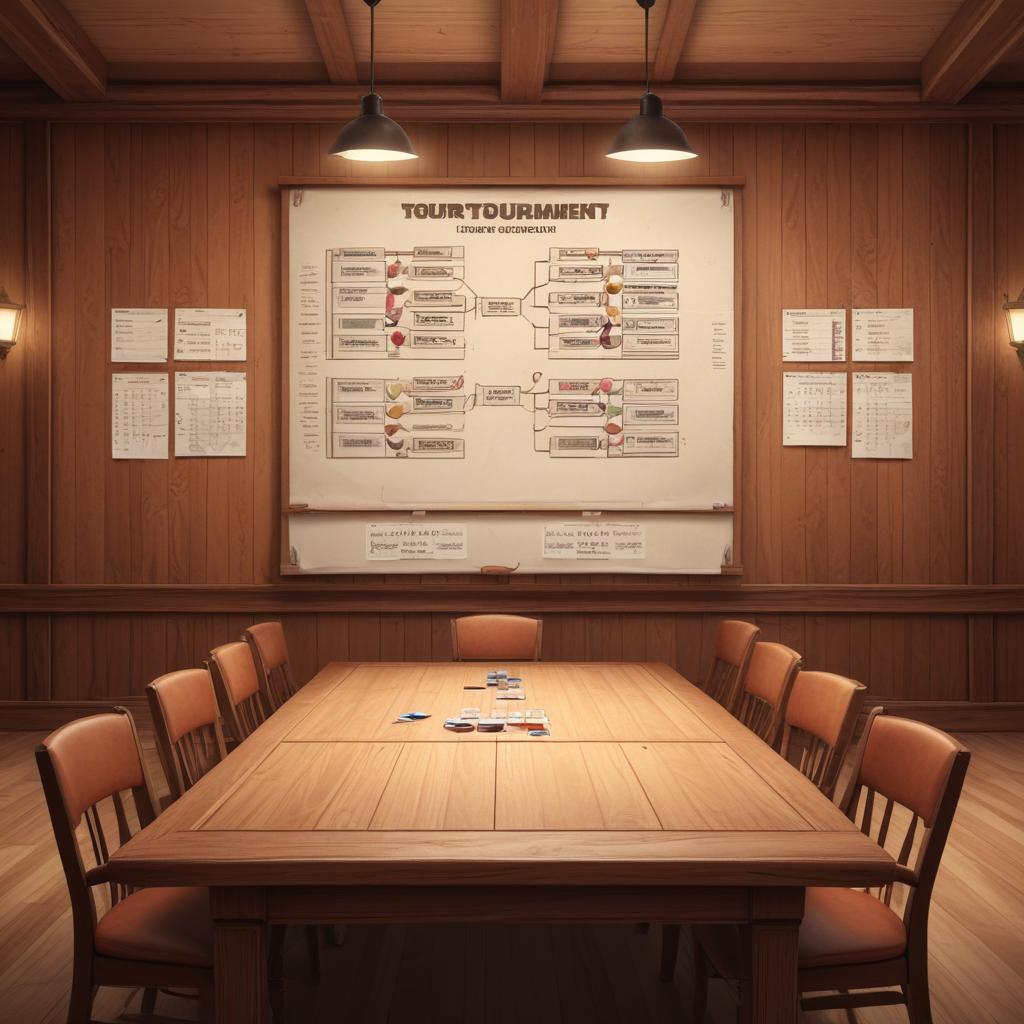
Tournaments are competitive gatherings in which individuals or teams face off to secure a win, typically involving multiple matches or rounds. These competitions exist in several formats, such as single-elimination, double-elimination, round-robin, and Swiss system tournaments, each intended to assess skill, strategy, and stamina. No matter the format, tournaments naturally foster participation by establishing an organized yet exciting atmosphere for both competitors and spectators.
Single-elimination tournaments are simple: a single loss results in elimination, leading to heightened stakes and thrilling moments that engage viewers. Double-elimination formats provide a backup opportunity, extending involvement and maintaining interest over a longer duration. Round-robin tournaments guarantee that each competitor faces all others, enhancing participation and offering the audience multiple chances to engage with the players. The Swiss system strikes a balance between fairness and efficiency, particularly in larger events, by matching participants based on comparable performance levels.
A major factor behind tournaments boost engagement is their capacity to foster ongoing audience engagement. As games progress, spectators become invested in the results, supporting their preferred players or teams. This emotional connection drives active involvement, whether through cheering, discussions on social media, or live chats. Additionally, tournaments frequently offer features like leaderboards, real-time score updates, and interactive streaming choices that promote immediate audience interaction.
Moreover, tournaments promote community development by uniting individuals with common interests. Supporters not only track the competition but also connect with each other via forums, comment sections, and fan groups. This collective experience fosters a feeling of belonging and enhances overall involvement beyond merely viewing the event. Furthermore, players engage with fans during and after competitions, providing a personal connection to the audience interaction.
Engagement in tournaments goes beyond just the competitors; spectators frequently engage in polls, make predictions, and join side contests that enhance the primary event. These interactive features encourage audiences to fully engage, turning passive viewers into active contributors. By merging competitive formats with chances for interaction and community participation, tournaments organically evolve into lively platforms that greatly enhance involvement at every level.
Types of Tournaments that Drive Engagement
Competitive events are available in various formats, offering distinct benefits for engagement strategies. Grasping the various tournament types can assist organizers in choosing the most effective methods to boost user involvement and enthusiasm. A well-known format is the elimination tournament, commonly called a knockout or single-elimination. In this setup, participants face off in direct matches, with the defeated contender instantly removed from the competition. This structure fosters high stakes and urgency, driving participants to remain fully engaged since every round is crucial. It also tends to create suspense for viewers, amplifying the overall excitement of the event.
An additional successful format is the round-robin tournament, in which every participant competes against all other contenders in the event. This structure guarantees thorough competition and allows each player numerous chances to demonstrate their abilities. The ongoing interactions in round-robin tournaments significantly enhance user retention and involvement, as it minimizes the chances of early exits, ensuring players remain engaged throughout the event. In terms of engagement strategies, this translates to extended participation and stronger player dedication.
Hybrid tournament formats that merge elimination and round-robin elements are becoming increasingly popular. For instance, a round-robin group stage leading into an elimination bracket can provide the advantages of longer gameplay and high-pressure rounds. These versatile tournament styles appeal to a wide range of participant preferences, serving as effective methods for boosting overall engagement. By carefully designing tournament formats, organizers can create competitive events that not only draw in participants but also promote ongoing interaction and enthusiasm.
Psychology Behind Tournament Participation
Tournaments deeply engage human motivation and the psychology of competition, influencing user behavior significantly. Fundamentally, they harness the natural urge to compete and excel against peers, fostering engagement and ongoing interest. This competitive atmosphere activates psychological processes that encourage participants to enhance their performance and seek acknowledgment.
A key aspect of the primary motivators in tournaments is the system of rewards. Be it prizes, recognition, or special access, these rewards—both tangible and intangible—serve as strong motivators. Reward systems reinforce positive behavior and foster a feeling of accomplishment, prompting users to dedicate additional time and effort to the contest. This ongoing motivation helps maintain engagement even after the initial involvement.
A key psychological factor is social proof. When individuals witness others taking part and thriving in tournaments, it affirms the worth of the activity and makes participation feel more standard. This social proof cultivates a feeling of community and belonging, which are essential for keeping users engaged. As users notice their peers actively participating in tournaments, it boosts their own drive to join and stay involved.
In summary, grasping these psychological drivers—competition, incentives, and social validation—clarifies why tournaments serve as powerful mechanisms for enhancing engagement. By integrating these factors, tournaments foster vibrant settings that encourage user actions focused on ongoing involvement and excitement.
Benefits of Tournaments for Increasing User Engagement

Tournaments serve as an effective mechanism for enhancing user engagement on multiple platforms. By providing a well-organized and competitive setting, tournaments inherently motivate users to engage more often and with greater enthusiasm. A key advantage is enhanced user retention. When players or participants are engaged in a tournament, they are more likely to return consistently to monitor their advancement, compete, and pursue rewards. This ongoing engagement diminishes attrition and maintains an active and vibrant user community.
An important benefit of organizing tournaments is the promotion of community development. Tournaments provide a collective experience that can bring users together through shared objectives and enjoyable rivalry. This communal environment fosters a sense of belonging, motivating social engagement and the creation of relationships among participants. As users interact, share tactics, and rejoice in their achievements, a robust sense of community takes shape. This not only improves the user experience but also cultivates a devoted audience that feels a deep emotional connection to the platform.
Alongside retention and community, tournaments play a crucial role in boosting interaction rates. The competitive nature encourages users to connect more thoroughly with the content, fellow users, and the platform’s functionalities. For example, participants might join live chats, forums, or social media to talk about current matches or the results of tournaments. This heightened engagement enhances the platform by creating more user-generated content and promoting lively discussions, which can draw in additional participants. Moreover, interaction cultivates improved feedback loops, as involved users tend to offer more valuable insights.
Loyalty represents another significant advantage fostered by tournaments. When participants dedicate time and energy to competitions, particularly when substantial rewards or acknowledgment are at stake, they develop a bond not just with the event but also with the platform. This loyalty results in frequent returns, increased lifetime value, and natural promotion through referrals. Players who sense appreciation and worth in a tournament environment are more inclined to remain involved over the long haul.
Tournaments are a powerful way to enhance user engagement by combining competition, social interaction, and incentive structures. They promote user retention by providing reasons for participants to come back regularly, encourage community development by linking users through common experiences, elevate interaction levels by motivating communication and active involvement, and nurture loyalty through recognition of commitment. Platforms that utilize tournaments can anticipate a more dynamic, engaged, and devoted user base, which ultimately contributes to ongoing growth and achievement.
Enhancing Social Interaction Through Competition
Tournaments act as a vibrant venue that greatly enhances social interaction by promoting a sense of community involvement. In the organized setting of competition, participants are instinctively motivated to engage and cooperate, improving connections among team members and the broader audience. This competitive structure offers chances for individuals to forge relationships as they unite to plan strategies and tackle obstacles, thereby reinforcing their teamwork abilities.
Additionally, having an audience introduces another dimension of social interaction, as fans, relatives, and friends participate by applauding, exchanging thoughts, and analyzing gameplay. This collective excitement fosters a vibrant environment that encourages dialogue and strengthens connections among users with shared interests. Tournaments turn casual participants into a dynamic community, where social involvement goes beyond the game and leads to significant interactions.
Through promoting both direct rivalry and teamwork, tournaments motivate players to communicate efficiently, fostering trust and friendship. The competitive environment serves as a driving force for open communication and cooperation, leading to stronger connections among users. In the end, tournaments integrate social interaction as a fundamental aspect of the experience, transforming solitary players into an interconnected community that flourishes through interaction and common objectives.
Driving Repeat Engagement and Loyalty
Regularly held tournaments are essential for enhancing user retention as they motivate returning users to engage consistently. When tournaments occur on a regular basis, participants begin to look forward to them and establish a routine of interacting with the platform. This reliable pattern of competition generates an atmosphere of excitement that draws users back to refine their skills and elevate their rankings.
Moreover, combining loyalty programs with tournaments enhances this impact. Loyalty programs recognize users for their sustained engagement, whether through points, exclusive rewards, or special acknowledgment. These incentives encourage players to participate in tournaments repeatedly and maintain their activity over time. By connecting rewards to consistent involvement, platforms can foster a community of committed users who feel appreciated and invested in the experience.
These approaches are crucial for transforming occasional participants into dedicated supporters who take part in various events and promote the platform to others. Returning users often have a beneficial impact on the ecosystem by boosting user-generated content, fostering social proof, and elevating the overall competitive environment. This continuous cycle of engagement ultimately fortifies the user community and lays the groundwork for lasting growth.
In conclusion, utilizing ongoing tournaments along with thoughtfully designed loyalty programs serves as a powerful strategy to enhance user retention. These approaches provide regular chances for interaction, acknowledging commitment and nurturing a devoted community eager to come back repeatedly.
Strategies to Optimize Tournament Engagement
Enhancing participation in tournaments necessitates a blend of carefully planned engagement tactics and smooth user experience design. To market tournaments successfully, it is essential to grasp the motivations and preferences of your target audience. Customizing promotions and incentives to align with these interests can significantly boost user involvement and, in turn, elevate the event’s overall influence.
A crucial approach to engagement is to establish a clear and enticing value proposition for participants. Whether it involves unique rewards, acknowledgment from peers, or thrilling competition, emphasizing the benefits for players promotes participation. Sharing details about prizes and tournament regulations in advance, along with open communication, builds trust and excitement. Leverage various marketing platforms — social media, email outreach, and in-app alerts — to continually remind prospective players and maintain high energy throughout the event’s duration.
An additional key element is enhancing the user experience throughout the tournament. Create user-friendly interfaces that effectively showcase tournament status, leaderboards, and progress tracking. Streamline the registration and participation procedures to eliminate obstacles that could deter users from joining. Think about incorporating real-time updates and interactive options like live chats or forums to foster a sense of community and social interaction among participants.
Moreover, segmentation and personalization serve as effective marketing strategies to improve engagement efforts. By examining user behavior and demographic information, tournaments can be customized for various audience segments according to skill level, time zone, or interests. Tailored messaging, reminders, and individualized rewards help maintain user motivation and a sense of worth, leading to higher rates of ongoing participation.
To enhance engagement further, collect feedback after the tournament and analyze data to assess what was effective and what needs improvement. Understanding user preferences, optimal participation periods, and favored rewards enables organizers to enhance upcoming marketing tournaments for superior outcomes. Ongoing enhancement based on actual user data is crucial for sustained success in engagement driven by tournaments.
Integrating these optimal approaches—focused engagement tactics, impactful marketing competitions, smooth user experience design, and data-informed enhancements—can greatly boost user involvement and foster unforgettable competitive moments. In the end, these initiatives lead to improved community development, heightened brand loyalty, and a dynamic player environment that flourishes through substantial tournament participation.
Incentivizing Participation with Rewards
A highly effective method to enhance tournament engagement is through the use of well-structured reward systems. Rewards act as concrete validations of participants’ hard work and accomplishments. When crafted with intention, prizes and incentives can greatly increase player motivation, fostering a more thrilling and competitive atmosphere.
Incentive programs need to be thoughtfully designed to promote ongoing engagement and inclusivity. Providing a variety of rewards—like cash prizes, unique merchandise, digital badges, or entry to upcoming events—addresses diverse player interests and enhances the experience beyond merely winning. Furthermore, implementing tiered rewards that acknowledge different levels of accomplishment helps sustain excitement across all skill levels, making sure that even beginners are inspired to participate.
An additional successful strategy is to include non-financial rewards such as leaderboard recognition, mentions on social media, or exclusive titles within the community. These incentives nurture a feeling of pride and social acknowledgment that strengthens players’ emotional ties to the tournament. When paired with conventional prizes, this creates a comprehensive rewards system that enhances both enthusiasm and commitment.
The foundation for boosting engagement via rewards is rooted in transparency and equity. Clearly outlining the requirements for rewards and reliably fulfilling commitments fosters trust and motivates more individuals to take part in upcoming tournaments. When participants recognize genuine value in the incentives provided, their drive to compete and support the community increases significantly.
Leveraging Technology to Enhance Interaction
Integrating cutting-edge technology into tournaments greatly enhances user interaction by creating a more engaging and dynamic experience. Live streaming plays an essential role, enabling spectators to view events as they happen, no matter where they are. This real-time aspect connects fans to the action, cultivating a sense of community where audiences can enjoy the thrill together as it occurs.
Real-time updates enhance live streaming by delivering immediate scores, player statistics, and match highlights. These updates ensure that fans stay informed and engaged, motivating them to track every development during the tournament. When paired with interactive elements such as live polls, Q&A sessions, and social media integration, the overall experience turns into something more vibrant and captivating.
User engagement tools like chat rooms, leaderboards, and fantasy leagues enhance interaction by providing participants with a feeling of active involvement instead of just passive observation. These elements motivate viewers to share their thoughts, forecast results, and challenge one another, transforming the tournament into a lively community experience. Utilizing these technological tools guarantees a more immersive and interconnected experience for both players and spectators, which in turn boosts engagement levels.

I’ve been exploring casino games and betting strategies since I first tried a slot machine in a local arcade. I love breaking down game mechanics, hunting for the best bonuses, and sharing responsible gaming tips with our community.
