
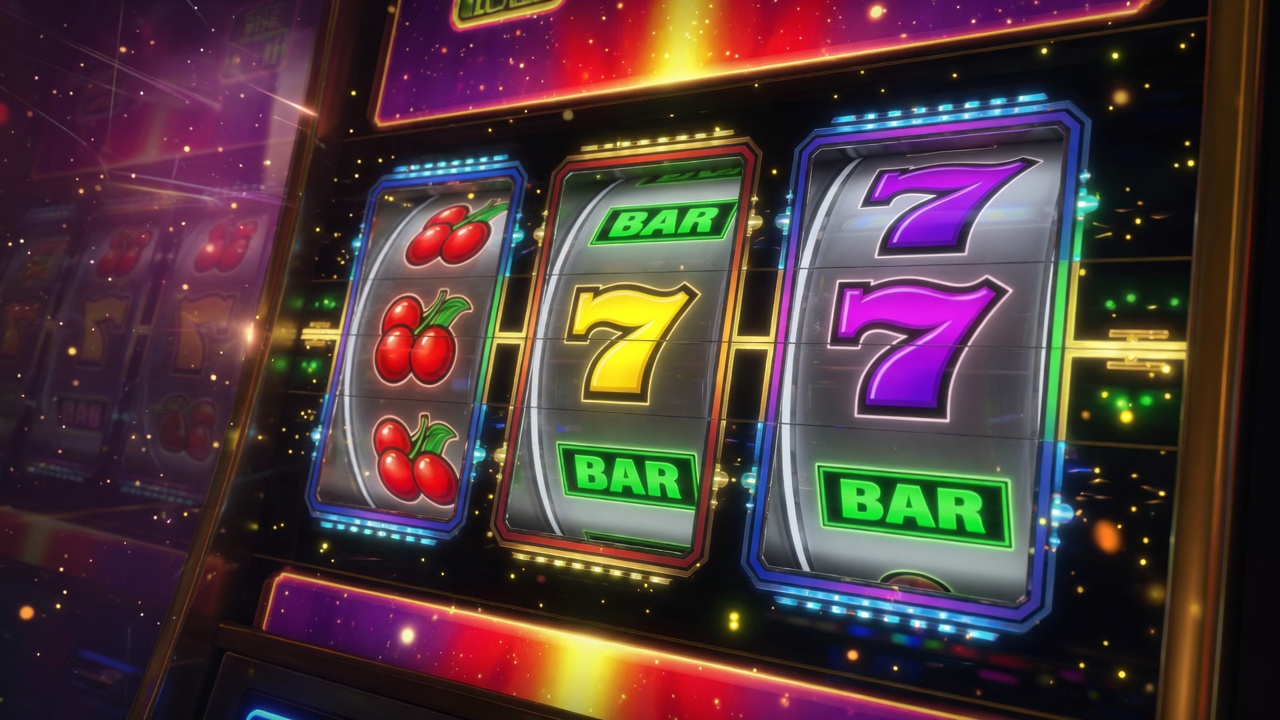
Understanding Near Miss Animations in Gaming
Near miss animations are a pivotal element in modern gaming mechanics, designed to create compelling moments where players feel they almost succeeded at a challenge or reward, but just missed it by a narrow margin. These animations simulate scenarios where the player’s outcome is close to a win or significant achievement, igniting a strong emotional response that encourages continued gameplay.
Within player psychology, the near miss effect exploits the brain’s natural tendency to focus on how close success was rather than the actual failure, which can intensify motivation and engagement. When players see animated cues indicating that they nearly hit a jackpot, unlocked a secret, or scored a critical hit, it stimulates anticipation and a desire to try again, keeping them hooked on the game.
Game designers integrate near miss animations carefully to balance frustration and excitement. These animations often include visual and auditory signals such as flashing lights, shaking reels in slot games, or the dramatic slow-motion of a narrowly missed shot in shooting games. The subtlety in these cues is essential — too overt, and the player may feel cheated; too understated, and the emotional impact is lost.
Popular games that employ near miss animations effectively include classic slot machines where the reels stop just shy of a winning combination, encouraging more spins. In video games like Street Fighter, near miss animations may appear as a barely blocked attack, pushing players to improve their defensive timing. Another example is in rhythm games like Guitar Hero where players see notes missed by a fraction, motivating repeated attempts to master the track.
By leveraging these near miss animations, developers tap into a psychological loop that enhances player engagement, reinforcing the urge to continue playing despite losses. These animations are not just decorative; they are a core mechanic in gaming that strengthens emotional investment and makes the gameplay experience more immersive and addictive.
Definition and Purpose of Near Miss Animations
Near miss animations are a specialized element of game mechanics designed to simulate situations where a player almost achieves a win but falls just short. These animations serve as a near miss definition by visually representing close calls that feel intensely real and engaging. Instead of presenting clear wins or losses, near miss animations create an illusion of proximity to success, urging players to continue playing in hopes of turning near misses into actual wins.
The primary game animation purpose behind near miss effects is to enhance player engagement and excitement. By triggering an emotional response tied to «almost winning,» these animations keep players invested in the gameplay experience, making the overall game feel more dynamic and unpredictable. This technique leverages human psychology, as the perception of near wins stimulates motivation and can increase the time a player spends on the game.
Incorporated thoughtfully within game mechanics, near miss animations act as a subtle but powerful tool to maintain player interest without offering constant rewards. Their function aligns with the goal of sustaining excitement and encouraging continued interaction, making them a staple in both digital and physical gaming environments. Ultimately, near miss animations bridge the gap between chance and skill, providing an engaging and immersive player experience.
Common Examples of Near Miss Animations
Near miss animations are widely used across various game genres to boost player engagement, leveraging the psychological impact of almost winning. One of the most classic near miss examples can be found in slot machines. These gameplay animations often show reels stopping just shy of a jackpot symbol, such as two jackpot icons aligning perfectly while the third is just slightly off. This creates anticipation and encourages players to keep trying, feeling like a big win is just around the corner.
In video games, near miss animations appear in numerous forms. For instance, in racing games, a near miss might be illustrated by a narrow escape from a collision or obstacles brushing past the vehicle by mere inches, accompanied by quick camera zooms and slow-motion effects. These animations heighten the adrenaline rush and make the gameplay feel more intense. Similarly, in action and shooter games, players might experience near miss moments where enemy fire narrowly misses their character, visually emphasized with screen shakes or directional indicators.
Even puzzle games implement near miss animations by showing potential matches or combos forming but not quite completing, triggering subtle animations that suggest an almost breakthrough move. These gameplay animations motivate players to continue strategizing for that perfect move. In all these examples, near miss animations create a sense of suspense and hope, driving prolonged player interest and increased engagement across different gaming platforms.
Psychological Effects of Near Miss Animations on Players
Near miss animations in games are not just visual effects; they tap deeply into the psychological mechanisms that influence player engagement. These animations create a sense of almost winning, which triggers powerful cognitive biases and motivational drives, encouraging players to continue playing despite not achieving a reward.
One of the key psychological effects at play is related to the concept of cognitive bias, specifically the near miss effect. When players experience a near miss, their brains register this outcome as different from a loss, even though the actual result is the same. This bias makes the near miss feel almost like a win, stimulating the reward centers of the brain and creating an illusion of control and optimism about future success. This perception keeps players mentally engaged as they anticipate an impending win.
Furthermore, near miss animations enhance motivation by fostering a persistent hope. Players are drawn to the excitement and the potential of a positive outcome, which reinforces their commitment to the game. This anticipation releases dopamine, a neurotransmitter associated with pleasure and reward, which partially explains why players find it hard to stop playing. The psychological drive to overcome near misses becomes a fuel for continued play, as individuals strive to turn near misses into actual wins.
In addition to the near miss effect, player engagement is sustained through variable reinforcement schedules embedded in these animations. The unpredictability of when a near miss or a win will occur creates a compelling feedback loop that strengthens the desire to keep playing. This unpredictability keeps the cognitive system engaged, as players remain alert and motivated by the possibility of shifting from a near miss to a real win.
Overall, the psychological effects of near miss animations are multifaceted. They exploit cognitive biases, boost motivation through reward anticipation, and maintain high levels of player engagement by creating an immersive experience that players find compelling and difficult to disengage from. Understanding these psychological drivers is crucial for game designers aiming to create captivating gameplay experiences that sustain player interest over time.
Impact on Player Motivation and Perseverance
Near miss animations play a crucial role in shaping player behavior by significantly boosting motivation and perseverance. When players experience a near miss, it triggers a psychological response that encourages them to keep trying despite previous losses. This effect taps into the innate human desire to overcome challenges and achieve success, making the gaming experience more compelling.
The illusion of almost winning creates a sense of hope and anticipation, which fuels motivation to continue playing. Players interpret these near misses as signs that victory is within reach, which strengthens their resolve to persist. This persistent effort is a direct result of how near miss animations influence the brain’s reward system, even though the outcome is technically a loss.
By sustaining player motivation and perseverance, near miss animations effectively increase engagement and time spent in the game. They subtly manipulate the emotional state of players, making losses feel less discouraging and more like valuable learning experiences that pave the way for eventual wins. This dynamic encourages repeated play and fosters a deeper emotional investment in the game.
Role of Near Miss in Cognitive Biases
Cognitive bias plays a crucial role in gambling psychology, influencing how players perceive near miss animations and why they remain so engaging. One of the key biases at work is the near miss bias, a phenomenon where players interpret almost winning as a sign that success is within reach. This bias creates an illusion that they are closer to a reward than they actually are, encouraging continued play despite the lack of actual wins. Near miss animations exploit this bias by visually signaling that a player has just missed a jackpot or prize, triggering excitement and motivation to try again.
From a psychological perspective, near miss bias taps into the brain’s reward system. The animations activate dopamine pathways linked to anticipation and reward, reinforcing the player’s desire to keep gambling. This effect is deeply ingrained in human decision-making processes, making near misses particularly potent in sustaining player engagement. The compelling nature of these animations hinges on their ability to manipulate cognitive bias, keeping players emotionally invested and hopeful for a win.
In gambling psychology, understanding these biases helps explain why near miss animations are more than just visual effects—they are strategic tools designed to leverage human cognition. By engaging cognitive biases like near miss bias, game developers can create a more immersive and psychologically compelling experience that keeps players coming back, actively participating and increasing their time spent on a game.
Design Strategies Using Near Miss Animations to Enhance Engagement
Game developers have continuously sought innovative engagement strategies to keep players invested in their games, and one particularly effective method is the use of near miss animation design. These animations create the sensation that a player almost succeeded, providing a palpable thrill that encourages continued play. By carefully crafting these near miss experiences, developers harness the psychology behind near wins, leveraging it as a tactical tool to boost player retention and satisfaction.
In game design, near miss animations are strategically integrated to imitate the feeling of almost achieving a goal—be it a jackpot, completing a level, or unlocking a rare item. This near success ignites a mix of excitement and motivation within players, compelling them to try again in hopes of converting the near miss into an actual win. Unlike outright losses that can lead to frustration or disengagement, these animations maintain player interest by creating anticipation and a sense of potential reward just within reach.
Engagement strategies incorporating near miss elements rely heavily on subtle visual and auditory cues that mimic success. The animation design often features dynamic movements, impactful sounds, and visually striking effects that make the near miss scenario memorable without misleading players into feeling cheated. This delicate balance is pivotal, as well-crafted near miss animations ensure that players feel challenged yet encouraged rather than frustrated or deceived.
From a broader game design perspective, near miss animations contribute to a positive feedback loop in player behavior. Each near miss serves as a reward signal to the brain, triggering dopamine release and reinforcing engagement. Consequently, players are more likely to remain active longer, increasing overall retention rates. When combined with thoughtful pacing and varied challenges, developers can optimize these engagement strategies to not only captivate players but also enhance their satisfaction and long-term loyalty to the game.
Ultimately, near miss animation design is a powerful technique that skillfully blends psychology and visual storytelling. By embedding these animations within the game’s reward system, developers create an immersive experience that resonates emotionally with players, making them more likely to continue playing and return for future sessions. This tactical use of near miss animations exemplifies how nuanced game design decisions directly influence player engagement and satisfaction.
Balancing Excitement and Frustration in Design
Designers must carefully achieve a design balance when implementing near miss animations to keep player excitement high without tipping into player frustration. The challenge lies in creating an experience that motivates players to continue playing by providing just enough hope and stimulation from near wins, without making them feel cheated or overly discouraged. This balance is crucial because if the animations lean too much towards frequent near misses, players may become annoyed or believe the game is rigged, leading to frustration.
To strike the right design balance, developers analyze player behavior and feedback to adjust the frequency and intensity of near miss animations. Effective use of subtle visual and sound cues can enhance player excitement by making near misses feel like genuine, tantalizing almost-wins. However, these cues must be carefully calibrated to avoid exaggeration, which can quickly become a source of irritation. The goal is to maintain an engaging experience that feels rewarding even in moments of near loss.
Furthermore, integrating near miss animations with other game mechanics that offer real chances of winning helps reduce player frustration. When players sense a fair opportunity alongside the thrill of near misses, their overall gaming experience stays positive. Ultimately, achieving the right balance between player excitement and player frustration in design ensures near miss animations serve their purpose as a compelling motivator rather than a deterrent.
Integration of Near Miss Animations with Rewards and Feedback
To maximize player engagement, integrating near miss animations with reward systems and immediate feedback loops is essential. Near miss animations create an illusion of almost winning, which can heighten player excitement and anticipation. When combined with timely rewards, such as small bonuses or points, these animations reinforce positive player behavior and motivate continued play. For example, after a near miss, players can be granted a minor reward or entry into a bonus round, triggering a sense of achievement even without a full win.
Immediate feedback enhances this effect by providing players with clear, real-time responses to their actions. Visual cues like flashing lights, celebratory sounds, or dynamic score increments, paired with near miss animations, cultivate engaging feedback loops. These loops encourage players to stay invested as they receive constant reinforcement and feel that their efforts are recognized. The interplay between near miss animations, rewards, and feedback systems generates a compelling gaming environment where players feel motivated to continue despite not always winning.
Designers can also tailor reward timing to align precisely with the near miss animations to boost excitement. For instance, delivering a small reward just as the animation indicates a near win can extend player focus and optimism. By balancing the frequency and magnitude of these rewards within feedback loops, games maintain an optimal level of challenge and satisfaction. Consequently, this strategic integration leads to sustained player engagement and enhanced overall gameplay experience.

I’ve been exploring casino games and betting strategies since I first tried a slot machine in a local arcade. I love breaking down game mechanics, hunting for the best bonuses, and sharing responsible gaming tips with our community.
