
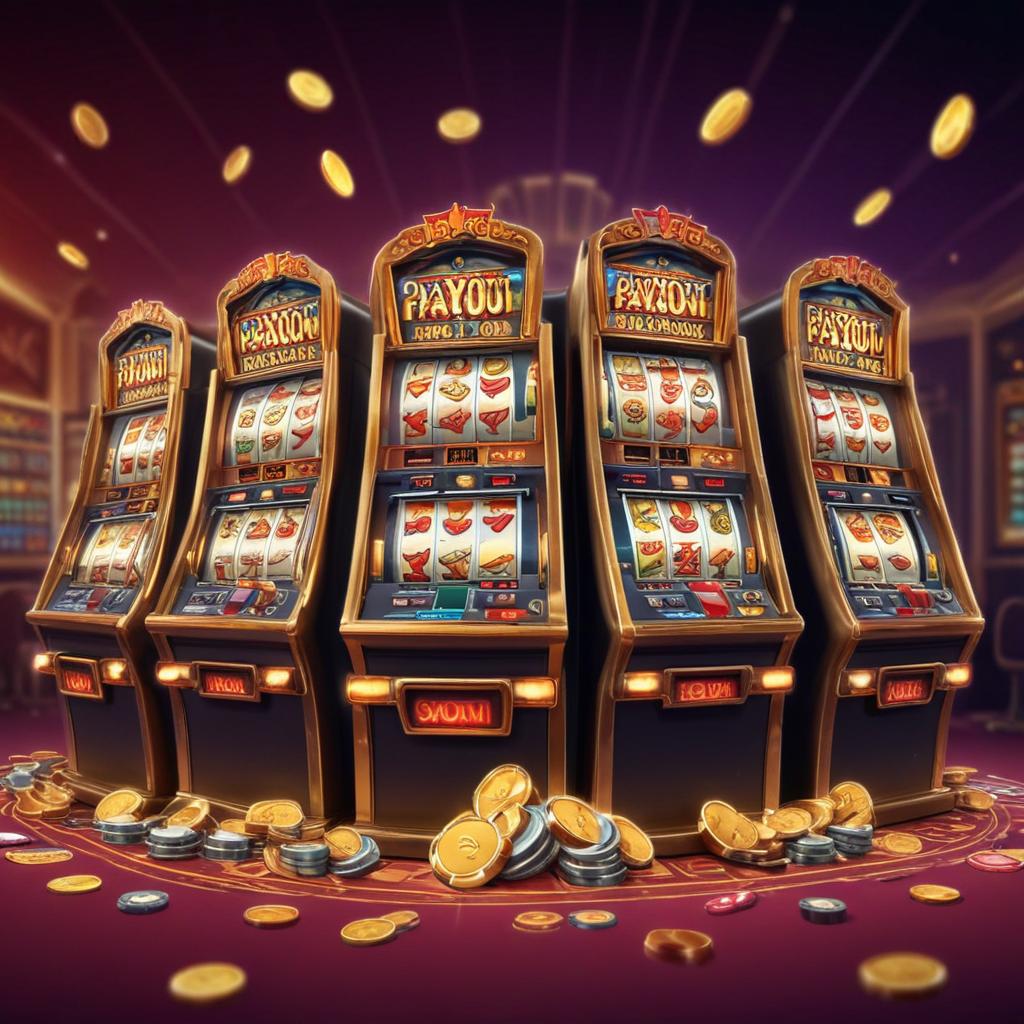
Understanding Payout Animation Sequences
Payout animation sequences are the collection of animated visual effects that showcase winnings or rewards in digital environments, particularly within games and online payout platforms. These animations connect the game mechanics to the player’s experience, providing instant feedback upon receiving a payout. In the realm of game design, payout animations are crucial as they boost engagement by transforming the winning moment into a more dynamic and visually appealing event.
Payout animations fundamentally aim to engage users and reinforce achievement by visually transitioning rewards like coins, points, or credits into the player’s balance. These animations can vary from basic coin drops or glimmers to intricate sequences that incorporate sound, movement, and visual signals. The smooth incorporation of these animations into the user interface enhances the overall experience, bringing an added dimension of thrill and expectation.
From the standpoint of user interface design, payout animation sequences are crucial as they offer clear and satisfying feedback. They visually represent the conclusion of a reward event, enabling users to monitor their progress and quickly grasp the value of their payout. This holds particular importance in digital payouts, where immediate responses are essential to keep players engaged and build their trust.
Within gaming settings, skillfully designed payout animations enhance the psychological aspects of reward systems. Such animations can evoke a sense of achievement and encourage continued play, amplifying the significance of victories. Game developers strategically employ animation sequences not just to commemorate wins but also to direct player focus and facilitate a seamless gameplay experience.
In summary, payout animation sequences serve a purpose beyond mere decoration; they are essential elements of interactive design that improve the interaction between the game and its players. By merging creativity with practical feedback, game developers utilize these animation sequences to create unforgettable and enjoyable payout experiences, which in turn boosts user satisfaction and engagement.
Definition and Components of Payout Animations
Payout animation sequences are developed with particular animation elements intended to provide distinct and captivating visual feedback. These components usually feature lively symbols or icons that shift and change to signify a payout or reward occurrence. Timing is essential in these animations; fluid, well-timed transitions improve the player’s experience, making the payout appear gratifying and important. The design of payout effects ranges from basic fades and flashes to more intricate bursts, sparkles, or bounce movements that highlight the payout amount or winning combination.
Animations are typically activated by game events like landing a winning combination or starting a bonus feature. After activation, the payout animation sequences commence right away, frequently enhanced by additional visual effects such as glowing, scaling, or color changes to highlight the reward. By integrating layering and sequencing of these elements, the animation remains visually attractive while not overwhelming the player.
In summary, the animated elements and payout visuals work together to deliver an engaging and fulfilling user experience. Through careful timing, appealing designs, and event-driven triggers, payout animations offer clear visual feedback that boosts player involvement and enjoyment in gaming settings.
Purpose and Importance in User Experience
Payout animation sequences are vital for improving the overall user experience (UX) by offering interactive feedback that confirms user actions instantly. This prompt visual response is key in UX design, as it gives users confidence that their input has been accurately captured, minimizing doubt and maintaining their interest.
Additionally, these animations create a sense of anticipation throughout the payout process. By visually enhancing the reveal of winnings or rewards, payout animations create they forge an emotional bond that amplifies excitement and gratification. This buildup of anticipation not only enriches the experience but also motivates users to engage longer and interact more with the platform.
User engagement is significantly shaped by how effective these animations are. Thoughtfully crafted payout animations transform straightforward reward notifications transform into engaging experiences that draw in attention and encourage ongoing involvement. This interactive feedback loop fosters a beneficial cycle in which users feel appreciated and are more likely to come back, ultimately enhancing both retention and loyalty.
To sum up, payout animations serve a purpose beyond mere decoration; they are essential tools in UX design that boost user engagement by offering clear feedback, fostering anticipation, and crafting engaging interactive experiences. Thoughtfully integrating these animations can greatly enhance users’ perceptions and enjoyment of digital platforms.
Impact of Payout Animation Sequences on User Behavior

Payout animation sequences are crucial in influencing user behavior in gaming and digital payout settings. These animations, typically crafted with bright visuals and lively movements, engage users by leveraging the principles of animation psychology. Grasping the impact of these sequences on user actions—such as retention, satisfaction, and spending habits—offers essential insights for developers and marketers looking to enhance user experience and achieve better business results.
One of the main effects of payout animations on user engagement is their capacity to draw users’ attention and evoke emotional reactions. When users see an attractive payout animation, it sparks feelings of joy and enthusiasm, strengthening their positive feelings towards the platform. This emotional connection not only boosts instant gratification but also motivates users to spend more time on the site, thereby increasing retention rates. The suspense created during the animation process amplifies the perceived worth of the reward, making the payout more unforgettable and significant.
Additionally, the psychology behind animation indicates that fluid, rhythmic sequences can induce a flow state in users, allowing them to become deeply engrossed and unaware of the passage of time. This level of immersion enhances satisfaction as users feel a stronger connection to the interactive experience. As a result, users who are engaged are more inclined to foster loyalty to the platform, coming back for continual interactions driven by the reliable thrill and familiarity of these animations.
Alongside retention and satisfaction, payout animation sequences have a direct impact on consumer spending habits. Users who encounter gratifying animations are likely to be more willing to make extra purchases or increase their bets, fueled by the positive feedback loop created during these moments. The captivating quality of payout animations can psychologically inspire users to pursue that rewarding sensation, gently promoting greater spending. This phenomenon is especially pronounced in gaming environments where the expectation of a visually stimulating payout initiates a dopamine-driven reward loop.
To fully realize these advantages, it is essential that animations are crafted with care—not merely extravagant or prolonged. Excessive or overly intricate payout animations may cause user fatigue or annoyance, which can diminish overall engagement. Striking a balance between the duration and complexity of animations helps keep users interested without overwhelming or frustrating them.
In summary, the sequences of payout animations play a crucial role in shaping user behavior by improving retention, increasing satisfaction, and promoting spending. By utilizing the principles of animation psychology and thoughtfully designing these sequences, platforms can develop more captivating and fulfilling experiences that inspire users to stay engaged and committed to their online activities.
Psychological Effects on Players or Users
Payout animation sequences are essential in shaping player psychology by engaging important psychological triggers. A major impact is the release of dopamine, a neurotransmitter linked to pleasure and reward. When players observe visually captivating animations after a win or reward, their brains receive a boost of dopamine, reinforcing positive emotions and excitement. This chemical reaction increases player motivation, driving them to keep playing as they aim to recreate the rewarding experience.
Moreover, these animations enhance the perceived worth of the reward. The lively sequences produce an illusion of a more substantial or important payout than what is actually received, thereby boosting satisfaction. This increased thrill is not solely related to the financial benefit but also to the emotional exhilaration that comes with the reward system. By leveraging this excitement, game developers can maintain player engagement and emotional commitment to the game setting.
Incorporating thoughtfully designed payout animations within reward systems utilizes key psychological concepts to influence player actions. This fosters a loop of expectation, reward, and repetition that enhances player loyalty and satisfaction. By grasping these psychological impacts, developers can create immersive interactions that keep players engaged and deliver unforgettable gaming experiences.
Influence on Retention and Repeat Engagement
Carefully crafted payout animations are vital for boosting user retention by providing players with a memorable and enjoyable experience. When users witness attractive and fluid payout sequences, it elicits a positive emotional reaction, strengthening their bond with the platform. This emotional involvement is key in encouraging players to come back, as they link the gratifying experience to the brand.
Successful engagement tactics should include payout animations as an essential element to keep interest and enthusiasm alive. Providing clear, lively, and satisfying feedback during wins or cashouts, these animations play a crucial role in sustaining player excitement. Consequently, this motivates users to spend more time and return, which directly influences overall retention rates.
Additionally, payout animations play a crucial role in establishing trust and dependability by visually validating the user’s achievements in an engaging way. This reinforcement helps players feel recognized and valued, cultivating a sense of loyalty. Platforms that prioritize high-quality animation sequences often enjoy a committed user base that regularly engages due to the enjoyable interaction and gratifying nature of the experience.
To sum up, incorporating thoughtfully designed payout animations serves as an effective method to enhance user retention and draw in returning players. These captivating visual features not only improve the gaming experience but also function as a discreet yet impactful component in overall engagement tactics aimed at encouraging users to return.
Best Practices for Designing Effective Payout Animation Sequences

Developing impactful payout animation sequences necessitates a careful strategy in animation design that improves user experience and fosters positive interaction. Implementing established animation design principles guarantees that payout animations serve a purpose beyond mere entertainment; they offer clear and encouraging feedback that underscores the results of the user’s actions.
Timing and pacing are essential above all else. The animation must be quick enough to engage the user, yet not so rapid that the outcomes are overlooked. Utilizing smooth easing functions and intuitive motion cues fosters a sense of enjoyment, ensuring that the rewards feel gratifying without leading to frustration or misunderstanding.
Next, think about the visual clarity of the animation. Incorporate contrasting colors and familiar icons that resonate with the payout theme. This visual feedback enables users to swiftly grasp what they have won or earned. Steer clear of overly intricate or busy animations, as they can distract or overwhelm, reducing the positive effect.
A further recommended approach is to integrate sound effects that complement animations in a subtle manner. Sound provides another dimension of feedback, enhancing the payout experience and making it more unforgettable. Nonetheless, it’s important to keep these sounds from being disruptive or overly repetitive, as that could diminish a smooth experience.
Personalization is essential for enhancing user satisfaction. Customizing animations according to user actions or success rates can create a distinct and gratifying experience. For instance, significant wins might initiate more intricate sequences, whereas minor payouts would employ simpler animations, ensuring feedback remains relevant and proportional.
Finally, it’s essential to evaluate animations in practical scenarios. Conducting user tests allows you to determine whether the timing, clarity, and emotional effect of the animation are effective. Making adjustments based on this feedback guarantees ongoing enhancement of the design, strengthening the bond between users and the platform.
Adhering to these recommended strategies—maintaining a balance of timing, clarity, audio, personalization, and testing—designers can develop payout animation sequences that significantly improve user feedback and increase overall satisfaction.
Balancing Visual Appeal and Performance
Enhancing payout animations to ensure they are visually striking while also performing well is essential for a captivating user experience. The challenge is to strike a harmony between vibrant, attractive effects and the fluidity of the animation, all without overloading system resources or introducing delays. To reach this equilibrium, developers need to concentrate on optimization strategies that maintain animations as lightweight and effective.
A useful strategy is to simplify animation sequences by decreasing the quantity of concurrent effects or frames. Opting for vector graphics or CSS animations in place of bulky raster images or intricate JavaScript animations can greatly enhance performance. Furthermore, utilizing hardware acceleration with CSS properties such as transform and opacity can facilitate smoother transitions that place less strain on the CPU.
An additional approach is to implement lazy loading for animation components when required, minimizing excess processing. Developers should also make use of timing and easing functions for animations that produce fluid movement without excessive effects, maintaining aesthetic charm while enhancing performance. Evaluating animations on various devices and platforms can assist in pinpointing issues and guaranteeing a uniformly enjoyable experience.
The primary objective is to design payout animations that engage users with their aesthetic charm while maintaining the application’s overall responsiveness. By carefully implementing optimization strategies, one can achieve a balance between impressive visuals and smooth animation performance.
Customization and User Preferences
Facilitating user personalization and honoring preferences in payout animation sequences are crucial tactics to improve satisfaction and involvement. By permitting users to modify aspects like animation speed, style, or frequency, a customized experience is created that meets personal preferences and accessibility requirements. For example, certain users might favor quicker, more understated animations to minimize distractions, whereas others might appreciate more intricate and lively sequences that heighten excitement.
Alongside manual adjustments, incorporating adaptive animations that react to user actions can greatly enhance the overall experience. By examining preferences over time, the system can automatically modify animations to align more closely with each user’s distinct interaction habits. This may involve lowering animation intensity for users who often turn off visual effects or increasing animation complexity for those who interact more with the content.
Blending these methods creates a versatile framework that enables users to tailor their experience, while the system smartly adapts to shifting preferences. These responsive animation techniques not only enhance user satisfaction but also foster longer engagement, leading to a more favorable view of the payout process.

I’ve been exploring casino games and betting strategies since I first tried a slot machine in a local arcade. I love breaking down game mechanics, hunting for the best bonuses, and sharing responsible gaming tips with our community.
