
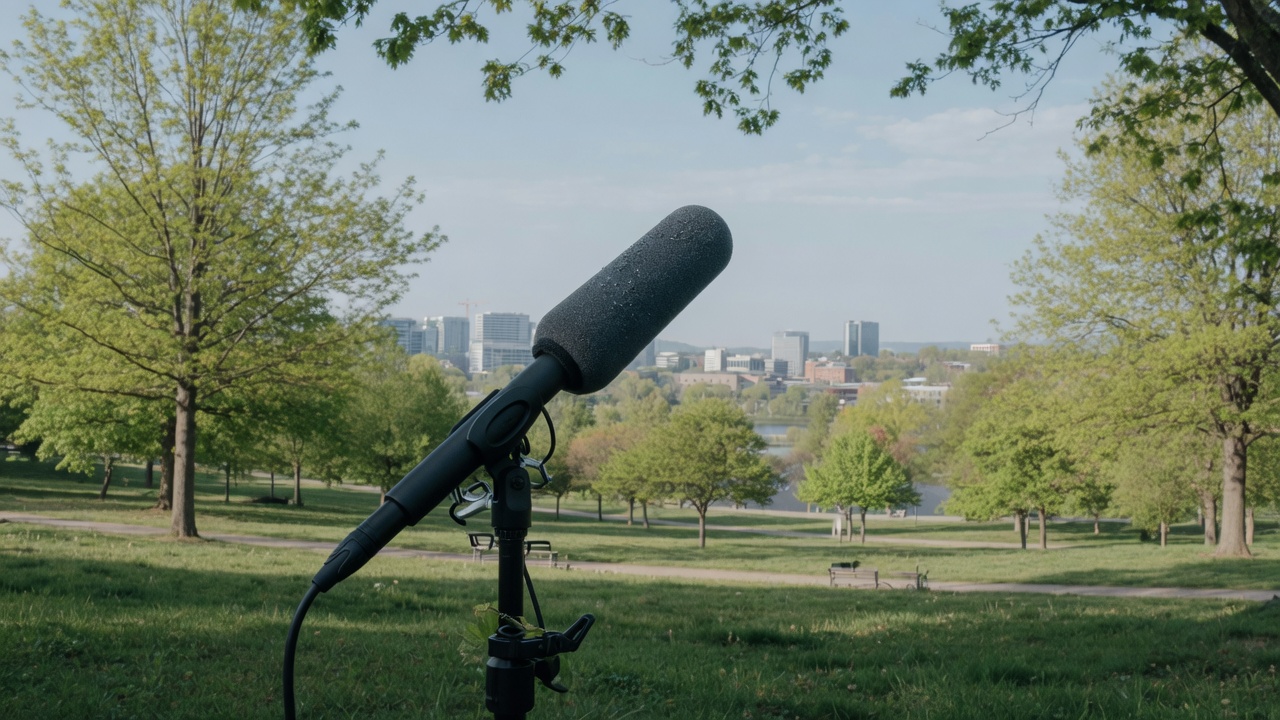
Understanding Background Ambient Noise
Background ambient noise refers to the continuous, often subtle sounds that form the auditory backdrop of an environment. These sounds are usually not the primary focus for listeners but create an important sensory context that influences the perception of space and atmosphere. Ambient noise can range from natural environmental sounds like the rustling of leaves or the flow of a river to human-made noises such as distant traffic, machinery hum, or chatter in a café. These sounds combine to form complex soundscapes that define the unique acoustic identity of various settings.
Characteristically, ambient noise is consistent and unobtrusive, providing a steady layer of sound that supports the main auditory events without overpowering them. This type of background sound is crucial for immersion, as it adds depth and realism to an environment, whether in real life, virtual reality, or media productions. The auditory texture it provides helps the brain to interpret space, time, and mood, contributing to a more complete sensory experience.
There are several types of ambient noise, each playing a distinct role in shaping soundscapes. Natural ambient noise includes environmental sounds such as birdsong, wind, rain, and ocean waves. These sounds often evoke feelings of calmness and connection to nature, enriching outdoor or nature-themed environments. Urban ambient noise, on the other hand, consists of sounds like distant sirens, footsteps, vehicle engines, and voices. This type of background sound encapsulates the dynamic and often busy atmosphere of city life, which can be stimulating or stressful depending on the context.
In indoor settings, ambient noise might include the hum of air conditioning, the rustle of papers, or muffled conversations, contributing to the sense of being in a lived-in, active space. Each of these ambient noises adds layers to the overall soundscape, influencing how a space feels emotionally and physically. Sound designers and architects often utilize ambient noise strategically to enhance environments, tailoring soundscapes that elevate immersion and sensory engagement.
Overall, ambient noise and background sound are essential elements in creating realistic and immersive environments. By integrating various environmental sounds thoughtfully, a rich and believable soundscape emerges, providing auditory cues that heighten spatial awareness and emotional connection. Whether natural or artificial, these soundscapes play a pivotal role in shaping human experience in diverse settings.
Types of Background Ambient Noise
Background ambient noise can be broadly categorized into several sound categories, each characterized by its unique sources and acoustic features. One of the most commonly appreciated types is natural sounds, which include elements like birdsong, rustling leaves, flowing water, and wind. These sounds originate from natural environments such as forests, rivers, and oceans, creating a soothing and often calming auditory atmosphere. Natural sounds are valued for their ability to promote relaxation and enhance immersion by connecting listeners to the outdoors.
Urban noise represents another significant category of ambient sound. This type encompasses the typical hustle and bustle of city life, including traffic sounds, construction work, distant sirens, and crowd chatter. These urban noises originate from human activity and infrastructure, often conveying a sense of vibrancy and movement. While sometimes considered intrusive or stressful, urban noise can also contribute to a realistic soundscape that enhances immersion in metropolitan settings.
Artificial or synthetic noise, including white noise and other engineered sound textures, forms the third key category. White noise consists of evenly distributed frequencies that mask other environmental sounds, commonly used to improve concentration or mask background distractions. Other artificial noises might include HVAC systems or electronic hums. These sounds, though man-made, can create a consistent auditory backdrop conducive to focus or sleep.
Understanding these diverse background ambient sound categories—natural sounds, urban noise, and artificial noise—enables designers and creators to use them strategically, tailoring immersive experiences to suit different environments and purposes.
Psychological Effects of Ambient Noise
Ambient noise plays a significant role in shaping human psychology, particularly in environments designed for immersion. The presence of background sound can influence concentration, either by enhancing focus or causing distraction, depending on its characteristics and the individual’s sensitivity. From a cognitive impact perspective, certain types of ambient noise, like white noise or natural sounds, may help mask disruptive noises and improve task performance by stabilizing the auditory environment.
Moreover, ambient noise greatly affects mood and emotional states. Calm and consistent background sounds can induce relaxation and reduce stress, which promotes deeper immersion in activities such as reading, gaming, or working. Conversely, erratic or loud noises can elevate anxiety and decrease the ability to maintain attention, negatively influencing overall cognitive function. This noise influence extends to emotional regulation, where ambient soundscapes can either soothe or agitate depending on their quality and volume.
Understanding these psychological effects is crucial for crafting immersive experiences, as the right ambient noise calibrates both mood and mental focus. By leveraging the natural impact of ambient sounds on psychology, creators can foster environments that support enhanced cognitive performance and emotional engagement, ultimately deepening immersion and improving the user’s overall experience.
The Role of Ambient Noise in Enhancing Immersion

Background ambient noise plays a crucial role in enhancing immersion across various mediums such as gaming, virtual reality (VR), and film. Immersion techniques that integrate carefully crafted ambient noise effects can significantly deepen the audience’s or user’s experience by making the environment feel more authentic and alive. This layer of sound enriches the sensory input, allowing individuals to connect more deeply with the virtual or cinematic world around them.
In gaming, ambient noise serves as a subtle but powerful tool to enhance the player’s sense of presence within the game world. Whether it’s the distant chirping of birds, the rustling of leaves, or the hum of a futuristic city, these background sounds contribute to setting the tone and atmosphere. Sound design that thoughtfully incorporates these elements supports the narrative and gameplay by creating cues for the player and making the environment believable. Without detailed ambient noise, the game may feel hollow or artificial, detracting from the overall immersion.
Virtual reality, as an inherently immersive medium, relies heavily on sound design to reinforce spatial awareness and emotional engagement. The three-dimensional placement of ambient sounds enhances realism by mimicking how we perceive sound in the real world. Carefully designed ambient noise effects in VR environments can guide users’ attention, indicate changes in scenery, or evoke emotional responses, intensifying the sensation of being truly present within the virtual space. Thus, the precision and authenticity of sound design are paramount in achieving high immersion.
Similarly, film soundtracks utilize ambient noise to build mood and support storytelling. Background sounds can signal changes in time or location, underscore tension, or provide subtle emotional cues without distracting dialogue or music. Effective sound design in film balances these ambient noises to enhance the viewer’s experience, contributing to a seamless and absorbing narrative flow.
Overall, the importance of careful sound design cannot be overstated when it comes to immersion. Ambient noise effects are not mere fillers but essential components that enhance realism and emotional depth. By thoughtfully integrating these sounds, creators across gaming, VR, and film harness the full potential of immersion techniques, ultimately delivering richer and more engaging experiences.
Ambient Noise in Gaming and Virtual Reality
- Creating Realism with Gaming Audio: In video games, ambient noise forms the foundation of believable worlds. Game sound design uses subtle environmental sounds like wind rustling through leaves, distant animal calls, or urban background chatter to replicate real-life settings. This layered soundscape enriches the virtual space, making it feel alive and continuous beyond player actions.
- Enhancing VR Immersion: VR immersion heavily relies on dynamic ambient noise that reacts to user movements and perspective. For instance, in VR nature explorations, binaural sound techniques place users at the center of an evolving soundscape, where the intensity and direction of sounds adjust naturally — reinforcing the illusion of presence.
- Examples of Effective Sound Implementation: Games like «The Last of Us Part II» and «Red Dead Redemption 2» showcase masterful use of ambient noise, integrating environmental cues seamlessly with gameplay to signal danger or guide exploration. Similarly, VR experiences such as «Half-Life: Alyx» use spatial audio to amplify atmospheric tension and engagement.
- Role of Soundscapes in Storytelling: Beyond background filler, soundscapes contribute to narrative by setting mood and tone, subtly influencing player emotions and decisions. Carefully crafted ambient layers can evoke solitude, tension, or tranquility, making the gaming or VR environment a key storytelling element.
- Technical Considerations in Game Sound Design: Developers employ audio middleware like FMOD or Wwise to manage ambient sound dynamically, ensuring smooth transitions and variation that prevents monotony. This adaptability enhances immersion by keeping the auditory environment fresh and contextually appropriate.
Ambient Noise in Film and Storytelling
Filmmakers and storytellers skillfully harness ambient noise as a vital element of film sound design to deepen narrative immersion. By weaving ambient layers into scenes, they create a sonic backdrop that enriches the visual storytelling and transports the audience into the story’s world. Rather than merely filling silence, ambient noise serves to evoke atmosphere and emotional resonance, subtly influencing how viewers perceive and connect with the unfolding narrative.
The strategic use of storytelling audio, such as natural sounds, environmental cues, or background chatter, helps to ground scenes in reality while subtly enhancing mood. This layered approach to sound design amplifies tension, tranquility, or mystery, depending on the desired emotional effect. Through these auditory textures, filmmakers evoke visceral reactions, making the audience feel present within the scene rather than passive observers.
Incorporating ambient noise allows for a more immersive experience because it mimics how people perceive the real world—through a rich tapestry of sounds that shape context and expectation. This technique not only supports visual elements but also strengthens the emotional engagement of viewers, allowing stories to resonate more deeply and memorably. Ultimately, the mastery of ambient noise in film and storytelling exemplifies how sophisticated sound design elevates narrative immersion to new heights.
Best Practices for Using Background Ambient Noise

Incorporating background ambient noise effectively requires careful sound mixing to enhance immersion without causing distraction. The key is achieving a delicate audio balance where the ambient sounds support the main audio elements rather than compete with them. Proper sound mixing ensures that ambient noise enriches the environment subtly, making the experience more realistic and engaging.
One essential tip for ambient noise usage is to adjust volume levels with precision. Ambient sounds should typically reside in the lower decibel range relative to dialogue or main sound effects. This prevents audio clutter and maintains clarity. Using equalization can also help by carving out specific frequency spaces for ambient noises, allowing important audio elements to stay prominent while the background creates depth.
Another best practice is to tailor ambient noise according to the media context. For example, in film or video games, environmental sounds like wind, distant chatter, or city hum provide spatial cues that improve immersion. However, in podcasts or dialogue-driven content, minimalistic or softer ambient noise works better to avoid listener fatigue and discomfort. Always consider how your audience interacts with the content to optimize audio settings accordingly.
Looping and variation are important aspects of audio optimization when using ambient sounds. Repetitive or monotone noise can quickly become irritating, breaking the immersive effect. Implementing subtle changes through sound layers or randomly timed loops helps create a natural and evolving soundscape that feels authentic without distracting the listener or viewer.
Lastly, testing your mix across different playback environments is crucial. Background ambient noise that sounds balanced on high-end headphones might overpower on mobile speakers or be too faint on larger sound systems. By testing and adjusting your mix for various devices, you ensure consistent audio quality and comfort for all users, maximizing immersion through thoughtful ambient noise usage.
Balancing Ambient Noise Levels
Achieving the right balance of ambient noise involves several key strategies that ensure sound levels and frequency spectra contribute positively to immersion without compromising audio clarity or listener comfort. Here are essential techniques to consider:
- Careful Sound Level Management: Adjust ambient noise volume to complement rather than overpower primary audio. Maintain subtlety to keep the listener immersed while preventing fatigue or distraction.
- Frequency Spectrum Shaping: Use equalization to carve out space for important sounds by reducing overlapping frequencies in ambient noise. This approach enhances audio balance and clarity across the mix.
- Dynamic Noise Control: Implement automation and sidechain compression to dynamically adjust ambient sound levels during key moments, ensuring they enhance rather than compete with dialogue or main audio elements.
- Layering and Texturing: Mix multiple layers of ambient noise with varied frequency content to create a rich, realistic soundscape that maintains listener interest and immersion.
- Consistent Monitoring: Regularly assess mixes on different playback systems to ensure noise control is effective and comfort levels are maintained universally.
- Use of Spatial Mixing Techniques: Apply panning and reverb to place ambient sounds appropriately within the sound field, helping to maintain a natural audio balance and depth.
By integrating these mixing techniques, sound designers can skillfully balance ambient noise levels to enrich immersive experiences while safeguarding audio clarity and ensuring listener comfort.
Avoiding Negative Effects of Ambient Noise
To prevent common issues such as noise distraction, audio fatigue, and annoyance in immersive experiences, it is essential to focus on listener comfort through thoughtful sound optimization. Poorly implemented ambient noise can overwhelm the listener, making it difficult to concentrate and diminishing the overall immersion. Ensuring that ambient sounds are balanced in volume and frequency helps minimize distraction, allowing users to remain engaged without being disrupted by unexpected or harsh noises.
One effective strategy is to tailor ambient noise levels dynamically, adapting to the user’s focus or changes in the environment. This approach helps reduce audio fatigue, which often results from prolonged exposure to repetitive or excessively loud sounds. Additionally, incorporating subtle variations in the ambient soundscape can keep the audio environment fresh and less monotonous, enhancing listener comfort and reducing irritation.
It is also critical to optimize the sound design by using high-quality audio samples and applying audio processing techniques to smooth transitions and prevent abrupt noises. Designers should regularly test their audio environments with real users to identify potential sources of distraction or discomfort. By prioritizing sound optimization and listener comfort, ambient noise can effectively contribute to immersion rather than detract from the experience.

I’ve been exploring casino games and betting strategies since I first tried a slot machine in a local arcade. I love breaking down game mechanics, hunting for the best bonuses, and sharing responsible gaming tips with our community.
