
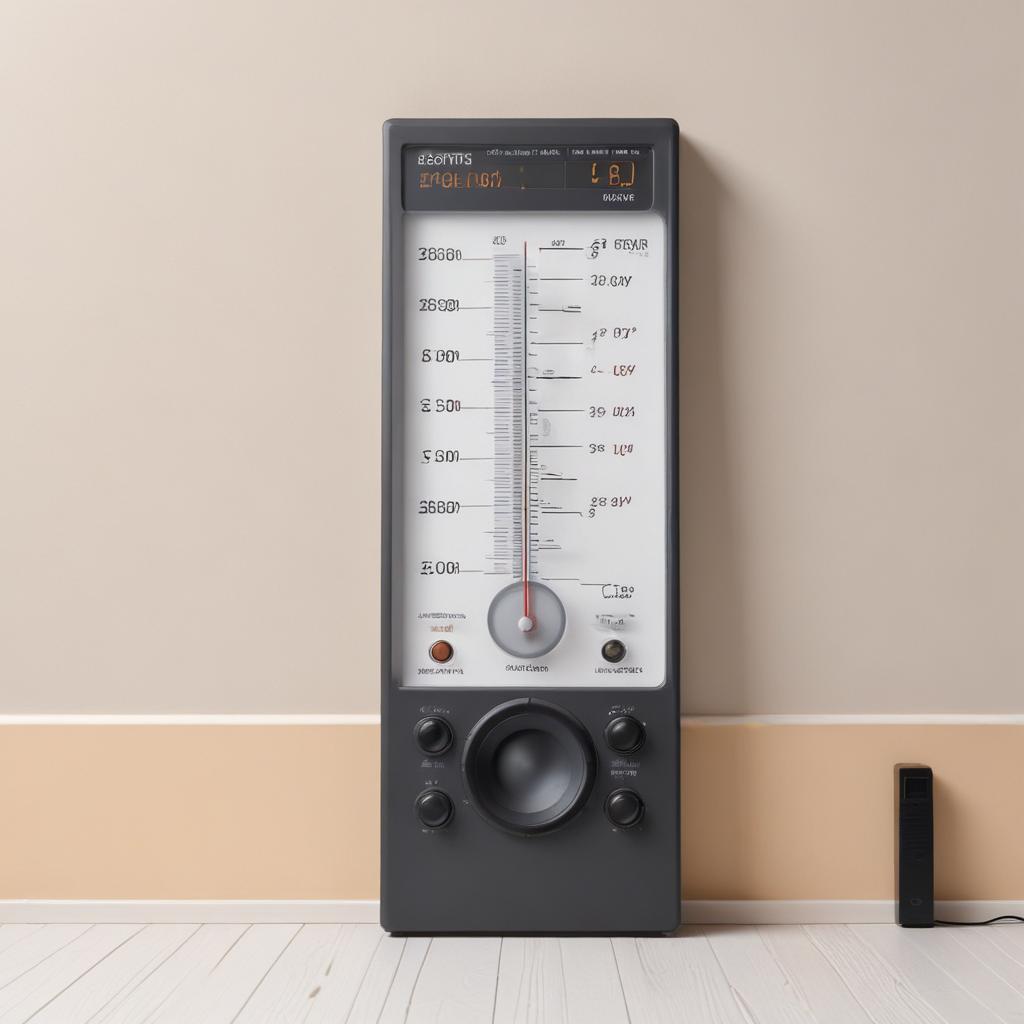
Understanding Sound Intensity and Its Measurement
Sound intensity refers to the power carried by sound waves per unit area in a direction perpendicular to that area. It essentially measures how much energy the sound waves transmit through a medium, such as air, to a given point. In simpler terms, sound intensity is the strength or loudness of a sound that can affect human perception and focus.
The measurement of sound intensity is commonly done using decibels (dB), which is a logarithmic unit. Decibels quantify sound intensity relative to a reference level, typically the threshold of human hearing, which is considered 0 dB. Because decibels use a logarithmic scale, an increase of 10 dB represents a tenfold increase in sound intensity, making it a useful way to express the wide range of acoustic levels encountered in everyday life.
Sound measurement involves instruments called sound level meters, which detect sound pressure and convert it into decibel readings. These readings help in assessing the acoustic environment in various settings, from quiet libraries to noisy construction sites. Understanding these measurements is crucial for controlling sound intensity to ensure environments conducive to concentration and well-being.
Different levels of sound intensity affect human focus differently. For example, very low-intensity sounds below 30 dB, such as a quiet whisper or rustling leaves, generally have minimal impact on concentration. Moderate levels ranging from 30 to 60 dB, like normal conversations or background music, can sometimes aid focus or create a comfortable ambiance. However, high-intensity sounds above 70 dB—such as heavy traffic, loud music, or machinery noise—often disrupt concentration and increase stress levels. Extremely loud sounds over 100 dB can cause hearing damage and significant distractions.
In summary, understanding sound intensity through the lens of decibels and sound measurement instruments allows us to evaluate acoustic levels effectively. This knowledge is essential for creating environments optimized for focus, productivity, and auditory health.
What is Sound Intensity?
Sound intensity is a fundamental concept in acoustics that refers to the power carried by sound waves per unit area in a direction perpendicular to that area. It essentially measures the strength or magnitude of a sound signal as it travels through a medium such as air, water, or solids. The definition of sound intensity helps us understand how energy in sound is transmitted and how it influences the environment around us.
Sound waves are vibrations that propagate through a medium by vibrating particles in the air or other materials. These vibrations carry energy, which is what our ears perceive as sound. The intensity of sound is directly related to the amount of energy transported by these sound waves in a given area. Higher sound intensity means more energy is being transferred, resulting in louder sounds, while lower sound intensity corresponds to quieter sounds.
The energy in sound waves can affect the environment in several ways, such as disturbing the tranquility of a place, impacting wildlife, or influencing human focus and concentration. Understanding sound intensity is crucial, especially in fields like audio engineering, environmental studies, and psychological research, as it allows for better control and management of sound levels to create comfortable and efficient living and working environments.
Measuring Sound Intensity: Decibels Explained
The decibel scale is a logarithmic unit used to measure sound intensity. Unlike a linear scale, the decibel scale compresses a wide range of sound pressures into manageable numbers. This means that an increase of 10 decibels (dB) represents a tenfold increase in sound intensity, making it easier to quantify how loud a sound truly is. The scale begins at 0 dB, which is the faintest sound the average human ear can detect, and goes upward to extraordinarily loud levels, such as a jet engine, which can reach 140 dB or more.
To accurately measure sound intensity, professionals rely on devices called sound level meters. These tools are equipped with microphones that capture ambient noise and convert it into electrical signals, which the meter then translates into decibel readings. Sound level meters can range from simple handheld devices used in classrooms and workplaces to sophisticated equipment utilized in industrial and environmental assessments. They provide precise measurements that help monitor noise pollution, ensure compliance with regulations, and optimize acoustic environments for better focus and comfort.
In different settings, whether a quiet office or a bustling construction site, the decibel scale and sound level meters work together to provide essential data. Understanding and measuring sound intensity through these tools is fundamental to managing noise levels and mitigating their impact on concentration and health.
The Relationship Between Sound Intensity and Focus
Sound intensity effects play a crucial role in shaping focus concentration and overall cognitive performance. During tasks that require attention, the level of ambient noise and the intensity of sound can either enhance or impair an individual’s ability to concentrate. Understanding the nuances of how different sound intensities impact focus is essential for optimizing work and learning environments.
At low to moderate sound intensities, background noise can sometimes serve as a beneficial stimulus, helping to mask distracting sounds and improve focus concentration. For example, soft white noise or gentle ambient sounds often create an environment conducive to sustained attention and cognitive engagement. This noise impact is particularly noticeable in otherwise silent settings where minor distractions might otherwise break concentration.
However, as sound intensity increases beyond moderate levels, the effects on cognitive performance tend to become increasingly negative. Loud sounds, especially those that are sudden or unpredictable, can significantly disrupt mental processes by dividing attention or triggering stress responses. High-intensity noise can overwhelm the brain’s capacity to filter irrelevant stimuli, leading to decreased focus and lower task efficiency.
The relationship between sound intensity and focus is not strictly linear. While very low noise levels might allow certain distracting sounds to be more perceptible, and very high noise levels can be overwhelming, there is a «sweet spot» of moderate sound intensity that might actually boost cognitive performance for some individuals. This optimal level varies between people and depends on the nature of the task being performed.
Moreover, the noise impact on focus concentration also depends on the listener’s tolerance and habituation to sound intensity. Regular exposure to certain sound levels can desensitize individuals, reducing the disruptive effects, whereas abrupt changes in sound intensity may pose greater challenges to maintaining attention. The context, behavioral responses, and sound quality all intertwine to affect how sound intensity influences mental focus.
In summary, managing sound intensity intelligently can significantly enhance or impair focus concentration and cognitive performance. For environments where sustained attention is crucial, moderating sound levels to avoid both extremes of silence and loud noise is key. By appreciating the complex effects of sound intensity, it is possible to create spaces that support optimal mental functioning and productivity.
How Low Sound Intensity Levels Can Enhance Focus
Low noise benefits are increasingly being recognized as a vital factor for enhancing cognitive focus and mental clarity. Ambient sound at a low intensity creates an optimal environment where the brain can concentrate without being overwhelmed or distracted by harsh or sudden noises. This subtle background noise can improve brain function by reducing stress and helping maintain a steady level of attention over extended periods.
Research shows that ambient sound in the form of gentle white noise or soft environmental sounds supports focus improvement by preventing the mind from wandering. Unlike complete silence, which can sometimes highlight distracting thoughts, low sound intensity acts as a buffer that softly anchors attention. This balance helps individuals stay engaged with tasks, boosting productivity and creative thinking.
Moreover, low sound levels contribute to mental clarity by creating a calming auditory atmosphere. This atmosphere reduces cognitive fatigue and promotes sustained mental effort. Professionals, students, and creatives alike can benefit from incorporating ambient sound into their workspaces to facilitate deeper concentration and minimize interruptions caused by louder or more erratic noises.
Negative Effects of High Sound Intensity on Concentration
Exposure to high sound intensity often results in loud noise distraction, which significantly hampers an individual’s ability to focus on tasks. When the brain is bombarded with loud and persistent sounds, it struggles to filter out irrelevant stimuli, leading to frequent interruptions and loss of mental clarity. This environmental stressor not only distracts but also elevates stress levels, as the body reacts to loud noise as a potential threat, triggering heightened alertness and anxiety.
Stress generated by loud noise can impair cognitive functions, including memory, attention span, and decision-making capabilities. The constant cognitive disruption caused by high sound intensity forces the brain to allocate resources toward managing stress rather than processing information effectively. As a result, concentration diminishes over time, and productivity suffers, particularly in environments such as workplaces or study areas where sustained focus is critical.
Moreover, prolonged exposure to elevated sound levels can lead to chronic stress conditions, which further impair neurological health and cognitive performance. The loud noise distraction initiates a cycle where increased stress reduces the brain’s capacity to concentrate, leading to more errors and decreased efficiency. Thus, managing sound intensity in environments requiring concentration is essential to maintaining mental well-being and optimizing cognitive capabilities.
Practical Applications and Tips for Managing Sound to Improve Focus
Effective sound management is essential for creating an environment that fosters concentration and maximizes productivity. By controlling the intensity and quality of ambient noise, individuals can significantly improve their ability to focus on tasks. Here are practical strategies and focus tips to help you optimize your environment through noise control.
First, identify the source and type of sounds that disrupt your concentration. Background noises such as conversations, traffic, or electronic devices can interfere with your focus. Consider using noise-cancelling headphones or earplugs to reduce unwanted sounds, allowing you to immerse yourself fully in your work. These tools provide a portable solution for managing sound intensity wherever you go.
Next, consider the use of white noise or ambient sound machines. These devices produce consistent, soothing sounds that mask disruptive noises and create a stable auditory environment. This approach helps prevent sudden auditory distractions and boosts concentration over extended periods. Experiment with sounds like rain, ocean waves, or gentle fan noise to discover what works best for you.
Sound management also involves arranging your physical space to minimize noise disruptions. Place your workspace away from high-traffic areas or noisy appliances. Use soft furnishings such as carpets, curtains, and cushions to absorb sound and reduce echo. These adjustments can significantly lower sound intensity and contribute to a quieter, more calming atmosphere.
Another valuable tip is to establish specific times for silence and focused work. Communicate with colleagues or family members about your need for a quiet environment during these periods. Implementing scheduled quiet times supports consistent noise control and reinforces habits that enhance focus.
Finally, leverage technology that adapts to your sound environment. Smart apps can monitor noise levels and notify you when sound intensity reaches distracting thresholds, allowing you to take prompt action. By combining these practical sound management techniques, you can effectively optimize your workspace to improve concentration and overall productivity.
Creating an Optimal Sound Environment for Work and Study
Setting up your workspace sound setup to foster concentration involves carefully balancing sound intensity. A quiet environment is essential for minimizing distractions and allowing your mind to focus deeply on tasks at hand. One effective approach is to reduce background noise by choosing a location away from loud or high-traffic areas. This can include using soundproofing tools like carpets, curtains, or acoustic panels to dampen sounds.
In situations where complete silence feels distracting or uncomfortable, moderate background noise can actually enhance focus. Consider adding gentle ambient sounds such as white noise, soft instrumental music, or nature sounds, which help mask disruptive noises without overpowering your concentration. Adjusting volume levels to a low or moderate intensity ensures these sounds remain unobtrusive.
Personal preferences vary, so experimenting with different sound intensities in your workspace sound setup will help find the optimal balance. Using noise-cancelling headphones can provide another layer of control, letting you create a personalized quiet environment regardless of external noise. Ultimately, consciously managing sound intensity and background noise in your study or work area can significantly improve your ability to maintain focus and productivity over extended periods.
Using Sound-Blocking Tools and Techniques
One of the most effective ways to manage disruptive sound intensity and improve focus is through the use of sound-blocking tools. Noise cancelling headphones are particularly popular for their ability to reduce ambient noise by using microphones and speakers to generate sound waves that cancel out external sounds. This technology is especially useful in noisy environments like open offices or busy public spaces, allowing individuals to concentrate better without increasing the volume of their music or audio content.
Another common and affordable tool for minimizing unwanted noise is earplugs. These are simple devices made from foam, silicone, or wax that physically block sound waves from entering the ear canal. Earplugs are portable, discreet, and do not require batteries or electronics, making them a practical choice for many people seeking to reduce sound intensity and maintain focus in noisy settings.
For a more permanent solution, soundproofing rooms or workspaces can drastically cut down on disruptive noise. Techniques such as installing thick curtains, using acoustic panels, sealing gaps around doors and windows, or adding carpets and rugs can absorb or block sound from entering the space. Soundproofing helps create a quieter environment that supports sustained concentration, especially in places where external noise is persistent and unavoidable.
By combining these methods—wearing noise cancelling headphones or earplugs and enhancing the physical soundproofing of a workspace—individuals can effectively control the sound intensity in their environment, significantly boosting their ability to focus and be productive.

I’ve been exploring casino games and betting strategies since I first tried a slot machine in a local arcade. I love breaking down game mechanics, hunting for the best bonuses, and sharing responsible gaming tips with our community.
