
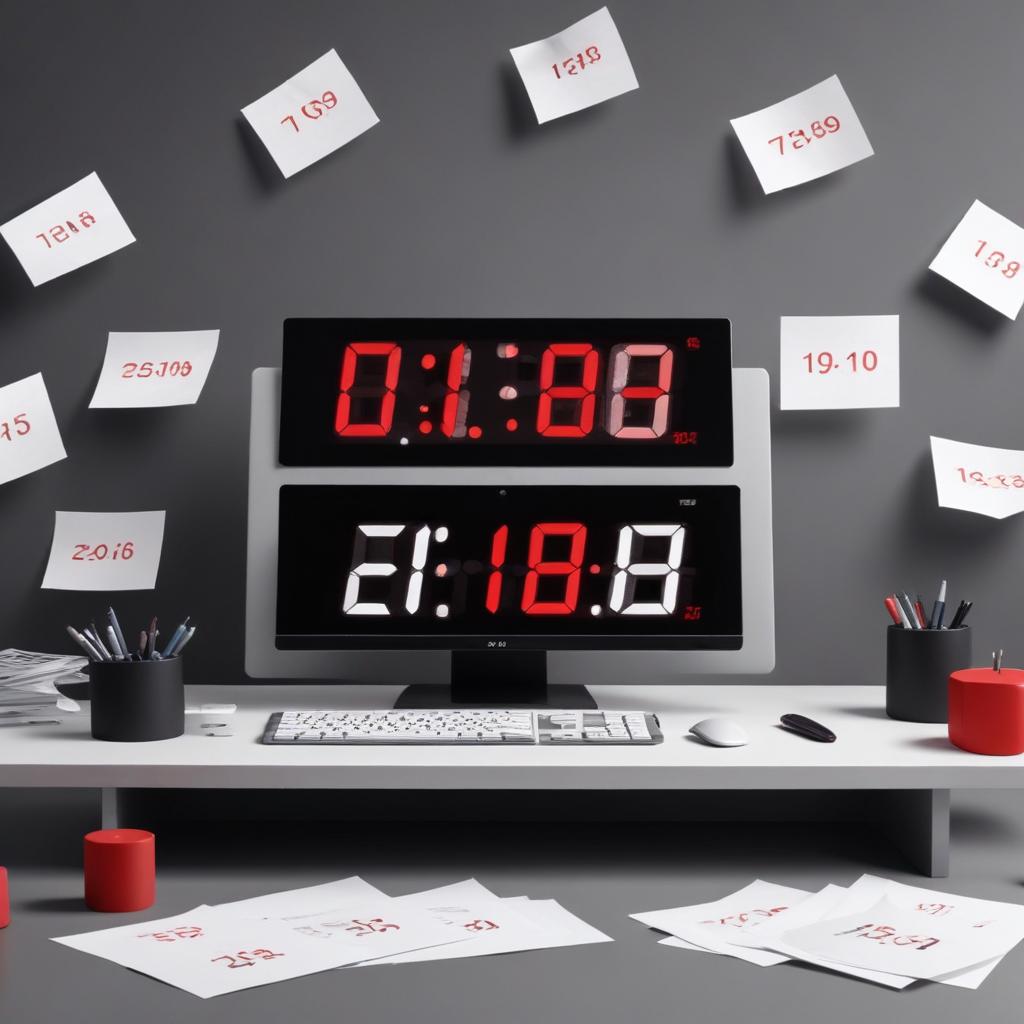
Psychological Effects of Countdown Timers
Countdown timers have a profound impact on human psychology, primarily by triggering a heightened sense of urgency and awareness of time limitation. This awareness affects how individuals perceive and respond to tasks or decisions, often increasing psychological pressure. When a countdown timer is present, it signals that there is a finite amount of time available, which naturally focuses attention and motivates quicker action.
The presence of countdown timers creates a continuous reminder that time is slipping away, which intensifies the psychological pressure experienced by individuals. This time awareness activates a stress response, as the brain interprets the diminishing time as a possible threat to completing a goal successfully. As a result, cognitive resources are redirected toward managing this pressure, often leading to increased heart rate, faster decision-making, and elevated stress hormones.
Psychological pressure caused by countdown timers can enhance performance in situations where speed is essential, but it can also produce detrimental effects such as anxiety and impaired judgment. The ticking clock compels individuals to prioritize speed over accuracy, which may result in rushed decisions. This stress response functions as a double-edged sword—while it can heighten alertness and motivation, it can also exhaust mental resources and reduce overall effectiveness if the pressure becomes overwhelming.
In marketing and behavioral contexts, countdown timers are widely used to capitalize on this psychological effect. By creating a visible limitation on time, they drive consumers to act quickly, thereby increasing engagement and conversion rates. The countdown timer’s impact on human psychology—manifested through urgency, time awareness, and stress response—is a powerful tool that influences decision-making behavior and increases pressure levels significantly.
Overall, countdown timers influence human psychology by embedding a sense of immediacy and temporal restriction. This increases the psychological pressure as individuals become acutely aware of the ticking clock, which amplifies stress and nudges people to act faster than they might without such stimuli. Understanding these psychological effects is crucial in designing effective countdown timers that balance urgency with a positive user experience.
Increased Sense of Urgency
Seeing a ticking countdown timer or a clearly defined limited time frame instantly creates a heightened sense of urgency in users. This visual cue taps into the psychological principle of deadline pressure, making individuals more aware of the finite amount of time they have to take action. The presence of a time constraint naturally compels users to move faster, often bypassing prolonged consideration or hesitation. It’s this rush created by the countdown that increases the likelihood of quicker decision-making.
The ticking nature of the countdown acts as a constant reminder that time is slipping away, which can trigger feelings of anxiety or excitement depending on the context. This urgency makes users feel that if they don’t act immediately, they risk missing out on an opportunity. In marketing, this technique is particularly powerful because it leverages users’ fear of loss — the thought of losing a deal or offer — which intensifies the urge to click a button or complete a purchase quickly.
Ultimately, incorporating countdown timers into a user experience serves as an effective strategy to amplify domain urgency. By visually signaling a deadline pressure, countdown timers impose a natural time constraint that shifts users’ mindset from passive browsing to active engagement. This increased sense of urgency increases conversions and drives faster user responses, making it a valuable tool in encouraging immediate action.
Stress and Anxiety Triggers
Countdown timers can significantly elevate stress triggers by amplifying the sense of urgency and impending deadlines. When individuals see time rapidly decreasing, it heightens their perception of risk and pressure to act quickly, which can trigger anxiety. This constant awareness of time slipping away creates a mental impact, often causing people to feel overwhelmed and rushed. The psychological strain caused by countdown timers is linked to an increase in cortisol levels, the hormone associated with stress, which further intensifies feelings of anxiety. As the timer ticks down, the pressure compounds, leading to mental fatigue and decreased ability to focus or think clearly.
Moreover, countdown timers serve as persistent reminders of limited time, making individuals more aware of deadlines that might otherwise feel manageable. This heightened sensitivity to deadlines can turn even simple tasks into sources of stress and anxiety. The mental impact of this phenomenon is significant, especially in high-stakes environments where decisions must be made quickly. By elevating the perceived risk of missing out or failing to complete something on time, countdown timers contribute to an atmosphere of urgency that triggers pressure and anxiety in many individuals.
Overall, the stress triggers instigated by countdown timers are rooted in their ability to visually represent the passage of finite time, forcing individuals to confront deadlines and perceived risks head-on. This pressure can lead to a cascade of negative emotions, ultimately impacting mental wellbeing and decision-making processes. Understanding how countdown timers affect anxiety and pressure is crucial for managing their use in both personal and professional settings.
Applications of Countdown Timers to Increase Pressure
Countdown timers are powerful tools used in various marketing tactics to strategically increase pressure and motivate consumers toward quicker decision-making. In today’s competitive e-commerce landscape, these timers play a crucial role in shaping user behavior by creating a sense of urgency that encourages faster conversions.
One of the most common applications of countdown timers is during flash sales or limited-time promotional events. By displaying a ticking clock that counts down the remaining time to grab a deal, marketers leverage the human tendency to avoid missing out, a psychological trigger known as FOMO (fear of missing out). This heightened urgency nudges visitors to act immediately, boosting conversion rates significantly.
Countdown timers are also frequently seen on product pages as part of time-sensitive discount offers or exclusive membership perks. In these scenarios, consumers perceive a limited window to obtain benefits, which can shift their behavior from leisurely browsing to swift purchasing. This tactic has been proven effective in decreasing cart abandonment rates and increasing average order values.
Beyond sales, countdown timers find applications in webinar registrations or event sign-ups where seats are limited or registration closes soon. The visible ticking clock adds pressure, prompting users to finalize their decisions before it’s too late. Consequently, this approach can amplify user engagement and significantly improve registration conversion rates.
In subscription-based e-commerce models, countdown timers can highlight trial periods or special introductory offers ending soon. This framed urgency encourages users to commit to subscriptions faster rather than procrastinate and possibly forget. It’s an effective way to turn potential leads into paying customers by strategically manipulating the perception of limited availability.
Overall, the strategic placement of countdown timers capitalizes on behavioral psychology principles to influence user behavior and drive business outcomes. By embedding these timers in key touchpoints across e-commerce platforms and marketing campaigns, brands can successfully escalate the perceived value of their offers and catalyze quicker decision-making, ultimately enhancing conversion rates and maximizing revenue.
E-commerce and Flash Sales
Online stores frequently leverage countdown timers during flash sales to create a sense of urgency that drives impulse purchases. These timers visually display the limited time remaining for certain offers, amplifying shopping pressure by reminding customers that the deal won’t last forever. This psychological trigger encourages shoppers to make faster buying decisions, reducing the time available for second-guessing or comparison with competitors.
Flash sales, characterized by significant discounts available only for a short window, are strategically paired with countdown timers to maximize their impact. The visible countdown elevates the perceived scarcity, making the limited offers feel more exclusive and valuable. As the timer ticks down, consumers feel a growing pressure to act quickly before the opportunity expires, often leading to increased conversion rates and higher revenue for e-commerce businesses.
This technique is a powerful tool in conversion optimization, aligning time pressure with the shopping experience to stimulate impulsive behavior. By combining attractive pricing with a clear deadline, countdown timers transform hesitant browsers into decisive buyers. As a result, flash sales become an effective strategy for clearing inventory, boosting short-term sales, and fostering a dynamic shopping environment fueled by urgency and excitement.
Examination and Testing Environments
Countdown timers are a common feature in timed exams, where they serve as a constant reminder of the limited time test-takers have to complete their assessments. While these timers help maintain the integrity and structure of testing environments, they also generate significant performance pressure. The visual presence of a ticking clock can increase test anxiety, causing students to rush through questions or second-guess their answers instead of calmly applying their knowledge.
For many test-takers, the pressure induced by countdown timers exacerbates feelings of stress, which can negatively impact cognitive functions such as memory recall and problem-solving skills. The awareness that time is running out often leads to decreased concentration and heightened nervousness, which undermines overall exam performance. This is especially true for students who already struggle with test anxiety, as the timer magnifies their sense of urgency and fear of failure.
However, countdown timers also play a pivotal role in preparing individuals for real-world scenarios where time management is critical. Despite the added pressure, timed exams simulate high-stakes environments, encouraging test-takers to develop strategies for working efficiently under stress. Ultimately, while countdown timers increase performance pressure and anxiety during exams, they also foster essential skills for managing deadlines and stressful situations beyond the classroom.
Best Practices and Considerations When Using Countdown Timers
Countdown timers are powerful tools that can enhance user experience by creating a sense of urgency and encouraging timely actions. However, their implementation requires careful consideration to avoid causing excessive pressure or discomfort to users. Adopting best practices ensures that countdown timers contribute positively rather than detract from the overall experience.
First and foremost, ethical use is crucial. Countdown timers should never manipulate users into making rushed decisions that might lead to regret or dissatisfaction. Transparency about what the timer represents, such as a limited-time offer or session expiry, helps maintain trust. Clearly communicating the reason for the timer supports user confidence and reduces uncertainty.
Design tips play an essential role in managing the perceived pressure. Visual clarity and subtle animation can make timers engaging without overwhelming users. Avoid overly aggressive colors like bright red combined with flashing effects, as these can heighten stress levels. Instead, use calming colors and a smooth countdown animation to gently guide users through the process.
Another key guideline is giving users control. Allowing options to pause or extend the timer can reduce anxiety and improve satisfaction. For instance, when a timer is connected to filling out forms or completing purchases, providing reminders or countdown warnings in advance encourages users to plan their actions rather than feel trapped by time constraints.
Pressure management should always balance urgency with user comfort. Overuse or misuse of countdown timers can lead to frustration and abandonment. It is advisable to tailor the timer’s duration and prominence according to the action’s importance and complexity. Longer timers work better for decisions requiring careful thought, while shorter timers suit quick confirmations.
Finally, consistently testing and gathering user feedback on timer implementation helps optimize its impact on user experience. Monitoring metrics such as conversion rates and bounce rates alongside direct user comments can illuminate whether the timers enhance motivation or induce negative stress. Regular iteration based on insights ensures countdown timers serve as effective, user-friendly tools.
By following these best practices—emphasizing ethical use, thoughtful design, user control, and pressure management—websites can utilize countdown timers to boost engagement without compromising user well-being. When done right, countdown timers enrich the experience, driving action while respecting and supporting the user’s journey.
Balancing Urgency and User Comfort
Creating urgency with countdown timers is a powerful strategy for encouraging users to take action quickly. However, it is essential to strike the right urgency balance to ensure that this pressure does not compromise user comfort. When timers are too aggressive or relentless, they can induce stress rather than motivate, which may lead to a negative user experience and even abandonment. To maintain a positive experience, it’s important to design countdown timers that communicate urgency clearly but also provide reassurance and control to users.
One effective way to reduce stress while maintaining urgency is to use friendly and transparent messaging around the timer. Explaining the reason for the countdown can help users understand the importance without feeling overwhelmed. Additionally, offering subtle visual cues such as gentle color changes or animations allows the urgency to be felt without triggering anxiety. It’s crucial to avoid timers that restart aggressively or seem manipulative, as these tactics undermine user trust and comfort.
Moreover, balancing urgency involves testing different time frames and formats to find what resonates best with your audience. For instance, shorter timers may work well for flash sales but can be stressful in more complex decision-making scenarios. Providing options such as reminders or the ability to pause can also support stress reduction. Ultimately, user comfort should never be sacrificed for urgency; a well-balanced countdown timer enhances decision-making and builds positive engagement by fostering a sense of respectful pressure rather than undue stress.
Transparent Communication
Transparency and honesty are fundamental when presenting time-limited offers. Customers should be able to trust that the deadlines displayed are genuine and not arbitrary or misleading. Countdown timers play a crucial role in this by visually emphasizing the urgency of the offer. However, if these timers do not accurately reflect real deadlines, it can damage customer trust and harm the brand’s reputation.
To build and maintain customer trust, businesses must ensure that countdown timers clearly represent the exact remaining time for the offer. Hidden extensions, reset timers, or deceptive time frames can lead to frustration and skepticism among customers. Instead, transparency in communication means being upfront about the offer duration and any conditions that might affect it.
Honesty about time constraints also enhances the perceived value of the offer. Customers are more likely to take immediate action when they understand the urgency is real and that the timer reflects a true deadline. This clarity supports informed decision-making, reducing buyer’s remorse and increasing satisfaction.
In conclusion, ensuring timer clarity through transparent communication not only fosters customer trust but also strengthens brand integrity. True urgency drives engagement, but only when it is communicated honestly and without manipulation.

I’ve been exploring casino games and betting strategies since I first tried a slot machine in a local arcade. I love breaking down game mechanics, hunting for the best bonuses, and sharing responsible gaming tips with our community.
