
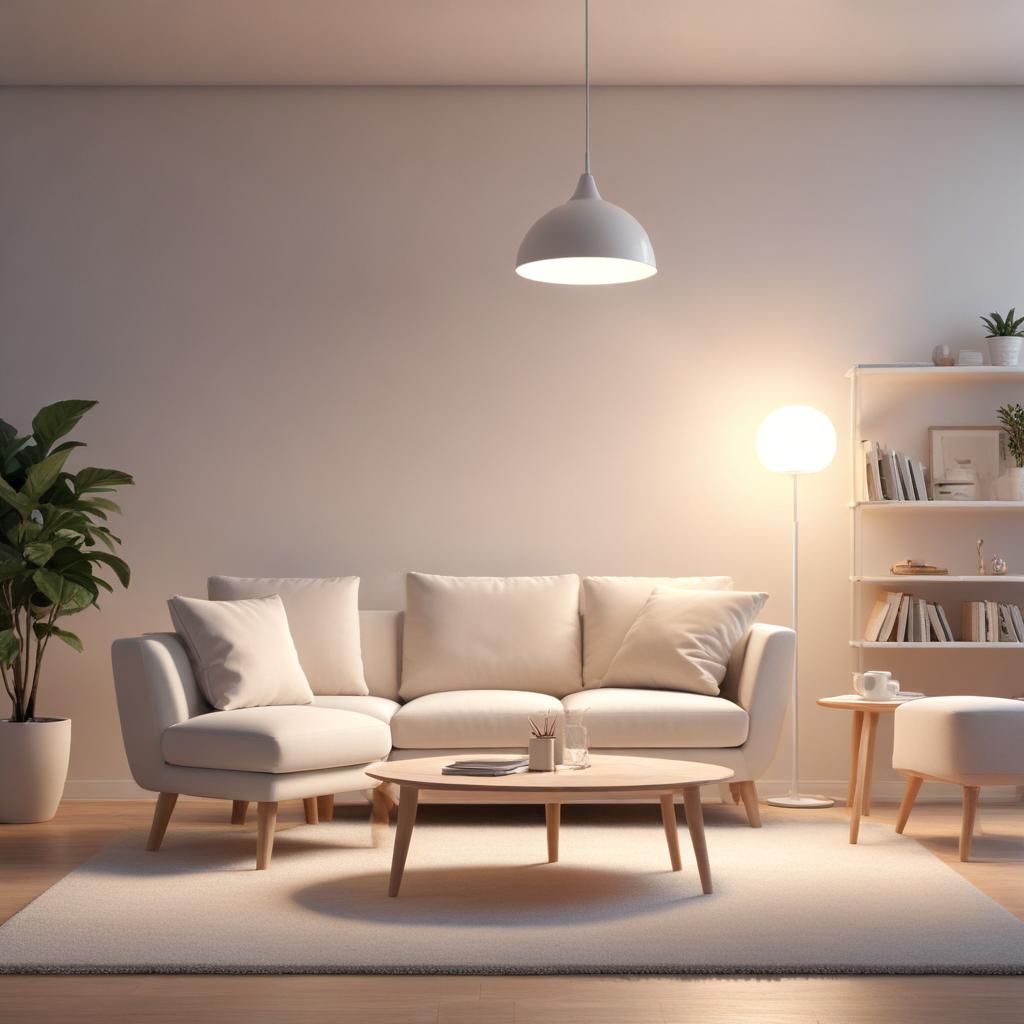
Understanding Virtual Lighting and Its Importance
Virtual lighting refers to the simulation and implementation of lighting effects within digital environments using advanced lighting technology. This technology mimics real-world illumination by applying digital illumination techniques to create realistic, immersive, and aesthetically pleasing visual effects. The importance of lighting in these virtual spaces cannot be overstated because it directly affects how environments and objects are perceived by users, enhancing the overall experience and emotional connection.
There are various types of virtual lighting used across different digital platforms. Key categories include ambient lighting, which provides a base level of light to simulate natural surroundings; directional lighting, often used to emulate sunlight or a focused light source; point lighting, which functions like a light bulb radiating in all directions; and spot lighting, which produces a focused beam of light similar to a flashlight or stage spotlight. Each type serves a unique purpose, contributing to the depth, shadow, contrast, and mood within the scene.
The growing role of virtual lighting is particularly evident in industries such as gaming, virtual reality (VR), and digital design. In gaming, realistic lighting enhances gameplay immersion, guiding players’ attention and creating atmosphere, whether it’s a tense horror scene or a vibrant fantasy world. In VR, effective virtual lighting is crucial as it helps establish a convincing sense of presence, making virtual spaces feel tangible and believable. Digital design, including 3D modeling and animation, relies heavily on lighting technology to showcase textures, materials, and spatial relationships accurately.
Advancements in virtual lighting technology continue to push the boundaries of what is possible, allowing creators to experiment with dynamic lighting effects, realistic shadows, and even lighting that responds to user interaction in real time. The importance of lighting in digital spaces goes beyond mere decoration; it influences mood, guides user experience, and supports storytelling, making it a fundamental aspect of modern digital environments.
Types of Virtual Lighting Techniques
Virtual lighting techniques are essential in creating realistic and immersive 3D environments. One of the most advanced methods is ray tracing. This technique simulates the physical behavior of light by tracing rays as they bounce off surfaces, resulting in highly accurate reflections, shadows, and refractions. Ray tracing enhances visual realism, making scenes appear more natural and dynamic.
Another important technique is global illumination, which calculates how light is transferred between surfaces in a scene. Unlike direct lighting, global illumination includes indirect light that bounces off other objects, producing soft shadows and subtle color blending. This method greatly contributes to a more lifelike ambiance in virtual environments.
Ambient occlusion is a shading method that emphasizes the small shadows formed in corners and crevices where light is occluded. While it is a simpler technique compared to ray tracing, it adds depth and realism by enhancing contrast in these areas. Ambient occlusion gives virtual scenes an added sense of spatial definition without heavy computational costs.
Additionally, ambient lighting simulates indirect light that fills the entire scene, providing base illumination that affects all objects uniformly. It sets the overall mood and tone, ensuring that no area is left completely dark. When combined, these lighting techniques create a rich visual experience that fully leverages the capabilities of modern 3D rendering.
The Role of Virtual Lighting in Digital Media
Virtual lighting plays a crucial role in shaping the aesthetic and emotional impact of digital media lighting across various platforms. In films, lighting design is used to guide the viewer’s attention, create mood, and enhance storytelling by simulating real-world light behavior or creating artistic effects that serve the narrative. Directors and cinematographers manipulate virtual lighting to emphasize drama, tension, or tranquility, often relying on subtle shifts in brightness and color temperature to evoke specific emotions.
In video games, virtual lighting enhances immersion by dynamically responding to game environments and player actions. Lighting design helps delineate space, indicate interactive elements, and set the atmosphere of virtual worlds, from eerie dungeons to sunlit landscapes. Advanced virtual environments use real-time lighting calculations to simulate natural light sources such as the sun, torches, or neon signs, contributing to the realism and depth of gameplay experiences.
Virtual reality (VR) environments rely heavily on precise lighting design to maintain user immersion and comfort. Effective virtual lighting ensures that shadows, reflections, and highlights respond authentically as users move and interact within the space. This realism not only supports the believability of the virtual environment but also influences the mood, making experiences more engaging and emotionally captivating. Across all these contexts, the strategic application of virtual lighting demonstrates its power to transform digital media into compelling, mood-rich experiences.
How Virtual Lighting Influences Human Mood and Emotions
Virtual lighting plays a significant role in shaping mood effects within digital environments, profoundly influencing the emotional response of users. Lighting psychology reveals that colors, brightness, and shadows are critical components in how we perceive and emotionally engage with virtual spaces. Through intentional light design, developers and designers can evoke specific feelings that enhance immersion and user experience.
Color is a powerful tool in virtual environments mood regulation. Warm hues like reds, oranges, and yellows tend to evoke feelings of warmth, comfort, and excitement, promoting positive emotional states. Conversely, cool colors such as blues and greens often induce calmness, relaxation, and introspection. Carefully selecting color palettes for virtual lighting can thus alter users’ psychological responses, either energizing or soothing them depending on the intent.
Brightness levels also dramatically affect mood effects. High brightness can energize and uplift, simulating daylight and stimulating alertness. On the other hand, dim lighting creates a more intimate and cozy atmosphere, encouraging relaxation and sometimes even melancholy. In virtual environments, modulating brightness accurately can steer emotional engagement, guiding users’ feelings from invigoration to contemplation.
Shadows introduce depth and realism, further impacting emotional response by influencing perceptions of safety and mystery. Soft shadows often create a reassuring environment, while stark, contrasting shadows can evoke tension or suspense. This interplay can be utilized strategically in virtual spaces to heighten emotional immersion, supporting narrative or thematic goals effectively.
Ultimately, understanding lighting psychology and applying it thoughtfully in virtual environments mood design enables creators to craft experiences that resonate emotionally with users. From enhancing comfort to inducing excitement or calm, virtual lighting is a pivotal element in shaping how we emotionally connect with digital worlds.
Color Psychology in Virtual Lighting
Color psychology plays a crucial role in how lighting colors influence mood lighting within virtual environments. Different hues can evoke distinct emotional impacts, shaping users’ experiences and behaviors. For example, warm colors such as reds and oranges often stimulate feelings of excitement and energy, making them ideal for virtual spaces meant to inspire creativity or social interaction. In contrast, cooler tones like blues and greens are typically associated with calmness and relaxation, promoting a sense of tranquility and focus.
Using lighting colors strategically allows designers to craft mood lighting that aligns with the intended atmosphere of the virtual environment. Soft pastel shades can invoke a gentle, comforting ambiance, while bold, saturated colors might create a more dynamic and vibrant setting. The emotional impact of these lighting colors extends beyond aesthetics, influencing how users emotionally connect with digital spaces and enhancing their overall virtual experience.
Understanding the psychological effects of color in virtual lighting not only enriches user engagement but also helps in designing environments that cater to specific emotional needs. Whether the goal is to uplift, soothe, or energize users, the careful selection of lighting colors tailored to the desired mood lighting ensures a powerful emotional impact that resonates deeply within virtual settings.
Brightness and Contrast Effects on Mood
Variations in brightness and contrast lighting play a significant role in shaping virtual lighting mood and influencing emotional responses. Brightness effects in virtual environments can modulate feelings ranging from calmness to heightened alertness. For instance, lower lighting intensity with gentle brightness tends to create a soothing atmosphere, promoting relaxation and reducing stress. This effect is particularly beneficial in virtual settings designed for meditation, rest, or casual interaction.
Conversely, increased brightness and sharp contrast lighting often stimulate alertness and mental focus. High-intensity lighting in virtual spaces can enhance concentration and energy levels, making it suitable for work-related or educational applications. However, if the contrast and brightness are too extreme, it may lead to discomfort or anxiety, as overly harsh lighting can overwhelm the senses.
The interplay between brightness effects and contrast lighting thus requires careful calibration to balance mood outcomes. Subtle contrast differences paired with moderate lighting intensity can maintain a harmonious virtual environment, helping users feel engaged yet calm. Understanding these dynamics allows virtual lighting designs to support desired emotional states, optimize user experience, and foster well-being across various digital scenarios.
Practical Applications and Future Trends of Virtual Lighting in Mood Design
Virtual lighting has become a powerful tool in emotional design, transforming how users experience digital products. In current practical applications, virtual lighting enhances mood by creating immersive environments that respond dynamically to user interactions. For example, mobile apps and games use subtle lighting shifts to evoke calmness, excitement, or suspense, tailoring the experience to the user’s emotional state. Websites increasingly implement ambient lighting effects that adjust brightness and color tone to reflect time of day or user preferences, fostering a comfortable and engaging atmosphere.
In user interface design, virtual lighting is employed to highlight essential elements and guide attention naturally, improving usability while also influencing the emotional tone. Retail and e-commerce platforms leverage this by using warm lighting hues to stimulate feelings of trust and security during online shopping. Meanwhile, wellness apps utilize cool, soft lighting to promote relaxation and mindfulness, showing the broad versatility of virtual lighting applications in mood design.
Looking ahead, future trends in virtual lighting suggest even more personalized and adaptive emotional design experiences. Advances in artificial intelligence and machine learning will enable systems to better interpret user mood through biometric data and behavioral cues, adjusting virtual lighting in real time for enhanced emotional resonance. Augmented reality (AR) and virtual reality (VR) environments are poised to push boundaries further, offering fully immersive settings where lighting is a primary tool for mood creation and narrative development.
Furthermore, the integration of virtual lighting with smart home devices will extend mood design beyond screens, allowing users to synchronize their physical surroundings with digital content seamlessly. This holistic approach promises a future where mood design is a continuous, adaptive experience, intricately woven into our everyday environments. As technology evolves, virtual lighting applications will become more sophisticated, pushing the limits of how emotional design can influence human experience across digital and physical realms.
Virtual Lighting in Therapeutic and Wellness Applications
Virtual lighting is increasingly being integrated into therapeutic lighting solutions to enhance mental health and well-being. By simulating natural light patterns and colors, virtual therapy environments leverage wellness technology to create calming and mood-enhancing atmospheres tailored to individual needs. These controlled lighting scenarios can influence the body’s circadian rhythms, improving sleep quality and reducing symptoms of depression and anxiety.
In therapeutic contexts, virtual lighting offers an innovative approach for mood enhancement, helping patients relax and recover in a controlled setting. Whether used in mental health clinics, rehabilitation centers, or home care, virtual lighting allows practitioners to customize lighting conditions that promote tranquility and emotional balance. This form of wellness technology supports exposure therapy for conditions like seasonal affective disorder (SAD) and stress relief therapy by mimicking natural light cues without the constraints of actual environmental factors.
Overall, virtual lighting stands as a promising development in the intersection of technology and therapy. By harnessing the restorative power of light virtually, wellness technology applications are enabling more accessible and effective virtual therapy options. This emerging field highlights how carefully designed lighting can be a powerful tool to support mental health and elevate mood through non-invasive, adaptable means.
Emerging Technologies Shaping Virtual Lighting
Emerging technologies in virtual lighting are revolutionizing how mood is influenced within digital environments. Among the most significant advancements are AI-driven lighting systems and adaptive lighting technologies that personalize the virtual ambiance to match or enhance an individual’s emotional state. AI lighting integrates machine learning algorithms to analyze user behavior, environmental context, and even biometric data, allowing it to dynamically adjust light intensity, color, and temperature in real-time. This personalization transforms virtual spaces into immersive experiences that evoke specific moods, such as calmness, alertness, or creativity.
Adaptive lighting further pushes the boundaries by continuously responding to changes in user interaction and environmental factors. This technology can seamlessly shift lighting conditions based on time of day, activity levels, or even heart rate, creating an environment that subtly supports mental well-being and productivity. Together, AI and adaptive lighting represent the future lighting tech that is smart, intuitive, and deeply integrated with personal and contextual cues.
As these emerging technologies continue to develop, their ability to craft tailored virtual lighting experiences will become increasingly sophisticated. This evolution not only enhances mood regulation through virtual spaces but also opens up new possibilities in therapy, entertainment, and remote collaboration. By personalizing light in real-time, AI lighting and adaptive lighting systems are setting the standard for future lighting tech, enhancing the emotional connection between humans and their digital environments.

I’ve been exploring casino games and betting strategies since I first tried a slot machine in a local arcade. I love breaking down game mechanics, hunting for the best bonuses, and sharing responsible gaming tips with our community.
