

As gaming tech progressed, mini‑games grew in both significance and complexity. What began as simple diversions turned into vital components that could function independently or enhance a game’s core narrative. By the 1990s and early 2000s, they appeared throughout RPGs, platformers and adventure titles, offering fresh ways to involve players and broaden gameplay. That period also saw the rise of mini‑game collections that showcased the charm of short‑form play.
Today’s mini-games are key elements across many genres, featuring advanced graphics, narrative depth, and interactive mechanics. No longer just add‑ons, they serve as compelling, standalone experiences available on mobile devices, social networks, and major gaming franchises. Their enduring appeal and ongoing upgrades highlight the pivotal role mini‑games play in gaming history and their continual growth as vital parts of player engagement worldwide.
Current Market Trends Influencing Mini-Games
The gaming sector has seen a significant shift recently, spurred by shifting market dynamics that increase demand for more immersive and user‑friendly experiences. Mini‑games have risen in popularity because they suit fast‑paced lifestyles, delivering brief, satisfying play sessions that easily slip into the hectic routines of today’s users. This movement signals a wider shift toward casual gaming, where players look for fun activities that can be started and stopped at will, without the need for long‑term commitment or steep learning curves.
Technological progress has played a key role in speeding up this movement. Widespread smartphone use and faster mobile internet have opened gaming to a global audience, letting developers deliver mini‑games suited to many platforms. Moreover, advances in cloud gaming and instant‑play services have lowered the entry threshold, so players can dive into mini‑games without heavy installations or expensive equipment. This greater accessibility has significantly grown the mini‑game market.
Additionally, embedding social elements and sharing functions in mini‑games opens the door to viral spread, building player communities and increasing excitement. Incorporating in-game rewards and gamification mechanics promotes ongoing interaction, further raising their attractiveness. Given these market shifts, developers have adjusted game design and monetization approaches to improve user retention and drive revenue growth in the mini‑games sector.
Ultimately, the surge in popularity for mini-games within the gaming landscape is fueled by shifting consumer preferences, technological strides, and creative market tactics.
Key Factors Driving Mini-Games Popularity
The immense popularity of mini-games is largely due to specific core engagement factors that align closely with what players desire. These games successfully engage a diverse audience by offering quick and accessible fun, which fits seamlessly into modern hectic schedules. Many players look for immediate satisfaction, and mini-games satisfy this craving by offering fast-paced obstacles and prizes without requiring a prolonged obligation.
The blend of simplicity and difficulty is central to keeping players engaged. Mini-games generally rely on intuitive mechanics, allowing users of all skill levels to jump right in without hesitation. This welcoming design attracts a broad audience of participants. Simultaneously, high-quality mini-games introduce increasingly difficult hurdles or skill-based trials that push players to refine their techniques and aim for top scores. This equilibrium between easy access and demanding gameplay is fundamental to the charm of mini-games.
One crucial element driving player retention in mini-games is the social and competitive aspect. Numerous titles incorporate scoreboards, milestones, and interactive modes to foster rivalry and connection among users. These social dynamics encourage participants to play more often and extend their sessions as they attempt to surpass peers or climb the ranks. Experiencing pride and validation within a group contributes a distinct emotional depth to mini-games that is difficult to find in other genres.
Furthermore, the wide range of options found in mini-games is essential for maintaining user interest. Unlike expansive titles that usually stick to one narrative arc or mechanic, mini-games offer a broad spectrum of themes, genres, and goals. This diversity ensures the action stays fresh and avoids monotony, motivating gamers to try out distinct experiences that fit their immediate tastes or feelings. Such adaptability enhances the general allure, making mini-games a compelling choice for a vast audience.
Ultimately, being able to reach mini-games across various devices boosts their appeal. Players can enjoy them on phones, tablets, or computers, allowing play at any time and place they prefer. This immediate access satisfies the craving for brief entertainment during quick pauses, on trips, or whenever a casual pastime is sought. The combination of simple access, captivating gameplay, and attractive incentives forms a solid recipe that underpins the ongoing popularity of mini-games massive popularity worldwide.
Simplicity and Accessibility
Mini-games owe much of their universal popularity to their simplicity and accessibility. Built for effortless engagement, they draw in everyone from occasional players to complete newcomers. The simple, intuitive controls let users jump right in, grasping the goals almost instantly—no lengthy guides or gaming background required. This accessibility ensures they resonate with people across generations and skill levels.
The streamlined design of mini-games is key to their accessibility. Boasting intuitive controls and user-friendly interfaces, these titles remove unnecessary hurdles, allowing participants to jump straight into the action. Such simplicity fosters greater involvement, as players avoid the intimidation of dense rules or chaotic visuals that sometimes hinder the enjoyment of conventional games.
Inclusive games frequently highlight minimalist concepts and bite-sized play sessions, making them ideal for fitting into brief moments of downtime. This approach aligns well with hectic schedules and attracts players seeking light, engaging entertainment. With their uncomplicated rules and accessible interfaces, these games welcome a broad spectrum of users, allowing participants of all backgrounds and preferences to join in and have fun together.
Here’s the rewritten version while preserving all requirements: Mini-games break free from conventional gaming limits by prioritizing straightforward, user-friendly experiences that invite players of all backgrounds. Their streamlined mechanics and effortless learning curves ensure anyone can jump in and enjoy, making them a universally engaging option for both casual and seasoned gamers. [[L0]]
Short and Engaging Gameplay
In today’s fast‑moving world, short gameplay sessions are vital for capturing and keeping player interest. Mini‑games shine here, offering short, fun experiences that slot easily into the hectic lives of modern gamers. Compared with longer, more intricate games that require a big time investment, mini‑games give instant gratification through their simple, accessible mechanics.
Here’s your rewritten version: Perfect for players looking to squeeze in quick rounds during a lunch break, a train ride, or any spare moment, these bite-sized experiences deliver instant fun. The seamless save-and-resume feature ensures no progress slips away, making it simple to jump back in whenever time allows. This adaptability keeps players hooked and makes it easy to weave [[L0]] into even the busiest schedules.
Moreover, the streamlined gameplay structure significantly boosts replayability. Because the sessions require minimal time, users are inclined to revisit mini-games often, aiming to beat their records, tackle obstacles, or access fresh features. This pattern of rapid, recurring sessions establishes a rewarding rhythm that drives players to return, cultivating sustained interest and devotion.
Here’s the rewritten version: Mini-games thrive in today’s fast-paced world by blending rapid-fire action with bite-sized play sessions, perfectly matching how people live now. By packing excitement, immersion, and endless replay value into compact, easy-to-digest bursts, they’ve cemented their place as a go-to option for gamers everywhere. [[L0]]
Social Interaction and Competition
Mini-games gain traction in part due to the power of social gaming. Incorporating multiplayer mechanics lets these bite-sized experiences satisfy the urge to engage, team up, or face off, deepening the fun and pulling players deeper into the action. What might otherwise feel like a solo pastime becomes a lively hub for connection, sparking communities and bonds among participants. From cooperative quests to one-on-one showdowns, the shared thrill of competition and camaraderie gives players a reason to return time and again to [[L0]].
Competition fuels excitement in mini-games by adding layers of engagement. Features like leaderboards, tiered rankings, and timed trials push players to act fast and stay sharp. The rush of testing abilities against peers—or even global rivals—keeps the experience dynamic. This drive to climb higher doesn’t just attract players; it keeps them coming back to refine their performance. With multiplayer mini-games being easy to pick up, they level the playing field, welcoming all skill levels and growing the competitive community through [[L0]].
Moreover, mixing social interaction with competition forms a self-reinforcing cycle that prompts players to invite friends, showcase their scores, and revel in shared victories. This natural expansion enhances the attractiveness of mini-games, converting them from mere pastimes into vibrant social centers where both camaraderie and rivalry thrive. In short, the blend of social play and competitive elements is key to the recent dramatic rise in mini-game popularity.
The Future Outlook for Mini-Games
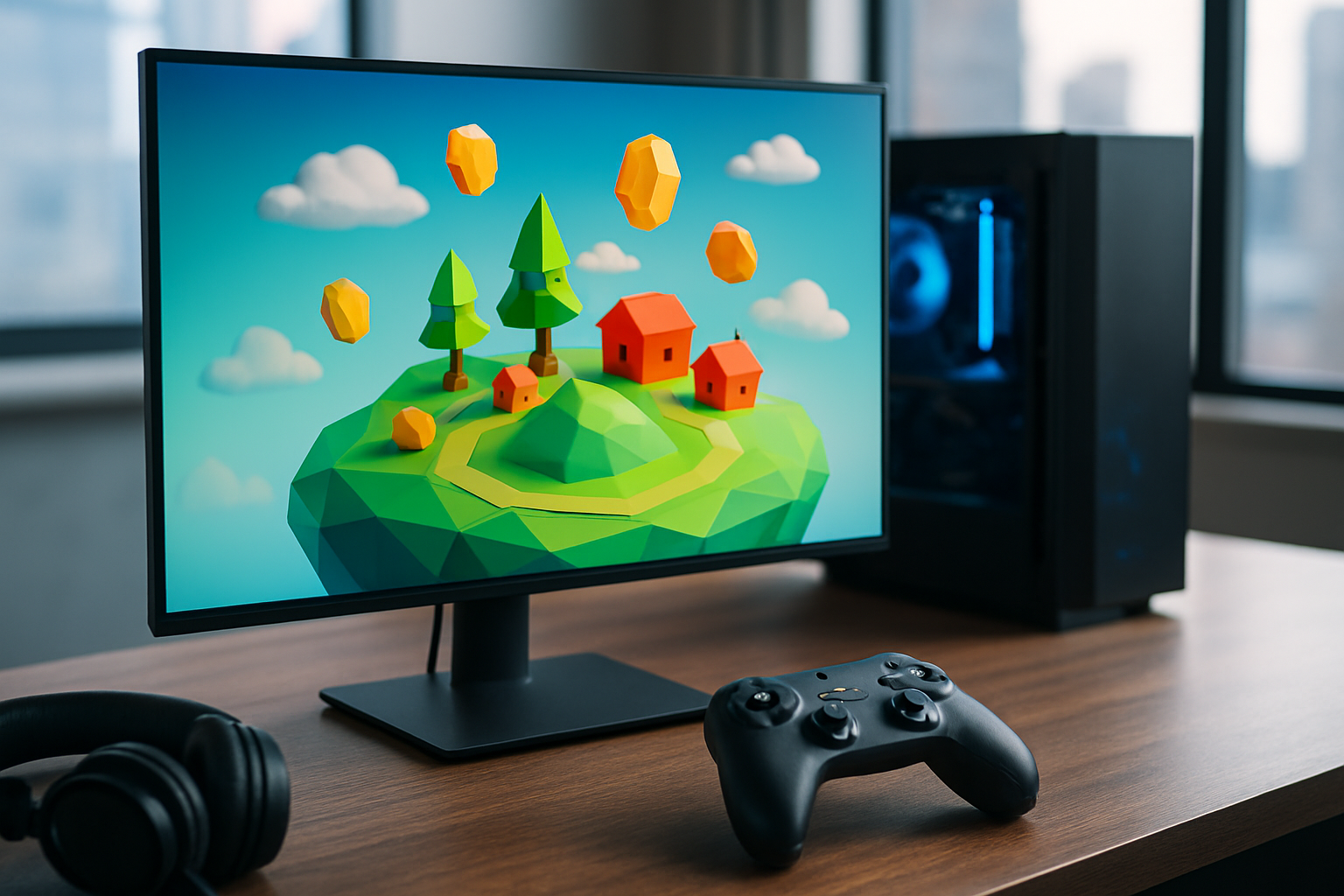
Mini-games are on track for an exciting future as gaming tech leaps forward at breakneck speed. Driven by cutting-edge innovations and changing player habits, these bite-sized experiences are set to play a bigger role in how we game. The explosion of mobile platforms has already put mini-games in the hands of millions, and as hardware gets smarter and global internet reaches further, creators are pushing boundaries to craft fresh, captivating moments that fit seamlessly into any moment of the day—whether you’ve got [[L0]] minutes or just a few seconds to spare.
Cutting-edge progress in augmented reality (AR) and virtual reality (VR) is poised to transform the mini-game landscape, creating immersive interactions that merge physical and digital realms. Such advancements enable mini-games to transcend standard display limits, providing users with captivating and realistic scenarios. Envision mini-games that elevate play through physical activity and spatial perception, engaging audiences in fresh and thrilling manners. With the ongoing evolution of AR and VR tech, a surge in mini-games built for these systems is anticipated, expanding their popularity and accessibility.
The future of mini-games is significantly influenced by the integration of artificial intelligence (AI) and machine learning. These advanced technologies will allow mini-games to dynamically adjust to individual player skills and desires, delivering bespoke and continuously changing challenges. This deep level of customization will foster lasting player involvement and commitment, thereby boosting their ongoing appeal. Furthermore, AI-driven mini-games can employ procedural content generation, guaranteeing that each playthrough is distinct and significantly increasing its replayability.
Social interaction is gaining importance in mini-games. As multiplayer and community‑focused gaming continue to rise, future mini-games are likely to incorporate stronger social features, such as live leaderboards, cooperative play options, and competitive events. These additions will motivate players to interact, collaborate, and challenge both friends and strangers, greatly boosting the shareability and viral reach of mini-games.
In addition, the incorporation of blockchain technology and non-fungible tokens (NFTs) could revolutionize how players engage with mini-games by creating new systems for ownership and rewards. This development has the potential to increase the real-world significance of in-game achievements and items, encouraging more player participation and investment in mini-games.
In conclusion, the future of mini-games is filled with exciting possibilities. With innovations in gaming such as AR, VR, AI, and blockchain, along with emerging trends that focus on personalization and social engagement, mini-games are set for notable growth and transformation. As developers continue to investigate these technologies and trends, we can anticipate that mini-games will not only rise in popularity but also become more immersive, captivating, and rewarding for players around the world.
Technological Advancements Enhancing Mini-Games
The rapid evolution of technology in gaming is significantly transforming how mini-games are developed and experienced. Innovations such as artificial intelligence (AI), virtual reality (VR), and augmented reality (AR) are resulting in more immersive, interactive, and personalized gameplay in mini-games. These advancements not only boost creativity but also enhance the capacity of mini-games to engage players on a deeper level.
AI-powered mini-games utilize machine learning to instantly modify gameplay, adapting challenges and situations to each player’s specific skill level. This dynamic tailoring significantly improves player retention by continuously offering novel and engaging experiences that traditional formats often lack. Beyond that, AI-driven opponents and non-player characters foster more intelligent interactions, enriching the game’s depth without requiring substantial increases in production budgets.
Meanwhile, VR and AR innovations are redefining the mini-game sector. Virtual reality transports users into entirely computer-generated settings, delivering a 360-degree sensory experience that mini-games can adopt for realistic puzzles, simulations, or skill-based trials. On the flip side, augmented reality injects interactive features into the real world, mixing digital overlays with physical spaces to generate mini-games that are contextually rich and engrossing. Together, these technologies stimulate increased physical activity and social engagement, widening the allure of mini-games beyond standard screen-focused play.
In sum, ongoing advances in gaming tech keep expanding what mini‑games are capable of. As developers weave AI, VR, and AR into these small games, they create richer, more adaptable experiences that engage players and lay the groundwork for the next phase of mini‑game entertainment.
Expanding Platforms and Cross-Device Play
The growing popularity of mini-games can largely be attributed to their improved accessibility across a variety of platforms and devices. Thanks to advancements in technology, mini-games have transitioned from being limited to a single device or operating system. The rise of cross-platform capabilities allows players to enjoy the same game on smartphones, tablets, computers, and even smart TVs. This seamless experience encourages more frequent play and attracts a wider audience, as it removes traditional barriers associated with device restrictions.
Mobile gaming has significantly influenced the popularity of mini-games in today’s culture. With smartphones being so widely accessible, players can engage with mini-games anytime and anywhere, facilitating quick and convenient gaming sessions. This adaptability has expanded the reach of mini-games far beyond traditional gaming demographics, drawing in casual users seeking short bursts of entertainment during their leisure moments.
Moreover, the advancement of cloud gaming technology greatly enhances the experience on a variety of devices. With cloud gaming, users can instantly stream mini-games without needing high-end hardware or large downloads. This instant access on multiple devices fosters a more inclusive gaming atmosphere, boosting both engagement and popularity. As a result, mini-games benefit from the combined advantages of cross-platform compatibility, mobile accessibility, and improvements in cloud gaming, ensuring their continuous growth and appeal worldwide.
Understanding the Rise of Mini-Games
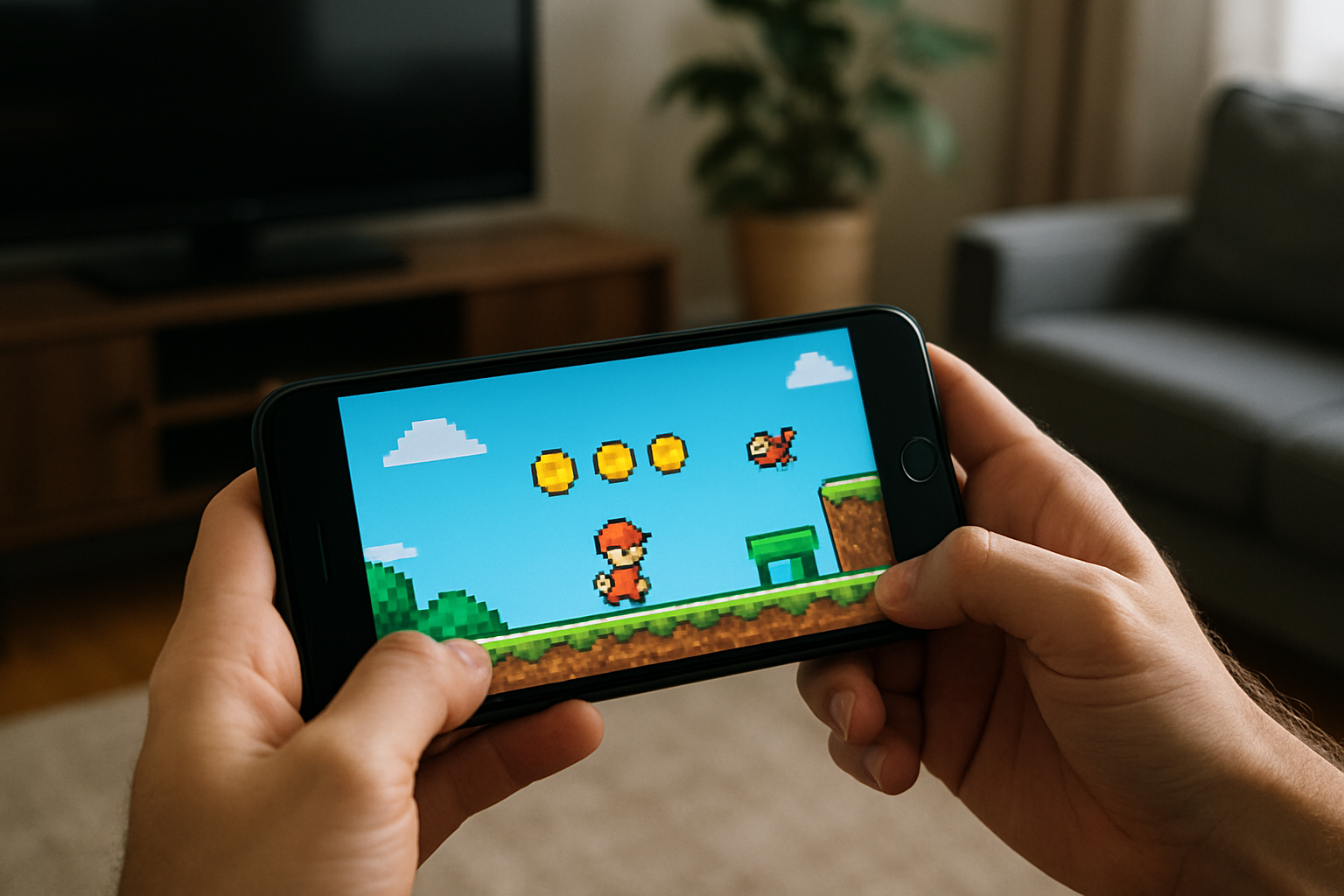
The rise of mini-games is connected to a broader shift in gaming trends that reflect changing player preferences and advancements in technology. The appeal of mini-games has grown as these short, engaging experiences provide quick bursts of enjoyment without the extensive time commitment required by traditional full-length games. As individuals navigate busier lifestyles and shorter attention spans, mini-games present a simple and entertaining way to connect with gaming while on the go. This accessibility is a key factor in the increasing popularity of mini-games among gamers.
One major reason for the rise in popularity of mini-games is their flexibility. They can be incorporated into larger games as extra challenges or function independently on mobile platforms, social media, and websites. This adaptability allows developers to experiment with different gameplay mechanics, often resulting in fun and shareable experiences. As a result, mini-games have become a vital part of gaming culture, frequently acting as an entry point for new players and a playful escape for seasoned gamers.
The growing trend of gamification in non-gaming contexts, such as fitness, education, and productivity apps, has greatly contributed to the increased popularity of mini-games. People are often faced with game-like challenges in various aspects of their everyday lives, blurring the lines between gaming and routine activities. This integration has promoted the acceptance and broad appeal of mini-games, embedding them deeper into our culture and making them a common form of entertainment.
Moreover, social engagement plays a vital role in the development of mini-games. Many mini-games incorporate multiplayer options or social leaderboards, fostering friendly competition and community participation. These social aspects encourage continuous play and sharing, which boosts the popularity of mini-games. With digital platforms making it easier to connect and compete, mini-games have transformed into a significant cultural phenomenon that brings together both casual and hardcore gamers.
Ultimately, mini-games owe their increasing appeal to their ease of access, adaptability, seamless incorporation into daily routines, and improved opportunities for social connection. Such attributes have cemented their role as a crucial element in contemporary gaming developments and an enduring feature of current gaming culture.
Historical Context of Mini-Games
The concept of mini-games dates back to the early days of video gaming, when developers sought to add small, engaging diversions within larger titles. Early mini-games often featured simple mechanics and clear objectives, offering fun breaks from the main gameplay. Prominent examples can be found in arcade machines and early console titles, where mini-games challenged players with quick tasks that were easy to understand but hard to master. These brief segments of play often enhanced variety and replayability, enhancing the overall gaming experience.

I’ve been exploring casino games and betting strategies since I first tried a slot machine in a local arcade. I love breaking down game mechanics, hunting for the best bonuses, and sharing responsible gaming tips with our community.
