
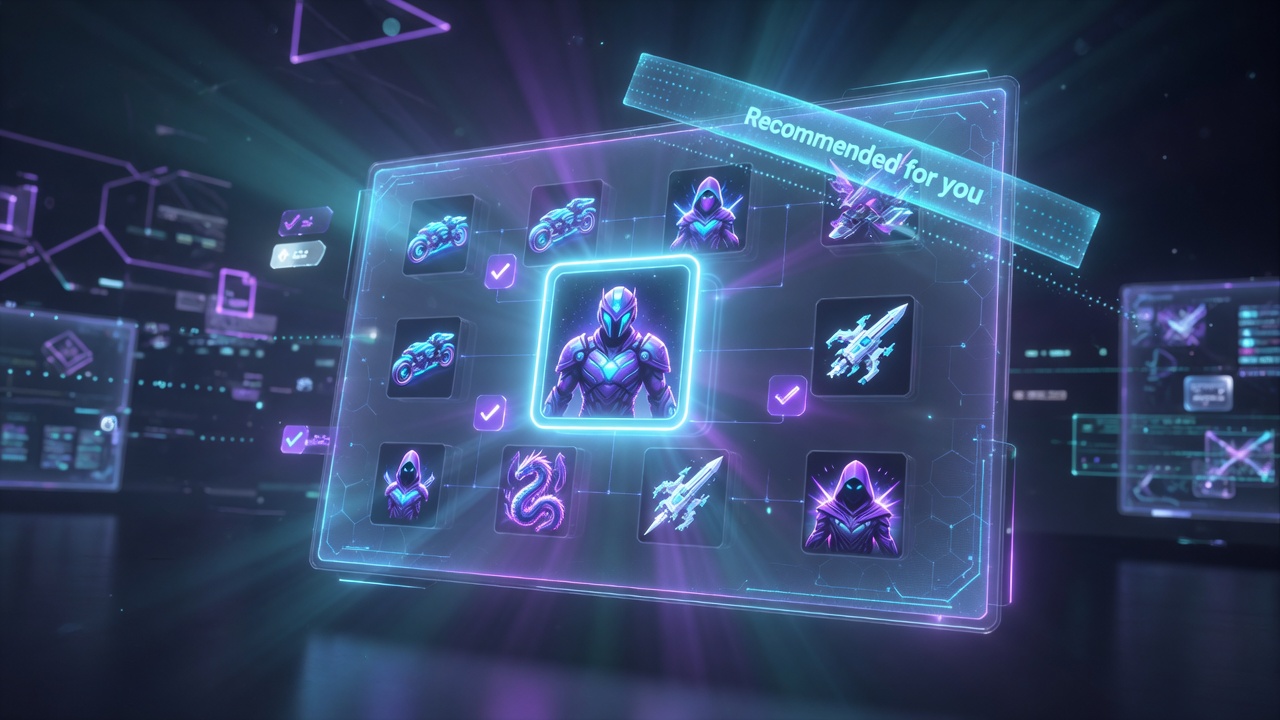
Understanding Personalized Game Recommendations
Personalized game recommendations have revolutionized the way players discover new games by tailoring suggestions to individual tastes. At the heart of this approach are sophisticated game suggestion algorithms that analyze a wealth of user data to provide a curated gaming experience. Rather than offering generic or broadly popular titles, these recommendations focus on the unique preferences of each player, making the process of finding the perfect game both efficient and enjoyable.
The foundation of personalized game recommendations lies in collecting and interpreting user preferences. These preferences may include a player’s gaming history, favorite genres, time spent on particular games, and interactive behaviors such as in-game choices or social interactions. By gathering this data, algorithms can identify patterns and trends that help predict what other games might appeal to the user. This personalization ensures that players are matched with games that resonate with their established interests and play styles.
Game suggestion algorithms employ advanced techniques such as collaborative filtering, content-based filtering, and hybrid approaches. Collaborative filtering compares users with similar tastes and recommends games enjoyed by like-minded players, while content-based filtering focuses on the characteristics of games the user already likes, suggesting titles with similar features, themes, or mechanics. Hybrid methods combine both techniques, leveraging the strengths of each to boost recommendation accuracy and relevance.
These algorithms continuously learn and adapt based on updated user data, ensuring that recommendations evolve alongside changing preferences. This dynamic adaptability is crucial in maintaining engagement, as it keeps the game suggestions fresh and aligned with the user’s current interests. Personalized game recommendations, powered by intelligent algorithms, not only enhance player satisfaction but also aid developers and platforms in promoting a wider variety of games, fostering an enriched gaming ecosystem.
In summary, personalized game recommendations rely on sophisticated game suggestion algorithms that analyze user preferences comprehensively. By understanding what players enjoy and how they interact with games, these systems deliver tailored suggestions that profoundly improve the gaming discovery experience. This approach transforms how players find new favorites, making gaming more accessible, enjoyable, and uniquely personal.
How Recommendation Algorithms Work
Recommendation algorithms are the backbone of personalized game suggestions, leveraging advanced technology to analyze user behavior and preferences. At the core of these systems are machine learning techniques that enable the algorithms to learn from vast amounts of data automatically. Through continuous data analysis, these algorithms identify patterns in user interactions, such as games played, time spent, ratings given, and in-game activities.
Machine learning models, including collaborative filtering and content-based filtering, are commonly employed to predict what games a user might enjoy next. Collaborative filtering analyzes the preferences of similar users, while content-based filtering focuses on the attributes of games previously liked by the player. By integrating these approaches, recommendation algorithms can deliver highly accurate and personalized game suggestions.
Additionally, data analysis plays a crucial role in refining these recommendations. Algorithms process real-time user interactions, adapt to changing preferences, and even incorporate contextual data such as time of day or device type. This dynamic analysis ensures that recommendations remain relevant and engaging over time, boosting user satisfaction and increasing playtime. Ultimately, recommendation algorithms combine machine learning and user behavior analysis to create a seamless, personalized gaming experience.
Types of Data Used for Personalization
Personalized game recommendations rely heavily on various types of user data to create tailored experiences. One critical source is user data collected through gameplay history. This data tracks the games a player has engaged with, the time spent on each, and in-game behaviors. By analyzing gameplay history, recommendation systems can identify patterns and preferences, suggesting games that match a user’s style and interests.
Preferences data is equally important. This includes explicit choices made by the user, such as favorite genres, preferred game modes, or disliked features. Collecting and interpreting these preferences enable platforms to refine recommendations even further, ensuring the suggested games align closely with what the user enjoys.
Demographics also play a vital role in personalizing recommendations. Information such as age, gender, location, and language can influence game selection. For example, cultural preferences or age-appropriate content considerations are used to enhance the relevance of recommendations, making them more appealing and suitable for each user demographic.
By integrating these types of user data—gameplay history, preferences, and demographics—game recommendation systems can deliver highly customized and engaging experiences. This tailored approach boosts user satisfaction and encourages longer playtime through more relevant game suggestions.
Benefits of Personalized Game Recommendations for Players

Personalized game recommendations play a pivotal role in enhancing player engagement by tailoring the gaming experience to individual preferences and play styles. When players receive suggestions that resonate with their interests, they are more likely to stay engaged for longer periods, increasing overall satisfaction and fostering a deeper connection with the gaming platform. This personalized approach not only keeps the current players active but also encourages them to explore new games they might not have discovered otherwise.
One of the most significant advantages of personalized recommendations is the simplification of game discovery. The vast number of games available today can be overwhelming, leading to decision fatigue and frustration for players. By analyzing user behavior, preferences, and past interactions, personalized recommendations narrow down options to those most relevant, making it easier for players to find games that truly match their tastes. This targeted discovery process saves time and reduces the uncertainty often associated with trying out new games.
Moreover, personalized game recommendations contribute positively to the overall gaming experience by ensuring that players consistently access content that entertains and challenges them appropriately. This customization enhances user satisfaction because players feel understood and valued, receiving an experience designed specifically for them. As a result, players are more likely to develop loyalty towards the platform, increasing retention rates and creating a thriving gaming community.
In addition, personalized recommendations can introduce players to game genres and mechanics they might not have explored on their own, broadening their gaming horizons and enriching their playtime. This continuous discovery of fresh and exciting content keeps the gaming experience dynamic and avoids monotony, further boosting player engagement. Ultimately, the combination of improved discovery, tailored content, and heightened user satisfaction leads to a superior gaming environment where players feel both challenged and rewarded.
Increasing Player Engagement and Retention
Tailored game suggestions play a crucial role in increasing player retention by aligning recommendations with individual gaming habits. When players receive personalized content that matches their preferences and past behaviors, they feel more connected and valued, which directly boosts engagement. This heightened interest can translate into longer playtime, as users are more likely to explore games that resonate with their tastes rather than generic offerings.
Engagement strategies centered on personalization help maintain a steady flow of fresh and relevant game options. By constantly adapting to a player’s evolving habits, these strategies prevent boredom and reduce churn rates. Players are encouraged to dive deeper into the gaming ecosystem, often discovering new titles that fit seamlessly with their individual style of play. This dynamic approach to recommendations creates a compelling cycle of interaction and replay.
Moreover, player retention benefits when games are recommended based on data-driven insights into users’ past activity, preferences, and engagement patterns. This targeted approach ensures that players find meaningful challenges and enjoyable experiences tailored just for them. As a result, tailored game suggestions not only hold players’ attention but also foster a loyal gaming community, supporting long-term retention and sustained engagement.
Enhancing Game Discovery
Personalized game recommendations play a crucial role in enhancing game discovery, enabling players to find new games they are most likely to enjoy. By analyzing player preferences, behaviors, and past gameplay, recommendation systems provide tailored suggestions that go beyond generic lists or popular titles. This targeted approach helps users explore diverse gaming options efficiently without feeling overwhelmed by the abundance of choices available.
The recommendation benefits extend beyond merely increasing game downloads or plays; they significantly improve user satisfaction by making the discovery process enjoyable and relevant. When players receive suggestions that align with their interests, they are more inclined to engage deeply with new games, fostering a stronger connection to the gaming platform. This sense of personalized attention encourages continuous user exploration and frequent return visits.
Moreover, personalized recommendations help uncover hidden gems that might otherwise go unnoticed, broadening the player’s gaming horizon. This not only supports indie developers and niche genres but also enriches the overall gaming ecosystem. As users discover fresh content that resonates with them, the overall experience becomes more fulfilling, highlighting the true value of game discovery through smart, user-centric recommendations.
Future Trends in Personalized Game Recommendations

The future of personalized game recommendations is poised to be revolutionized by cutting-edge advancements in AI and gaming technology. As the gaming industry evolves, recommendation innovations will play a crucial role in enhancing user engagement and satisfaction. Emerging trends indicate a shift towards increasingly sophisticated algorithms that not only analyze player preferences but also predict evolving interests to deliver dynamic and highly tailored gaming experiences.
Artificial intelligence in gaming is becoming more intuitive, capable of processing vast amounts of player data in real-time to offer recommendations that adapt to behavioral changes and skill development. This means future trends in personalized recommendations will focus on context-aware systems that understand not just what games a player enjoys, but how their mood, skill level, and social environment influence their choices. Such innovations will ensure that players are presented with options that perfectly align with their current gaming mindset.
Another significant trend is the integration of cross-platform data to refine recommendations. As gaming ecosystems expand across consoles, PCs, and mobile devices, recommendation engines will leverage data from multiple sources to create a holistic profile of the player. This comprehensive approach allows for seamless recommendations regardless of the device, enhancing convenience and maintaining continuity in user experience.
Moreover, the utilization of immersive technologies such as augmented reality (AR) and virtual reality (VR) will open new frontiers for personalized game recommendations. By analyzing how users interact within these immersive environments, AI can suggest games that match their engagement style and preferences for immersive storytelling or gameplay mechanics. This integration promises to make recommendations more engaging and immersive than ever before.
Finally, with privacy concerns becoming increasingly important, future trends will include the development of transparent and user-controlled recommendation systems. Gamers will have more control over what data is collected and how it is used, ensuring a balance between personalization and privacy. This will foster trust and encourage players to embrace personalized recommendations fully.
In conclusion, the future of personalized game recommendations is bright, driven by AI in gaming and continuous recommendation innovations. As gaming technology advances, players can look forward to highly customized, immersive, and privacy-conscious recommendations that enhance their overall gaming experience.
Artificial Intelligence and Adaptive Recommendations
The integration of artificial intelligence in gaming has revolutionized the way players discover new experiences. AI gaming recommendations rely on complex algorithms and vast amounts of data to generate personalized suggestions that align closely with individual preferences. These adaptive systems analyze players’ past gameplay, choices, and engagement patterns to refine their recommendations continuously, becoming more accurate over time.
Unlike traditional static recommendation methods, AI-powered adaptive systems dynamically adjust to a player’s evolving tastes. This ability to learn and adapt ensures that gamers receive tailored content that keeps pace with their changing interests and skill levels. The result is an enhanced gaming experience where players are introduced to titles that maximize enjoyment and engagement.
Artificial intelligence’s role extends beyond mere matching; it involves predictive modeling that anticipates a player’s future interests. By harnessing machine learning and data analytics, AI can identify subtle behavioral trends and preferences that may not be immediately obvious, delivering more nuanced and relevant game suggestions. This cutting-edge approach boosts player satisfaction and retention, setting a new standard for personalized recommendation systems.
As technology advances, AI gaming recommendations will become increasingly sophisticated, further enhancing the accuracy and adaptiveness of these systems. This progress not only drives engagement but also fosters a deeper connection between players and the gaming ecosystem, ultimately transforming how games are discovered and enjoyed.
Integrating Social and Community Data
Integrating social and community data into game recommendation systems significantly enhances personalization by leveraging the dynamics of social gaming. By analyzing players’ interactions, friend networks, and community engagement, platforms can identify patterns and preferences that traditional algorithms might miss. This level of data integration allows for more nuanced insights into what players enjoy, not just based on their own behavior but also influenced by their social circles.
Social gaming thrives on community influence, where players often follow recommendations from friends, join groups, or participate in collaborative events. By incorporating these social signals, recommendation engines can deliver game suggestions that resonate more deeply with users’ interests and social contexts. This approach prioritizes games that are popular or trending within a player’s community, fostering a sense of connection and shared experiences.
Data integration from social and community sources also enables dynamic personalization that evolves as players’ social environments change. It helps tailor recommendations to include games that encourage social interaction, competition, or cooperation, providing a more engaging and relevant gaming experience. Ultimately, blending social gaming data with traditional user data empowers platforms to suggest games that not only fit individual tastes but also enhance community involvement and enjoyment.

I’ve been exploring casino games and betting strategies since I first tried a slot machine in a local arcade. I love breaking down game mechanics, hunting for the best bonuses, and sharing responsible gaming tips with our community.
