
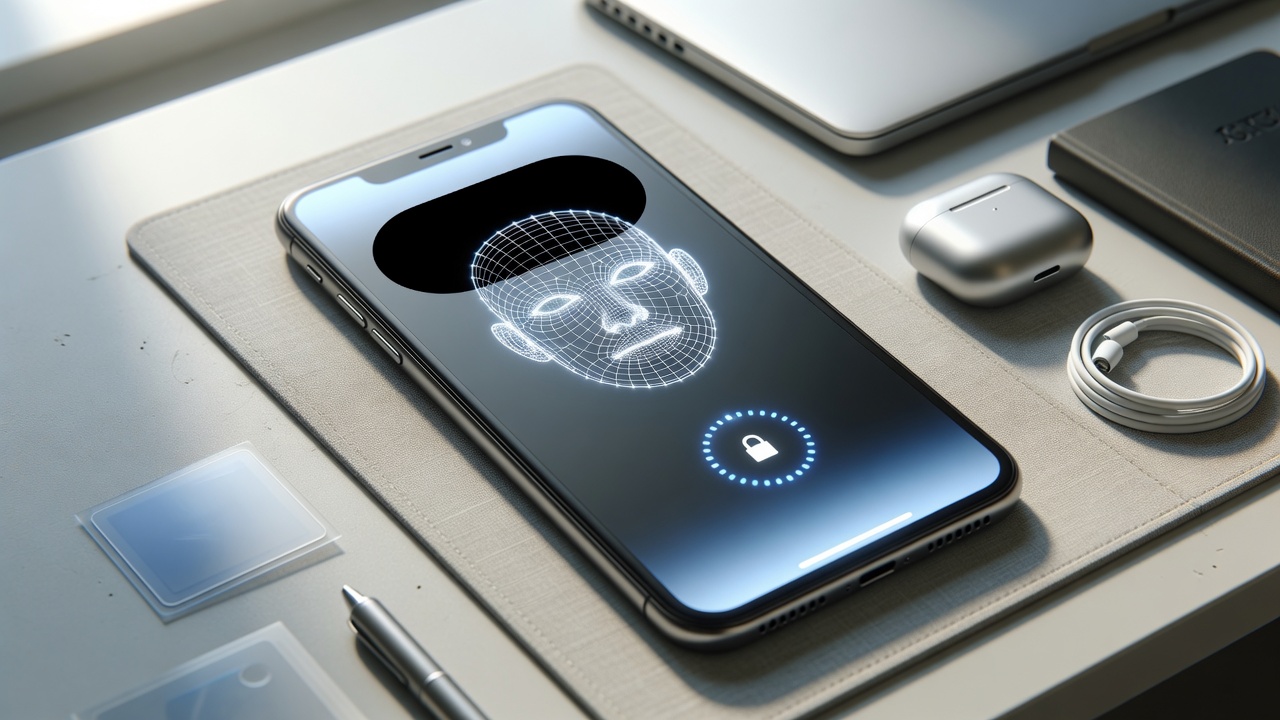
Understanding Biometric Login and FaceID
Biometric login is an advanced authentication technology that uses unique biological characteristics to verify an individual’s identity. Unlike traditional login methods that rely on passwords or PINs, biometric login offers a more secure and convenient way for users to access their devices or online accounts. Among the popular biometric authentication methods, FaceID stands out as a cutting-edge technology that harnesses the power of facial recognition for user identification.
FaceID technology works by scanning and mapping the unique features of a user’s face using an array of sensors and cameras. When a user attempts to log in, the system creates a detailed 3D map of their facial structure, including contours, distances between key points, and other distinctive characteristics. This biometric data is then matched against the stored facial template to confirm the person’s identity. The process happens almost instantly, providing a seamless and quick authentication experience while maintaining high security standards.
The role of FaceID and biometric login in modern authentication methods is increasingly significant. With growing concerns about password theft, phishing attacks, and identity fraud, biometric login offers a robust alternative by providing authentication that is much harder to replicate or steal. FaceID enhances user trust by ensuring that only the authorized user can gain access, using their unique biological traits. This form of authentication not only improves security but also elevates the convenience and user experience, making it a favored choice for mobile devices, banking apps, and other sensitive applications.
Overall, biometric login and FaceID represent the future of user identification and authentication technology. By combining cutting-edge facial recognition capabilities with heightened security measures, they pave the way for safer, faster, and more reliable access control in our increasingly digital world.
How FaceID Technology Operates
FaceID technology operates through a sophisticated combination of facial recognition sensors and advanced biometric sensors embedded within the device. When a user initiates the FaceID process, the system projects and analyzes thousands of invisible infrared dots on the user’s face to create a precise depth map. This biometric data, which captures the unique contours and features of the face, is then processed by highly sensitive sensors designed to detect the shape and texture of the skin.
Underpinning this technology are robust security algorithms that ensure the data is protected and cannot be easily spoofed or replicated. These algorithms perform complex mathematical computations to compare the stored facial data with the current scan in real-time. They employ machine learning techniques to adapt to changes in lighting, facial hair, or accessories, maintaining accuracy without compromising security.
This synergy of facial recognition and biometric sensors guided by security algorithms makes FaceID technology a reliable and secure method for authentication. The encrypted biometric data remains on the device, preventing it from being transmitted or stored externally, thus enhancing user privacy and trust. Through these technical processes, FaceID provides a seamless yet highly secure user experience.
Comparison Between Traditional and Biometric Logins
Traditional login methods primarily rely on passwords for user authentication. While passwords have been the standard for many years, they come with significant drawbacks related to password security. Users often create weak, easily guessable passwords or reuse the same password across multiple sites, increasing their vulnerability to hacking and data breaches. Moreover, typing complex passwords can be a cumbersome user experience, leading to login frustration and potentially lower user trust.
In contrast, biometric login methods, such as FaceID, offer several advantages in both security and usability. Biometrics use unique physical traits—like facial features—that are incredibly difficult to replicate or steal, making unauthorized access far less likely. This enhanced security addresses many of the inherent weaknesses of traditional password-based systems. Additionally, biometric advantages include the convenience of quick and effortless authentication without needing to remember or input complex codes.
From the user’s perspective, biometric authentication provides a seamless and intuitive experience. It reduces the friction often encountered with password recovery processes and eliminates concerns over forgotten passwords. These authentication methods also offer protection against common cyber threats such as phishing and brute-force attacks, which frequently target password vulnerabilities.
Overall, the shift from traditional login systems to biometric solutions reflects an evolution in authentication methods focused on enhancing both security and user satisfaction. By leveraging biometric advantages, organizations can foster greater user trust and offer a stronger, more reliable authentication experience.
How Biometric Login Enhances User Trust
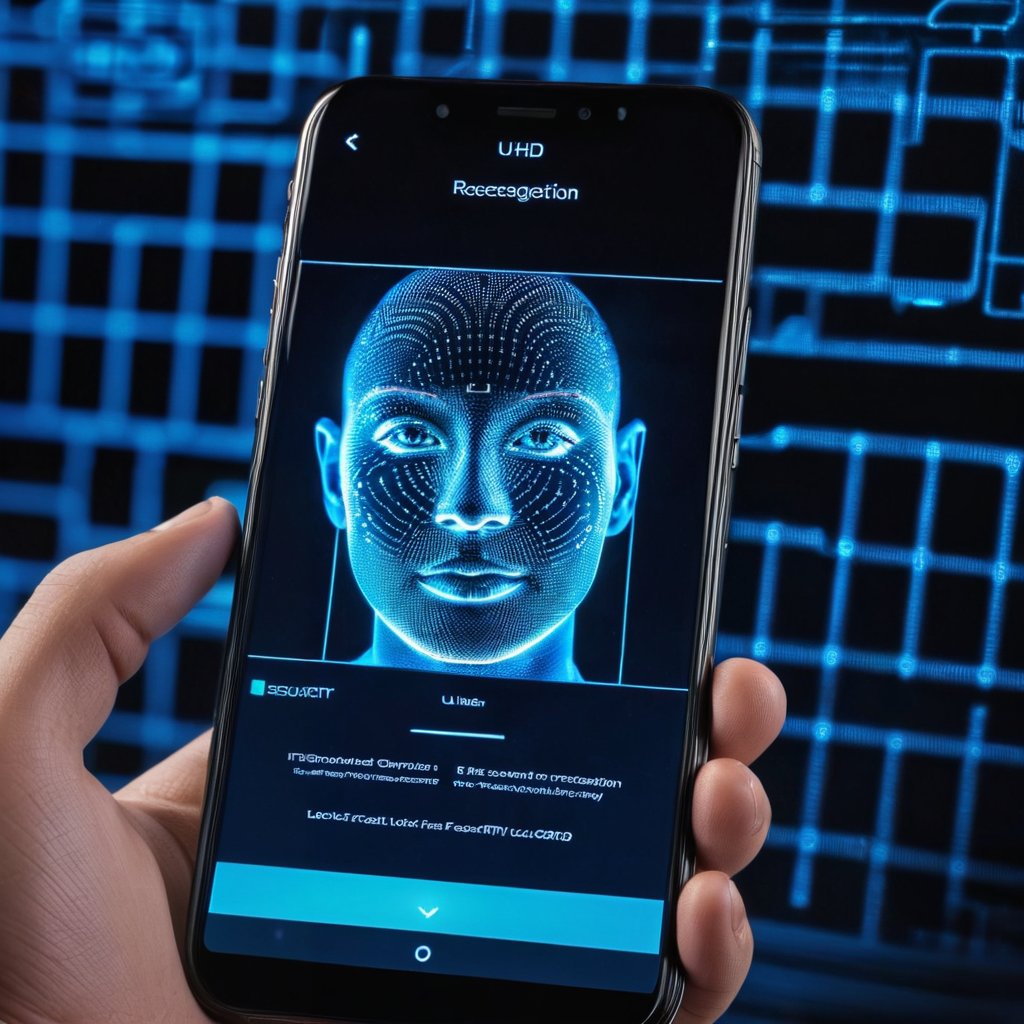
Biometric login, such as FaceID, significantly enhances user trust by offering substantial improvements in security, privacy protection, and ease of use. These factors collectively contribute to higher authentication confidence, making users feel safer and more assured when accessing their accounts.
One of the key elements boosting user trust is the enhanced security biometric login provides. Unlike traditional passwords or PINs, biometric data is unique to each individual, making it extremely difficult for unauthorized users to gain access. This reduced risk of hacking or identity theft strengthens users’ belief that their personal information is well-protected. Additionally, biometric systems often employ advanced encryption methods to safeguard biometric templates during storage and transmission, further elevating security improvement.
Privacy protection is another crucial aspect where biometric login builds user trust. Users are increasingly concerned about how their personal data is used and stored. Biometric authentication promotes privacy by storing biometric data securely on the user’s device rather than on centralized servers, minimizing exposure to data breaches. Many systems also allow users to control their biometric data, offering transparency and giving users peace of mind knowing that their sensitive information is not shared without consent.
Ease of use plays an indispensable role in fostering authentication confidence. Biometric login simplifies the process of gaining access, eliminating the need to remember complex passwords or go through multi-step verification sequences. The convenience of just a glance or a touch makes users more likely to adopt and consistently use biometric authentication, reinforcing their trust in the system. This seamless user experience helps reduce frustration and enhances overall satisfaction.
Ultimately, biometric login merges enhanced security, robust privacy assurances, and superior ease of use to create a reliable authentication method. This combination provides a compelling reason for users to place their trust in biometric systems, confident that their data is both secure and respected. As biometric technologies continue to evolve, they will play an increasingly vital role in building stronger user trust across digital platforms.
Increased Security Measures
FaceID technology offers enhanced security by providing a robust method of identity verification that surpasses traditional authentication techniques. Unlike passwords or PIN codes, which can be stolen, guessed, or shared, FaceID uses unique facial features that are incredibly difficult to replicate or forge. This level of biometric authentication safety significantly reduces the risk of unauthorized access to personal accounts and sensitive information.
The advanced facial recognition system strengthens fraud prevention by actively detecting attempts to breach security with fake photos, masks, or videos. It relies on sophisticated algorithms that analyze depth, contour, and subtle facial movements, ensuring that the person logging in is truly the authenticated user. This precise verification process minimizes the possibility of identity theft and fraudulent transactions, thereby building greater user trust.
Moreover, FaceID integrates seamlessly with multi-factor authentication protocols, adding an extra layer of protection for users. By combining biometric data with other security measures, such as device-based verification or passcodes, it creates a comprehensive defense system against cyber threats. This combination bolsters overall authentication safety and reassures users that their digital identity remains secure.
In summary, FaceID’s enhanced security capabilities offer not only convenience but a profound improvement in fraud prevention and identity verification. Users can confidently access their devices and services, knowing that their personal data is protected by cutting-edge authentication technology tailored to fight modern cybercrime.
User Privacy and Data Protection
Biometric login systems prioritize user privacy by implementing advanced encryption methods to safeguard sensitive biometric data. From the moment biometric information, such as facial features for FaceID, is captured, it undergoes strong encryption processes that render the data unreadable without the proper cryptographic keys. This ensures that even if a breach were to occur, unauthorized parties cannot access or misuse the protected information.
Additionally, biometric data safety is reinforced through secure storage mechanisms. Rather than transmitting or storing biometric data on external servers, modern systems often store it locally on secure hardware elements within the user’s device. These secure enclaves or trusted execution environments create an isolated area where biometric data remains shielded from other applications or software, significantly reducing the risk of data leakage or hacking.
The combination of encrypted data and secure storage contributes to building user trust by assuring individuals that their personal and biometric information is handled with the highest standards of confidentiality. Users can feel confident that their biometric data is protected information, inaccessible to unauthorized entities, and used solely for authentication purposes, thereby greatly enhancing privacy in an increasingly digital world.
Improved User Experience Builds Confidence
The convenience and speed of FaceID significantly elevate the overall user experience, making authentication effortless and seamless. This ease of access allows users to quickly log into their devices or apps without fumbling for passwords or passcodes, dramatically reducing the time and friction often associated with traditional login methods. Such swift authentication speed not only saves valuable moments but also enhances the flow of user interaction, maintaining engagement and satisfaction.
When users consistently experience smooth and efficient access through FaceID, it fosters a sense of reliability and trust in the system. The seamless integration of biometric login eliminates concerns related to forgotten passwords or identity theft, providing reassurance that their personal data is secure. This trustworthy environment encourages users to continue relying on the technology, cementing a positive relationship between the system and its users.
Ultimately, the combination of improved user experience, ease of access, and rapid authentication speed contributes to trust building, making FaceID a preferred authentication method. By prioritizing user convenience without compromising security, FaceID creates a positive feedback loop where user confidence and satisfaction continually grow, enhancing both loyalty and adoption.
Real-World Impact and Future Directions
The current state of biometric adoption has seen significant growth across various sectors, particularly in mobile technology, banking, and secure access systems. FaceID and other biometric login methods have transitioned from being novel features to essential tools for enhancing security and improving user experience. This widespread adoption directly correlates with a marked increase in user trust, as biometric authentication offers a seamless and reliable alternative to traditional passwords, which are often prone to theft and misuse.
Real-world scenarios clearly illustrate how biometric login cultivates user trust. Consumers appreciate the convenience of quick access without compromising security, which fosters confidence in digital platforms. For instance, financial institutions that incorporate biometric verification report reduced fraud incidents and higher customer satisfaction rates. This trend reflects a broader shift in authentication evolution where the emphasis is on balancing ease of use with robust protection measures.
Looking ahead, future technology promises to further enhance the biometric landscape. Innovations such as multi-modal biometrics, which combine facial recognition with fingerprint or voice verification, are emerging to increase accuracy and security levels. Additionally, advancements in artificial intelligence and machine learning are expected to enable more adaptive and context-aware authentication systems that can dynamically respond to potential security threats.
These upcoming innovations are poised to shape user trust trends by making biometric login not only more secure but also more intuitive and accessible. As authentication evolution continues, users will benefit from a frictionless experience where robust security is embedded seamlessly into everyday interactions. Ultimately, the real-world impact of biometric adoption underscores a future where trust in digital identities is strengthened by cutting-edge technology, fostering safer and more reliable online ecosystems.
Case Studies on User Trust Improvement
Biometric login methods, especially FaceID, have shown significant success in enhancing user trust across various industries. In financial services, a report revealed that over 70% of users felt more secure using biometric authentication compared to traditional passwords, leading to a 30% reduction in account breaches. This increase in user trust directly correlates with improved customer retention and satisfaction.
Healthcare providers have also reported notable improvements. Case studies show biometric security implementations resulted in a 40% decrease in unauthorized access attempts, bolstering patient confidence and compliance with strict privacy regulations. These biometric success stories demonstrate how the integration of FaceID solidifies trust in sensitive environments.
Retail and e-commerce sectors illustrate similar trends. A survey indicated that 65% of shoppers preferred stores offering biometric login for faster, safer transactions. Enhanced security outcomes not only reassured users but also reduced fraud rates by 25%. Strong user trust statistics highlight biometrics as a pivotal factor in modern customer experience strategies.
Overall, the blend of concrete data and real-world examples from different industries underscores the impact of biometric login. These case studies affirm biometric technology as a trusted solution, improving security outcomes while fostering higher user confidence in digital interactions.
Emerging Trends in Biometric Authentication
Emerging trends in biometric authentication are revolutionizing how security and user trust are managed. One significant advancement is the adoption of multi-factor biometrics, which combines different biometric identifiers—such as facial recognition, fingerprint scanning, and voice recognition—to create a more robust and foolproof security system. This layered approach reduces the risk of unauthorized access and enhances confidence in the authentication process among users.
Another major trend is the integration of artificial intelligence (AI) into biometric systems. AI algorithms improve accuracy by learning and adapting to subtle changes in biometric data, which helps in minimizing false negatives and false positives. Additionally, AI plays a crucial role in detecting fraudulent attempts, such as spoofing or presentation attacks, by analyzing behavioral patterns and environmental factors in real time.
Security advancements powered by AI and multi-factor biometrics are also driving innovations like continuous authentication, where user identity is verified throughout a session instead of only at login. This constant verification approach ensures that unauthorized users are quickly detected and blocked, further fostering user trust in the security of their accounts.
Overall, the combination of multi-factor biometrics and AI integration represents the forefront of security advancements in biometric authentication. These technologies provide enhanced protection, reduce identity theft risks, and ultimately improve user trust by delivering a seamless yet highly secure authentication experience.

I’ve been exploring casino games and betting strategies since I first tried a slot machine in a local arcade. I love breaking down game mechanics, hunting for the best bonuses, and sharing responsible gaming tips with our community.
