
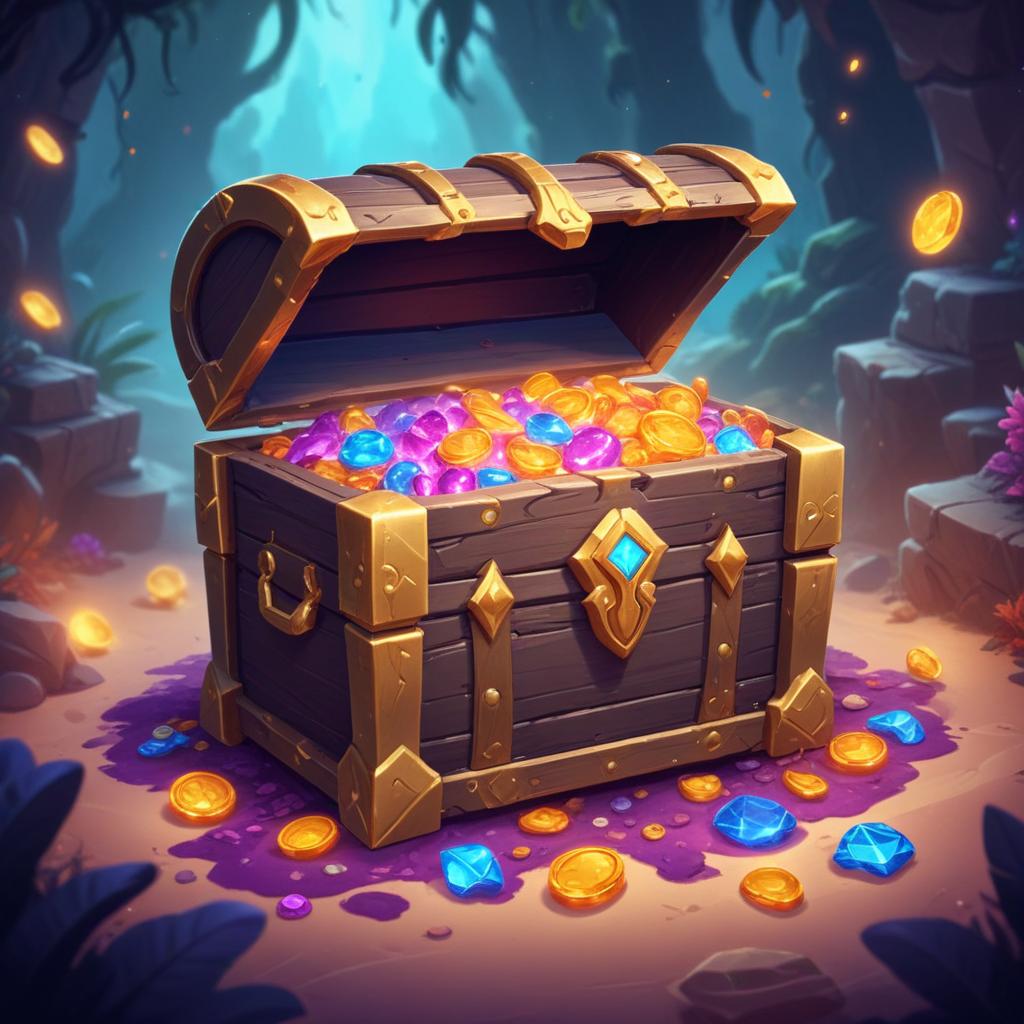
Understanding Micro-Rewards in Gaming
Micro-rewards are small, immediate incentives provided to players within games that reinforce positive behavior and encourage continued engagement. Originating from principles rooted in gaming psychology and behavioral sciences, micro-rewards are strategically integrated into game mechanics to influence player incentives effectively. These little boosts can take many forms, such as points, badges, virtual currency, or simple visual and auditory cues that celebrate small achievements.
The concept of micro-rewards evolved from early game design aimed at enhancing player retention and satisfaction through frequent reinforcement. By breaking down larger goals into manageable milestones with consistent feedback, game developers harnessed the power of micro-rewards to maintain player interest and motivation. This approach is deeply intertwined with the psychological need for instant gratification combined with a sense of progress, which together form a compelling incentive structure.
In gaming psychology, micro-rewards tap into the brain’s reward system by releasing dopamine, a neurotransmitter associated with pleasure and motivation. This biochemical response encourages players to repeat behaviors that lead to these small wins, establishing a cycle of engagement reinforced by game mechanics designed to deliver consistent feedback. By doing so, micro-rewards can shape player behavior in subtle yet powerful ways, nudging players towards specific actions or goals without overwhelming them.
Beyond motivating individual actions, micro-rewards help build long-term player loyalty by fostering a sense of accomplishment and progress. Since they provide continual affirmation, players are more likely to feel invested and satisfied, which encourages them to explore deeper game content and participate actively in the game environment. As a result, micro-rewards serve as essential tools for designers aiming to craft compelling gaming experiences that resonate on both psychological and practical levels.
Types of Micro-Rewards
Micro-rewards come in various forms, each designed to enhance player engagement and motivation within a game. One of the most common types is point systems, where players accumulate points for completing tasks or achieving goals. These points serve as a quantifiable measure of progress and can unlock further levels, features, or bonuses, encouraging players to keep playing.
Badges are another popular type of micro-reward. They act as visual tokens of achievement that players can collect and showcase. Badges often represent milestones or special accomplishments, providing players with a sense of pride and recognition, which can increase their commitment to the game.
Virtual rewards, such as in-game items, skins, or currency, add an additional layer of personalization and utility. These rewards allow players to customize their experience or gain advantages, making the gameplay more immersive and enjoyable. The desire to obtain exclusive or rare virtual goods can significantly boost player activity.
Overall, these types of rewards—points, badges, and virtual goods—create a dynamic system that motivates players through continuous feedback and tangible benefits. By integrating diverse micro-rewards, game developers can effectively sustain player interest and foster long-term engagement.
Psychological Impact on Players
Micro-rewards play a crucial role in shaping player psychology by triggering specific psychological responses that significantly influence motivation and ongoing engagement. These small, frequent rewards activate the brain’s reward system, releasing dopamine, a neurotransmitter associated with pleasure and reinforcement. This dopamine release strengthens the behavioral influence micro-rewards have, making players feel a sense of accomplishment and encouraging continued play.
Behavioral influence through micro-rewards is rooted in the concept of operant conditioning, where positive reinforcement increases the likelihood of repeating the desired behavior—in this case, game interaction. By consistently providing micro-rewards, game developers tap into intrinsic and extrinsic motivation factors, which sustain player interest over longer periods. Players are motivated not only by the tangible rewards but also by the anticipation and excitement they generate, which keeps engagement levels high.
Reward systems that incorporate micro-rewards effectively leverage these psychological responses to create a compelling loop of motivation. This loop encourages players to pursue short-term goals repeatedly, fostering a habit and enhancing their overall gaming experience. Consequently, understanding the psychological impact of micro-rewards helps developers design games that are more engaging, promoting retention and player satisfaction.
How Micro-Rewards Shape Player Behavior
Micro-rewards play a crucial role in shaping player behavior by leveraging the principles of reward conditioning. These small, frequent incentives are designed to reinforce specific behavioral patterns in players, guiding their decisions and increasing overall game engagement. When players receive consistent micro-rewards, their brains begin to associate particular in-game actions with positive outcomes, fostering a habit-forming loop that strengthens retention. This cycle is essential for maintaining player interest over extended periods.
One of the key mechanisms by which micro-rewards influence player behavior is through operant conditioning. Each time a player performs an action—whether completing a quest, making a purchase, or achieving a milestone—they receive a micro-reward, such as points, badges, or virtual currency. These rewards serve as immediate positive feedback, encouraging players to repeat the behavior. Over time, this conditioning creates reliable behavioral patterns that developers can predict and leverage to design more engaging gameplay experiences.
Moreover, micro-rewards effectively increase player retention by creating a sense of progress and accomplishment. Because these rewards are frequent but small, they maintain a continuous flow of gratification, preventing players from feeling bored or disheartened by long stretches without feedback. This steady reinforcement helps to sustain motivation, making players more likely to return to the game and explore further.
Another important aspect of micro-rewards is their ability to encourage specific in-game behaviors that might not occur naturally without incentives. For example, players might be nudged to try new game features, participate in social interactions, or engage in cooperative play due to targeted micro-rewards tied to those actions. By carefully structuring these rewards, developers can subtly guide player choices and promote engagement with various game elements, enriching the overall experience.
In summary, micro-rewards are a powerful tool in influencing player behavior through reward conditioning mechanisms. They shape decisions, boost game engagement, and increase retention by fostering behavioral patterns that keep players invested in the game world. Understanding and implementing these mechanisms effectively allows game designers to create deeply immersive and satisfying experiences that resonate with players over time.
Reinforcement and Habit Formation
Frequent micro-rewards play a crucial role in reinforcement, which is the foundation of habit formation in players. Each small reward acts as a positive stimulus, encouraging players to repeat certain behaviors in the game. Over time, these repeated behaviors become ingrained habits, making the gameplay feel natural and engaging. This process is essential for building long-term player retention strategies, as it creates a continuous cycle where players anticipate and seek out the next reward.
The frequency of micro-rewards is a key factor in maintaining player interest and motivation. When rewards are delivered consistently, players experience a steady sense of accomplishment and satisfaction. This immediate feedback reinforces their actions and keeps them coming back to the game. By carefully balancing the reward frequency, game designers can avoid reward fatigue while still sustaining player enthusiasm.
Ultimately, reinforcement through frequent micro-rewards helps develop strong habits that increase player retention rates. These habits not only keep players engaged but also deepen their emotional connection to the game. As a result, games that implement smart micro-reward systems benefit from more loyal player bases and improved long-term success in a competitive market.
Influencing Decision-Making in Games
Micro-rewards play a crucial role in shaping player choices by offering immediate, tangible benefits that encourage specific in-game decisions. These small incentives serve as positive reinforcement, guiding players toward particular actions that align with the game’s design and intended progression paths. By strategically integrating micro-rewards, game developers can subtly influence decision-making, steering players to explore new strategies or prioritize certain objectives.
In-game reward incentives often prompt players to evaluate risks and rewards more carefully, fostering a dynamic environment where decision-making is continually impacted by the promise of small but meaningful gains. This interplay influences game strategy by encouraging experimentation with different approaches, as players seek to maximize their rewards while advancing through the game efficiently. As a result, micro-rewards become an essential tool for guiding player behavior without overtly restricting freedom of choice.
Furthermore, these incentives can create nuanced progression paths by motivating players to engage with diverse gameplay elements. Whether it’s unlocking a new ability, acquiring resources, or achieving incremental milestones, micro-rewards validate player effort and reinforce continued engagement. Ultimately, their careful placement within a game’s ecosystem enhances decision-making processes, making player choices more meaningful and strategically driven.
Best Practices for Implementing Micro-Reward Systems
Designing an effective reward system is crucial in game design to sustain player engagement and satisfaction. Micro-reward systems, when crafted thoughtfully, can significantly enhance the player experience by providing frequent, meaningful feedback and incentivizing continued play. To maximize the benefits of micro-rewards, developers should incorporate several best practices that align with reward optimization principles.
First, it is important to balance the frequency and value of rewards within the game. Too few micro-rewards can result in players feeling underappreciated, while an excessive number can dilute their significance and reduce motivation. Developers should design a reward system that maintains player interest by delivering timely acknowledgments for achievements, progress, or effort, ensuring these moments feel rewarding without overwhelming the player.
Another strategy is to diversify the types of micro-rewards offered. This can include in-game currency, cosmetic items, small power-ups, or exclusive content. By integrating a variety of rewards, developers can cater to different player preferences and encourage broader engagement. Tailoring rewards to suit the game’s theme and player behavior patterns enhances the overall effectiveness of the reward system design.
Furthermore, transparency and clarity about how rewards are earned is essential. Players should easily understand the connection between their actions and the resulting micro-rewards to foster a sense of achievement. Implementing clear progress indicators, such as experience bars or milestone notifications, supports this transparency and motivates players by making their efforts visible and attainable.
Developers should also leverage data analytics to continually optimize their micro-reward systems. Monitoring player interactions and responses to different reward types helps refine balance and tailor content to maximize player engagement. Adaptive reward systems that evolve based on player behavior ensure the system remains relevant and stimulating over time.
In addition, integrating social elements can amplify the impact of micro-rewards. Features such as leaderboards, sharing achievements, or cooperative challenges allow players to showcase their successes, heightening motivation through community recognition and competition. This social dynamic enriches the reward experience, encouraging deeper player involvement.
Ultimately, a well-designed micro-reward system is a powerful tool in game design. By carefully balancing frequency, diversity, clarity, data-driven refinement, and social integration, developers can create engaging, rewarding experiences that boost player satisfaction and foster long-term loyalty.
Balancing Reward Frequency and Value
In game design, maintaining an effective reward balance is crucial to sustaining player motivation. Striking the right equilibrium between how frequently rewards are given and the value they hold ensures that players remain engaged without experiencing diminishing returns. If rewards are distributed too often, their perceived value may decline, causing players to feel less accomplished and potentially lose interest. Conversely, if rewards are too infrequent or of low value, players might lose motivation, perceiving progress as slow or unrewarding.
Reward frequency acts as a reinforcement mechanism, encouraging players to continue their actions and efforts within the game. However, the subjective value of those rewards plays an equally important role. Players are more likely to stay motivated when each reward feels meaningful and worth striving for. Therefore, game designers must carefully calibrate reward schedules so that each prize feels like a notable achievement, rather than a routine occurrence.
Effective balancing helps prevent player fatigue and burnout by keeping the challenge fresh and rewarding. It also builds anticipation, as players learn to expect rewards that are worth the effort. Achieving this fine balance between reward frequency and value results in a more satisfying gameplay experience and sustains long-term engagement through motivated, enthusiastic players.
Personalization and Player-Centric Rewards
Personalization in micro-rewards is a powerful strategy that directly enhances player engagement and satisfaction. By tailoring rewards to individual player preferences, game developers create a more immersive and rewarding experience. This player-centric approach recognizes that different players value different types of rewards, whether it be in-game currency, exclusive items, or unique abilities.
Custom rewards based on player behavior and choices encourage continued interaction as players feel recognized and valued. For example, frequent achievers might appreciate badges or trophies, while social players could be motivated by rewards that enhance social interactions within the game. This level of personalization not only boosts immediate engagement but also fosters long-term loyalty.
Engagement strategies centered on personalization allow for more dynamic reward systems, adjusting over time to match evolving player preferences. By analyzing data and feedback, developers can refine which micro-rewards resonate best with their audience, making the reward system feel intuitive and meaningful. Ultimately, personalization and player-centric micro-rewards serve as a cornerstone for successful game design, driving higher satisfaction and a more dedicated player base.

I’ve been exploring casino games and betting strategies since I first tried a slot machine in a local arcade. I love breaking down game mechanics, hunting for the best bonuses, and sharing responsible gaming tips with our community.
