
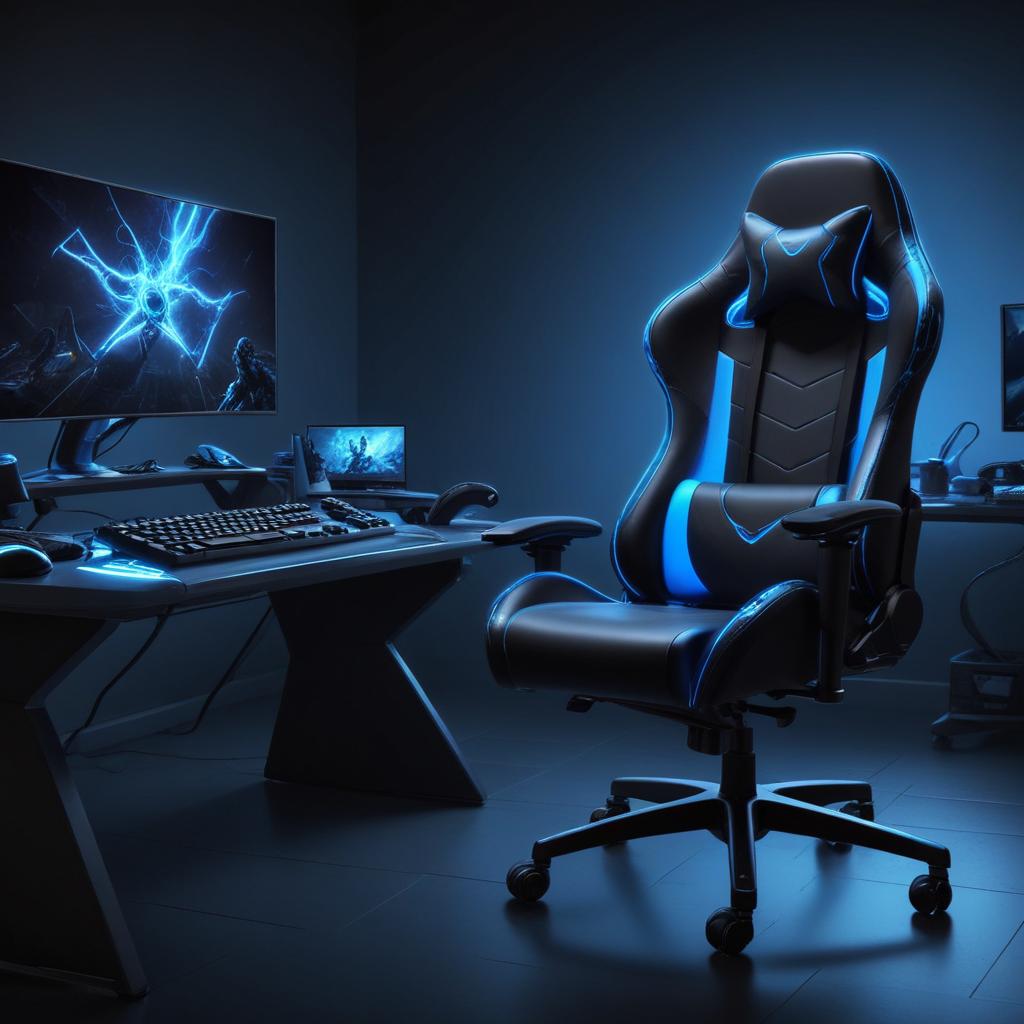
Physical Factors Influencing Long Gaming Sessions
Physical health plays a crucial role in determining both the length and quality of long gaming sessions. When gamers maintain good physical well-being through regular exercise, proper nutrition, and adequate rest, they are better equipped to endure extended periods of play without experiencing adverse effects such as discomfort or pain. Neglecting physical health can lead to quicker onset of fatigue and other issues that limit gaming time and reduce enjoyment.
Ergonomics is another significant factor affecting long gaming sessions. Poor ergonomic setup, such as an uncomfortable chair, incorrect desk height, or improper screen positioning, can lead to strain in various parts of the body, including the back, neck, wrists, and eyes. This strain not only causes immediate discomfort but can also contribute to chronic conditions if gaming sessions are prolonged without attention to proper posture and ergonomics. Investing time in creating an ergonomically sound gaming environment helps to prevent these problems and supports longer, more comfortable gameplay.
Fatigue is a common challenge during extended gaming sessions. Physical fatigue manifests when muscles tire and mental fatigue occurs when concentration decreases, both of which negatively impact performance and enjoyment. Fatigue often results from inadequate breaks, poor nutrition, and insufficient hydration. Gamers who recognize the signs of fatigue and incorporate regular breaks to stretch, hydrate, and rest their eyes are more likely to sustain longer sessions with better focus and reduced risk of injury.
Maintaining proper posture throughout gaming is essential to reduce the risk of musculoskeletal discomfort and enhance endurance. Sitting with a straight back, supported lumbar region, and feet flat on the floor promotes good circulation and reduces muscle tension. Poor posture, on the other hand, strains muscles and joints, contributing to quicker fatigue and discomfort. Paying attention to posture can help gamers extend their sessions healthily and improve overall gaming experience.
In conclusion, physical health, ergonomics, fatigue, and posture are intertwined factors that greatly influence the duration and quality of long gaming sessions. Prioritizing these aspects ensures not only longer playtime but also a healthier and more enjoyable gaming experience, as physical discomfort and exhaustion are minimized.
Ergonomics and Comfort
Creating an ergonomic gaming setup is crucial for gamers who want to enjoy long sessions without experiencing physical discomfort or strain. A well-designed gaming environment supports proper posture and reduces the risk of repetitive strain injuries. Key to this is chair comfort — choosing a chair that offers adjustable lumbar support, cushioned seating, and armrests can significantly improve overall comfort and maintain healthy posture during extended gameplay.
Ergonomics extends beyond just furniture; the entire gaming setup should be arranged to promote natural body alignment. The monitor height, keyboard position, and mouse placement all play a role in preventing strain, particularly in the neck, shoulders, and wrists. An ergonomic setup encourages sitting upright and reduces slouching, which often leads to back and neck pain.
Investing time in optimizing the gaming arrangement can lead to longer, more enjoyable gaming experiences. Comfort during play not only benefits physical health but also enhances focus and reaction times. Overall, prioritizing ergonomics and chair comfort supports sustained performance and maximizes the fun of long gaming sessions.
Effects of Physical Fatigue
Physical fatigue is a common challenge during long gaming sessions, often manifesting as muscle strain and decreased energy levels. Prolonged periods of repetitive motion, such as clicking and holding controllers, can lead to muscle tension and soreness, impacting overall performance. Additionally, maintaining the same posture for hours can cause discomfort and stiffness, further draining a gamer’s stamina.
As fatigue sets in, concentration and reaction times may decline, making it harder to keep up with fast-paced gameplay. The body’s natural energy reserves get depleted, resulting in slower physical responses and mental fatigue. Without addressing these issues, the quality of the gaming experience may suffer considerably.
Incorporating regular breaks is essential to counteract physical fatigue. Pausing the game every hour or so to stretch and move around helps alleviate muscle strain and revitalizes energy levels. These breaks prevent the buildup of tension and improve blood circulation, which can sustain alertness and reduce the risk of injury during extended play.
By recognizing the signs of fatigue and prioritizing rest, gamers can enhance their endurance and enjoy longer sessions without compromising their physical health. Strategic breaks not only extend playtime but also promote a more comfortable and effective gaming experience overall.
Psychological and Cognitive Aspects Affecting Gaming Duration
Long gaming sessions are deeply influenced by various psychological and cognitive factors, which play a vital role in a player’s ability to maintain mental stamina and focus over extended periods. One of the key elements is mental stamina itself—the capacity of the brain to endure prolonged cognitive activity without significant decline in performance. This stamina varies between individuals and is crucial for sustaining attention during intense gaming moments that require quick decision-making and strategic thinking.
Focus, closely tied to mental stamina, is another critical factor. Players who can effectively filter out distractions and remain deeply engaged in game mechanics are more likely to enjoy extended play. The cognitive ability to concentrate on specific in-game goals, objectives, or challenges helps reduce mental fatigue and promotes a continuous flow state, where players feel absorbed and fully immersed in the gaming experience. This flow state not only enhances performance but also prolongs the duration a player is willing to engage with a game.
Stress management is also a fundamental component affecting gaming duration. While moderate stress or excitement can heighten alertness and motivation, excessive stress can lead to burnout, frustration, or diminished cognitive function, forcing players to take breaks or end sessions prematurely. Effective coping strategies such as controlled breathing, taking mini-breaks, or adjusting gameplay pace help gamers maintain an optimal stress level for longer play sessions.
Motivation acts as the driving force behind sustained gaming. Intrinsic motivation, which includes personal satisfaction, challenge-seeking, and the enjoyment of mastering complex skills, encourages longer engagement with gaming sessions. External motivators, such as competition, rewards, or social interaction, also contribute but can fluctuate, impacting the player’s ability to persevere through challenging or monotonous phases of a game. Understanding and managing both intrinsic and extrinsic motivations can thus enhance a player’s commitment to extended gaming sessions.
Overall, the interplay of mental stamina, focus, stress management, and motivation creates a psychological framework that determines how long a player can maintain attention and engagement in gaming. By improving these cognitive and emotional aspects, gamers can significantly enhance their endurance for long gaming sessions, leading to a more satisfying and immersive experience.
Maintaining Focus and Mental Stamina
Maintaining concentration and a strong attention span during long gaming sessions is crucial for sustaining high gaming performance. One of the main challenges players face is mental fatigue, which can quickly set in as hours of continuous gameplay drain cognitive resources. To combat this, gamers need to adopt techniques that help preserve mental stamina and keep focus sharp.
Taking regular breaks is one of the most effective strategies to prevent mental fatigue. Brief pauses allow the brain to recover, reducing stress and improving overall concentration. During these breaks, engaging in activities like stretching or hydrating further supports cognitive function. Additionally, creating a comfortable and distraction-free gaming environment can significantly boost attention span, enabling players to stay immersed and alert.
Another technique is mindfulness or focused breathing exercises, which help reduce anxiety and sharpen mental clarity. Proper nutrition and adequate sleep are also foundational to maintaining mental stamina; without these, the risk of cognitive decline and decreased gaming performance increases markedly. Finally, players should be mindful of pacing themselves, as pushing too hard without mental rest often leads to diminished returns in both focus and gameplay quality.
Balancing these techniques while being aware of the challenges posed by prolonged gaming sessions can help enthusiasts sustain their cognitive edge, enhancing both their enjoyment and success in gaming.
Impact of Stress and Motivation
Stress and motivation play crucial roles in shaping a player’s endurance during long gaming sessions. High stress levels can negatively affect the gaming mindset, leading to decreased focus, slower reaction times, and an overall decline in performance. When stress accumulates, players often find it difficult to maintain emotional regulation, causing frustration or fatigue that can cut a gaming session short.
Conversely, strong motivation can serve as a powerful counterbalance to stress. Motivated players tend to have a more positive gaming mindset, which fuels persistence and resilience even in challenging circumstances. This motivation—not just driven by external rewards but also by intrinsic goals and personal satisfaction—helps players regulate their emotions more effectively. Emotional regulation allows them to stay calm, composed, and focused, ultimately enhancing their endurance.
The interplay between stress and motivation is therefore key to sustaining longer gaming sessions. Players who can manage their stress and harness their motivation experience less mental fatigue and remain engaged for extended periods. Employing techniques such as deep breathing, taking breaks, or setting achievable in-game goals can improve emotional regulation, further supporting a balanced gaming mindset. Understanding this dynamic helps gamers optimize their endurance and performance while enjoying their gaming experience.
Environmental and Technical Influences on Gaming Sessions
The gaming environment plays a pivotal role in determining the length and quality of long gaming sessions. A well-organized and comfortable gaming environment can enhance focus, reduce distractions, and extend playtime. Factors such as lighting, seating comfort, room temperature, and noise levels contribute significantly to the overall experience. Bright, harsh lighting or an uncomfortable chair can lead to fatigue and decreased concentration, prompting players to cut their sessions short. However, a thoughtfully arranged space with ergonomic furniture and ambient lighting helps create an inviting atmosphere conducive to extended gaming periods.
Distractions within the gaming environment can also heavily impact session durations. Background noises, interruptions from family members or roommates, and even clutter can detract from immersion and disrupt gameplay flow. Gamers who curate quiet, distraction-free zones often find themselves able to engage for longer stretches, as uninterrupted focus boosts enjoyment and performance. Minimizing distractions not only lengthens sessions but also elevates the quality of gameplay by fostering deeper engagement with the game’s narrative and mechanics.
Equally important is the technical setup, which directly affects both the performance and comfort of gaming sessions. High-quality hardware, such as monitors with fast refresh rates, responsive mice and keyboards, and powerful consoles or PCs, ensures smooth gameplay without frustrating lag or glitches. A robust technical setup decreases the likelihood of interruptions caused by hardware malfunctions and allows players to immerse themselves fully in the gaming experience. Conversely, subpar or outdated equipment can cause frustration, shorten sessions, and negatively impact overall gaming satisfaction.
Additionally, the overall reliability of the technical setup, including stable internet connections for online multiplayer games, is a critical factor. Frequent disconnections or latency issues can break immersion and discourage prolonged gaming. The integration of efficient cooling systems, proper cable management, and easy access to necessary peripherals also contributes to a seamless experience, allowing gamers to focus on gameplay rather than troubleshooting hardware.
In summary, the interplay between the gaming environment and technical setup significantly influences the duration and quality of long gaming sessions. By optimizing environmental factors such as comfort and minimizing distractions, alongside investing in reliable, high-performing hardware, gamers can enhance their endurance and enjoyment. Creating an ideal gaming space tailored to individual preferences lays the groundwork for extended, fulfilling gaming adventures.
Role of Gaming Environment and Distractions
The gaming environment plays a crucial role in shaping a player’s concentration and the overall duration of long gaming sessions. Factors like lighting and noise control are essential elements within this environment that can either enhance or diminish a player’s focus.
Proper lighting is fundamental; too much brightness or excessive glare can cause eye strain and discomfort, leading to shorter gaming periods. Conversely, dim or uneven lighting can result in fatigue and reduced alertness. Optimal lighting should balance visibility without causing harsh reflections on the screen, contributing to sustained concentration and longer gaming sessions.
Noise control is another critical aspect of the gaming environment. Excessive background noise or sudden loud sounds act as distractions, breaking the player’s immersion and negatively impacting their ability to focus. An environment with minimal distractions enables players to maintain high attention levels, which in turn supports longer and more productive gaming sessions.
In summary, creating a conducive gaming environment by managing factors such as lighting and noise control helps minimize distractions. This supports improved focus and endurance, allowing gamers to extend their session duration comfortably and with enhanced performance.
Technical Setup and Hardware Performance
The hardware setup a gamer uses plays a crucial role in determining the quality and duration of gaming sessions. High-performance gaming gear, such as advanced graphics cards, fast processors, and responsive monitors, significantly enhance the overall experience by delivering smoother visuals and faster load times. This performance boost not only elevates gameplay but also reduces frustration linked to technical limitations.
Latency is another critical factor influenced by the technical setup. Lower latency means that actions performed by the player are reflected almost instantly in the game, enabling quick reactions and more precise control. This is essential for maintaining immersion and competitive edge during long gaming sessions where even milliseconds matter.
Reliability of hardware also cannot be overlooked. Equipment failures or technical glitches can abruptly interrupt gaming, causing loss of progress and increasing stress. Durable and well-maintained gaming gear ensures consistent performance, allowing gamers to focus solely on gameplay without technical distractions.
In summary, investing in quality hardware and optimizing the technical setup not only enhances performance but also minimizes latency and reliability issues. This creates a seamless gaming environment conducive to longer and more enjoyable sessions, ultimately improving the player’s overall experience and satisfaction.

I’ve been exploring casino games and betting strategies since I first tried a slot machine in a local arcade. I love breaking down game mechanics, hunting for the best bonuses, and sharing responsible gaming tips with our community.
