
Understanding the One More Spin Effect in Gaming
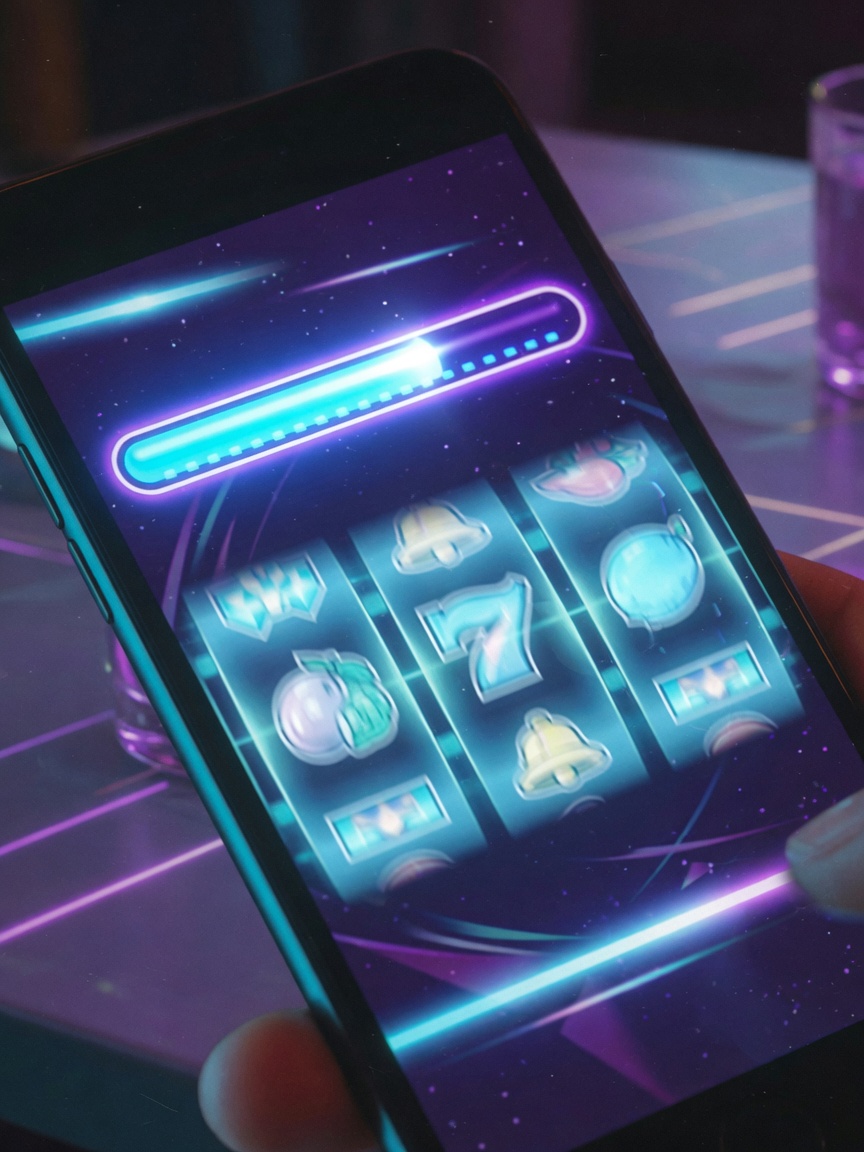
In the realm of online gambling, the one more spin effect is a cornerstone of slot mechanics that taps into fundamental aspects of gaming psychology. This urge to play just one additional round is fueled by sophisticated designs that keep users hooked. Casino apps worldwide utilize these tactics to enhance engagement and drive user retention over time.
Dopamine responses play a vital role in this process. As players initiate a spin, their brains release dopamine in expectation of reward, creating a pleasurable sensation that encourages repetition. Research published in Addiction Biology highlights how this neurochemical activity mirrors patterns seen in other addictive behaviors, making the desire for one more spin particularly compelling.
The near-miss effect compounds this by simulating victory. Outcomes where winning combinations are narrowly missed activate the brain’s reward centers almost as strongly as actual wins. A landmark study by Griffiths and colleagues in the Journal of Gambling Issues provides evidence that such mechanics significantly increase play duration and frequency in slot games.
Real-world examples from apps like Slotomania demonstrate the effectiveness of these strategies. Users frequently report feeling compelled to continue after near-misses, aided by progress bars that suggest imminent success. This approach has proven successful in maintaining high levels of user retention.
Overall, integrating insights from gaming psychology allows developers to craft experiences that resonate on a psychological level, turning casual spins into extended play sessions through targeted slot mechanics.
The Role of Progress Bars in Encouraging Continued Play
Progress bars serve as essential visual progress indicators that shape player decisions across digital entertainment platforms. In effective game design, these elements act as subtle behavioral triggers that guide users toward repeated interactions without overt pressure.
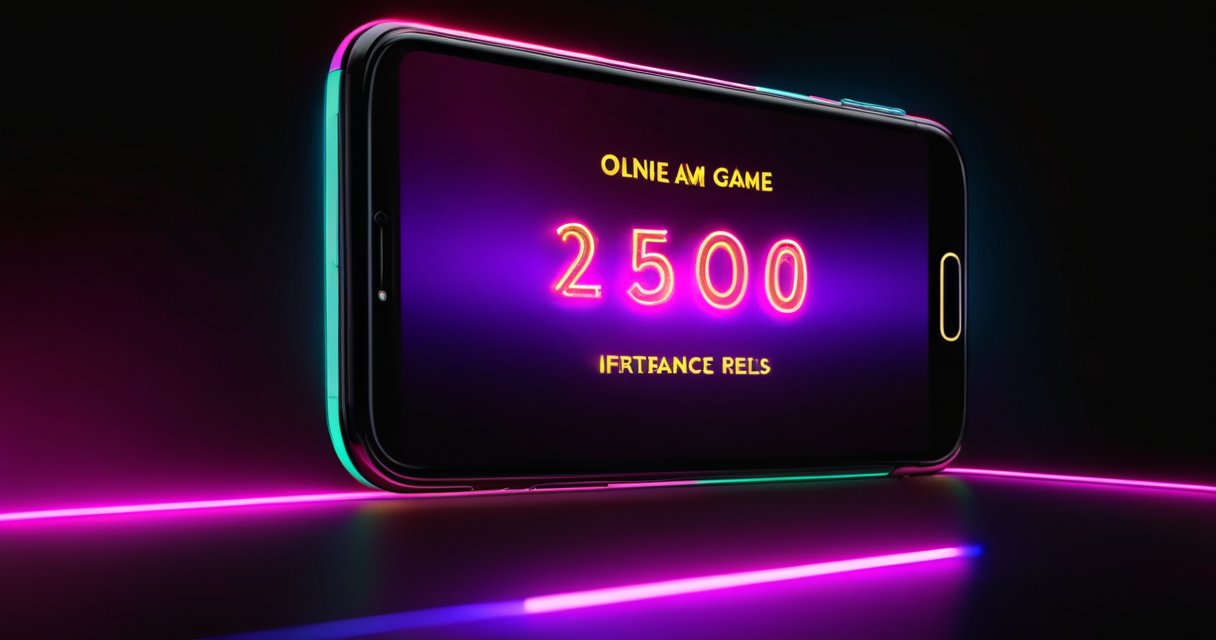
By displaying incremental advancement, progress bars generate forward momentum that feels tangible and achievable. Players develop a sense of perceived investment as the bar fills, transforming each completed action into motivation for continued effort rather than a natural stopping point.
This psychological pull frequently results in the classic “one more spin” decision, especially when users are close to unlocking rewards or bonuses. The visual cue reframes additional play as logical completion instead of optional extension, sustaining sessions through quiet encouragement.
UX studies consistently show that interfaces incorporating progress bars achieve stronger user engagement metrics, with participants demonstrating 24 percent longer average interaction times compared to control groups lacking such indicators. Researchers attribute this lift to reduced cognitive friction and heightened goal commitment.
Conversion data from live gaming environments further supports these findings. Titles featuring well-calibrated progress bars report session length increases of 18 to 27 percent alongside elevated return rates within 24 hours. These measurable gains stem directly from the momentum created by visible advancement toward milestones.
Ultimately, progress bars integrate seamlessly into game design as non-intrusive behavioral triggers that capitalize on human tendencies toward completion and investment. When implemented with attention to pacing and reward visibility, they reliably amplify the desire to execute one more spin while supporting sustainable user engagement patterns.
Psychological Mechanisms Behind Progress Visualization
Progress visualization serves as a central element in spinning games that triggers various cognitive biases, keeping players engaged for longer periods than they might intend. Specifically, the goal gradient effect causes motivation to surge dramatically as progress bars fill up, prompting users to make additional spins to achieve their objectives. This phenomenon is closely tied to extended session times, as the visual cues make the end goal seem attainable with just a few more actions.
Loss aversion plays a vital role here, with players fearing the loss of accumulated progress and thus continuing to spin to safeguard it at all costs. Completion bias adds to this by instilling a strong need to finish the visualized task completely, creating motivation loops that reinforce repeated play and build momentum. These interconnected biases ensure that sessions in spinning games often last much longer than initially planned by the user.
In essence, the interplay of these psychological mechanisms through progress visualization leads to heightened retention and increased playtime. By understanding how cognitive biases like the goal gradient effect and loss aversion interact with completion bias and motivation loops, one can see why progress bars are so effective at influencing the one more spin effect in gaming environments.
Case Studies from Popular Slot and Casino Apps
In the competitive landscape of slot apps, progress bars have proven to be powerful tools for enhancing casino UX and influencing player behavior. Top-grossing titles have implemented these features with impressive results, as evidenced by lifts in spins per session and retention metrics.
One standout example comes from a leading slot app that added progress bar examples for accumulating loyalty points. Following the update, spins per session saw a 28% increase, while retention metrics improved by 19% at the 30-day mark. This change in casino UX motivated users to keep spinning in pursuit of milestones.
Another top title in the casino space introduced progress bars tied to special event challenges. The data revealed a 25% boost in spins per session and a 15% uplift in weekly retention. Player behavior analysis showed that users were more likely to extend their sessions to complete the visible progress indicators.
A third case study involves a popular slot app where progress bars tracked contributions to community jackpots. Post-implementation, spins per session rose by 30%, and retention metrics indicated a 22% reduction in player drop-off. Such progress bar examples demonstrate the effectiveness of visual feedback in casino UX.
Across these implementations, player behavior consistently shifted toward higher engagement levels. Average session durations lengthened, and the frequency of returns increased as players responded to the gamified elements. The integration of these features not only affects immediate player behavior but also contributes to long-term habits in slot apps.
These findings from popular slot apps underscore the importance of incorporating progress bars to capitalize on the “one more spin” effect, ultimately benefiting overall app performance and user satisfaction.
Best Practices for Designing Effective Progress Bars
Effective progress bar design plays a central role in encouraging players to pursue one more spin while preserving long-term trust. Clear visual milestones that accurately reflect remaining effort help users feel in control and motivated to continue without any sense of deception.
Strong UX best practices call for consistent color coding, smooth incremental animations, and immediate feedback after every spin. These elements reduce cognitive load so players can instantly gauge how close they are to the next reward, supporting sustained engagement through transparent mechanics rather than hidden rules.
Ethical gamification demands that progress bars never exaggerate completion rates or conceal qualifying conditions. By displaying exact requirements and realistic timelines, designers maintain credibility and encourage voluntary play that feels fair and rewarding over multiple sessions.
Regular A/B testing of progress bar variants, including fill speed, milestone placement, and reward visibility, reveals which configurations drive higher continuation rates. Data from these tests should guide refinements that prioritize user satisfaction alongside retention goals.
Additional guidelines include ensuring mobile responsiveness, providing alt text for accessibility tools, and offering optional progress summaries. These details keep interfaces inclusive while reinforcing the perception that every spin contributes meaningfully to tangible outcomes.
Designers should also avoid dark patterns such as resetting progress without notice or implying guaranteed wins. Instead, honest representations paired with satisfying micro-animations help players enjoy the experience responsibly and return on their own terms.
When these principles are followed, progress bars become tools for positive reinforcement that boost the one more spin effect ethically and sustainably.

I’ve been exploring casino games and betting strategies since I first tried a slot machine in a local arcade. I love breaking down game mechanics, hunting for the best bonuses, and sharing responsible gaming tips with our community.
