
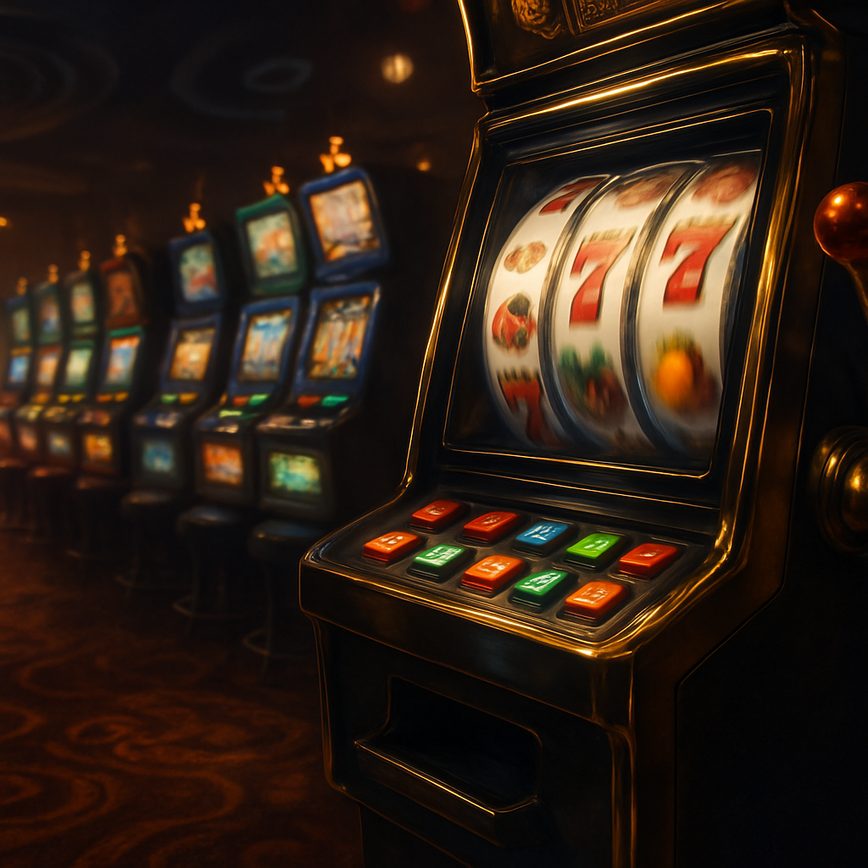
Introduction to Background Music and Betting Behavior
Background music is a pervasive element in many gambling environments, strategically used to influence bettors’ behavior and enhance the overall experience. One key aspect of this influence lies in the tempo of the music, which plays a crucial role in shaping betting speed and decision-making processes. By understanding the relationship between background music tempo and betting behavior, casinos and gaming establishments can create atmospheres that subtly accelerate or decelerate player actions, directly impacting gambling psychology.
Music tempo refers to the speed or pace of a given piece of music, typically measured in beats per minute (BPM). In gambling settings, faster tempos often correlate with more energetic and heightened excitement, encouraging players to make quicker bets. Conversely, slower tempos can induce a calmer environment, leading to more deliberate and slower betting actions. This dynamic interplay between music tempo and betting speed enables venues to carefully control the pace at which games unfold and keep players engaged for longer periods.
The use of background music in gambling environments is not merely for entertainment; it is a calculated tool used to affect emotional states and cognitive functions. Music’s rhythmic patterns stimulate the brain, influencing mood and arousal levels, which are fundamental components of gambling psychology. Fast-paced music can increase adrenaline and excitement, prompting riskier and faster bets, while slow music can provide a sense of comfort that encourages longer play sessions without rapid betting decisions.
In addition to influencing betting speed, background music helps mask the typical sounds of disappointment, such as slot machine losses or near misses, by layering a continuous auditory backdrop. This creates a consistent environment that keeps gamblers focused on the game rather than on negative outcomes. The tempo and style of music are carefully selected based on the desired impact on player behavior, making it an essential factor in designing successful gambling experiences.
Overall, the relationship between background music tempo and betting speed highlights the sophisticated ways in which casinos leverage auditory stimuli to shape gambling behavior. Through manipulating music tempo, venues can subtly guide player actions, influencing how fast they bet and how invested they become, demonstrating the powerful connection between music, mind, and money in the world of gambling.
Psychological Effects of Music on Decision Making
The psychology of music reveals that different tempos can significantly influence decision making, especially in environments like betting where cognitive acuity and emotional control are critical. Fast-paced music tends to increase arousal levels, stimulating quicker cognitive processing but sometimes at the cost of impulsivity. Bettors exposed to higher tempo music often make decisions faster, driven by heightened emotional states such as excitement or urgency. This can lead to more risk-taking behavior as the brain focuses on immediate rewards rather than long-term outcomes.
Conversely, slower music tempos usually promote relaxation and lower arousal, which can help calm the nervous system and enhance reflective thinking. In betting scenarios, this type of music may encourage more deliberate, thoughtful decision making, reducing the likelihood of rash bets. The music influence on emotional state serves to modulate attention and cognitive control, ultimately guiding how bettors evaluate odds and potential rewards.
Overall, the tempo of background music acts as a subtle but powerful factor that shapes the cognitive processes underlying betting behavior. Understanding the psychology of music can help in creating environments that optimize decision making by either speeding up or slowing down the tempo to suit the desired betting pace and risk tolerance.
Typical Use of Background Music in Betting Venues
In betting venues, casino music is a carefully crafted tool used to shape the gambler’s experience and influence betting speed. Casinos and online betting platforms strategically select background sound to create an atmosphere that encourages players to stay engaged and place more bets. Typically, upbeat and rhythmic music with a moderate tempo is employed to stimulate excitement and maintain a steady pace of betting. This type of music subtly energizes bettors, making them more alert and quick to make decisions.
On the other hand, slower music with calming tones can be used during quieter periods or near closing times to gently slow down the betting pace, allowing players to relax and extend their playtime without feeling rushed. The use of background sound varies depending on the time of day, crowd density, and the specific goals of the casino or online platform.
Online betting websites often incorporate dynamic casino music that changes tempo and style based on gameplay events or betting intensity. This auditory cue guides players emotionally, increasing thrill during winning streaks or when stakes get higher. By adjusting the tempo of background sound, platforms effectively influence how quickly users place bets, enhancing both user experience and profitability.
Overall, the intentional use of casino music in betting venues serves as a subtle yet powerful method to control the flow and speed of betting, keeping players engaged and motivated to continue wagering.
Impact of Different Music Tempos on Betting Speed
Music tempo plays a significant role in influencing human behavior, and its effects on betting speed are no exception. The tempo of background music—whether fast, moderate, or slow—can greatly affect the pace and intensity with which bettors place their wagers. Understanding these dynamics provides valuable insight for casinos and online betting platforms aiming to optimize player engagement and revenue.
Fast tempo music, characterized by a high beats-per-minute rate, tends to accelerate the pace at which individuals make decisions. When such music is played during betting activities, players often exhibit heightened arousal and excitement, which can lead to quicker and more frequent bets. The stimulating effect of fast tempo music creates a sense of urgency, pushing bettors to act swiftly without prolonged deliberation. As a result, betting speed increases, often accompanied by heightened bet sizes and intensified gameplay, as the rhythm drives a more aggressive betting approach.
On the other hand, slow tempo music creates a contrasting atmosphere. The relaxed and calming nature of slow tempo tunes tends to slow down the cognitive processing speed and reduce arousal levels. In betting contexts, this results in a more measured and deliberate betting speed. Bettors may take longer to analyze odds and outcomes, carefully considering their choices before placing bets. This slower pace can contribute to more thoughtful and strategic betting, potentially reducing impulsive decisions and fostering responsible gambling behavior.
Moderate tempo music strikes a balance between the fast and slow ends of the spectrum. It maintains a steady rhythm that neither overstimulates nor underwhelms the player. This tempo can encourage a controlled yet steady betting speed, allowing players to feel engaged without the rush or lethargy induced by extreme tempos. Betting intensity under moderate tempo music is often stable, creating a comfortable environment that promotes sustained gameplay without overwhelming the bettor’s decision-making process.
Overall, the impact of music tempo on betting speed is clear: fast tempo music accelerates betting actions and intensifies player engagement, slow tempo promotes caution and slower betting, while moderate tempo provides a balanced environment for steady wagering. Casinos and betting sites can strategically use different music tempos to influence player behavior, enhancing the gaming experience while also considering the implications for responsible gambling.
Effects of Fast Tempo Music on Betting Speed
Fast tempo music is known to energize and stimulate listeners, and within gambling environments, it can significantly impact betting behavior. The presence of fast tempo tunes tends to encourage quick betting as players become more engaged with the rhythm, pushing them to place wagers at an increased speed. This escalation in betting pace is often associated with heightened arousal and excitement, which can lead to more aggressive behavior on the part of gamblers.
When fast tempo music fills the background, it serves as an external cue that accelerates decision-making processes. Gamblers may feel a subconscious pressure to keep up with the brisk auditory pace, resulting in less time for deliberation and more spontaneous betting actions. This quick betting dynamic can foster a sense of urgency, tempting players to take bigger risks than they might under calmer conditions.
Moreover, fast tempo music’s stimulating effects can amplify aggressive behavior, increasing the likelihood of risk-taking. This means that gamblers might not only bet faster but also more impulsively, with a greater willingness to chase losses or bet beyond their usual limits. Such behavior can enhance the excitement of the gambling experience but also raises concerns about responsible gaming and the potential for harm.
In conclusion, fast tempo music significantly influences betting speed by promoting quick betting and increasing the overall pace of play. Coupled with an inclination toward aggressive behavior and risk-taking, the auditory environment can shape both the tempo and psychological state of gamblers, highlighting the importance of mindful music selection in gaming spaces.
Effects of Slow Tempo Music on Betting Speed
Slow tempo music has a significant impact on the pace of betting activities, often leading to a noticeable reduction in speed. When background music plays at a slow tempo, it creates an environment that encourages calm betting and a more relaxed behavior among players. The slower rhythm naturally slows down the decision-making process, as bettors tend to take more time to consider their options and weigh potential outcomes carefully.
This tranquil auditory backdrop promotes thoughtful decision making because it reduces the sense of urgency that faster music might induce. In settings where slow tempo music is present, players are less likely to rush into bets impulsively. Instead, they adopt a more reflective approach, analyzing the game and their strategies without pressure. This leads to better decisions and, often, a more enjoyable overall experience.
Furthermore, slow tempo music helps to create a soothing atmosphere that can alleviate the stress and excitement frequently associated with betting environments. By calming the mind, it supports players in maintaining focus and avoiding hasty mistakes. The combination of reduced speed and relaxed behavior makes slow tempo music a valuable tool in shaping player interactions and promoting responsible gambling habits.
In summary, slow tempo music is instrumental in slowing down betting actions, encouraging calm betting, and fostering a mindset geared towards more deliberate and thoughtful decision making.
Practical Implications and Recommendations for Using Music in Betting Environments
Integrating a thoughtful music strategy in betting environments can significantly enhance gambling management and player experience. Casinos and online platforms have the unique opportunity to use background music tempo as a subtle yet powerful tool to influence betting speed and overall player engagement.
First and foremost, it is essential to understand the varying effects of different music tempos on player behavior. Faster tempos tend to increase arousal and encourage quicker betting actions, which can be beneficial during promotional periods or peak hours when turnover needs to be maximized. Conversely, slower tempos can help maintain a relaxed atmosphere, encouraging players to stay longer, which ultimately supports retention and a more enjoyable gambling experience.
Casinos should consider tailoring their background music tempo according to specific zones within the venue. High-stakes areas or fast-paced sections can benefit from upbeat, brisk music to maintain energy and focus on quick decision-making. In contrast, lounge areas or spaces intended for casual play should feature slower tempos that promote calmness and reduce impulsive betting behavior, contributing to responsible gambling practices.
Online betting platforms can also leverage tempo-adjusted playlists to enhance user interaction. Dynamic music algorithms that adjust tempo based on user activity or time spent on the platform create a more immersive experience. For example, increasing tempo slightly during live events or betting windows can stimulate engagement, while slowing music during breaks or waiting times helps control pacing and prevent burnout.
Importantly, any music strategy should align with responsible gambling principles. Overstimulating players with excessively fast music could lead to rushed decisions and negatively impact player welfare. Therefore, continuous monitoring and adaptation of music tempo based on real-time data and user feedback are crucial for optimized gambling management.
In summary, casinos and online platforms that strategically use background music tempo can significantly influence betting behavior to achieve desired outcomes. Employing a balanced approach that considers the context of the betting environment and individual player experiences not only drives player satisfaction but also underpins responsible gambling management.
Balancing Music Tempo to Enhance Player Engagement
To optimize player engagement in a casino atmosphere, it is essential to find the right music balance that influences betting speed without pushing players toward reckless decisions. One effective strategy is to alternate between fast and slow music tempos. Fast tempos can energize the environment and heighten excitement, encouraging players to remain attentive and involved. However, prolonged exposure to rapid beats may lead to impulsive betting, so it is crucial to introduce slower tempos periodically to induce calm and reflection.
Another approach is to tailor the music tempo to the stage of the gaming experience. For instance, during initial rounds or high-stakes moments, moderate-paced tempos can regulate the pace, maintaining steady betting speeds. In contrast, slower background music during breaks or downtime helps players reset mentally and reduces the risk of hasty wager decisions. This dynamic adjustment creates a balanced auditory environment that supports both concentration and relaxation.
Moreover, utilizing ambient, smooth tracks during peak betting times can sustain the casino atmosphere without overwhelming players. Combining this with intermittent faster segments ensures continuous engagement while safeguarding responsible play. Monitoring real-time player responses to music tempo shifts can further enhance this balance, ultimately fostering a safer and more enjoyable betting experience.
Ethical Considerations When Using Music to Influence Betting
When using music tempo to influence betting speed, ethics play a crucial role in ensuring that players’ welfare is prioritized. Manipulating betting speeds through the careful selection of background music walks a fine line between enhancing the player experience and potentially encouraging impulsive gambling behaviors. Operators must recognize the responsibility they have in protecting their players, upholding gambling responsibility, and avoiding any tactics that could be viewed as exploitative.
It is essential to be transparent about how music influence is applied within gaming environments. Ethical practices include using music tempo to create a comfortable and enjoyable atmosphere without pressuring players to bet faster than they are comfortable with. Clear communication and the option to control or disable background music can empower players to maintain control over their betting behavior, an important aspect of player protection.
Furthermore, implementing limits and monitoring mechanisms alongside music adjustments can help ensure that music influence does not inadvertently contribute to problematic gambling. Collaboration with behavioral experts can guide ethical standards for integrating music in betting contexts. Ultimately, embracing ethics and prioritizing gambling responsibility will help foster a safe and sustainable gaming environment where music’s psychological effects enhance rather than exploit the player experience.

I’ve been exploring casino games and betting strategies since I first tried a slot machine in a local arcade. I love breaking down game mechanics, hunting for the best bonuses, and sharing responsible gaming tips with our community.
