
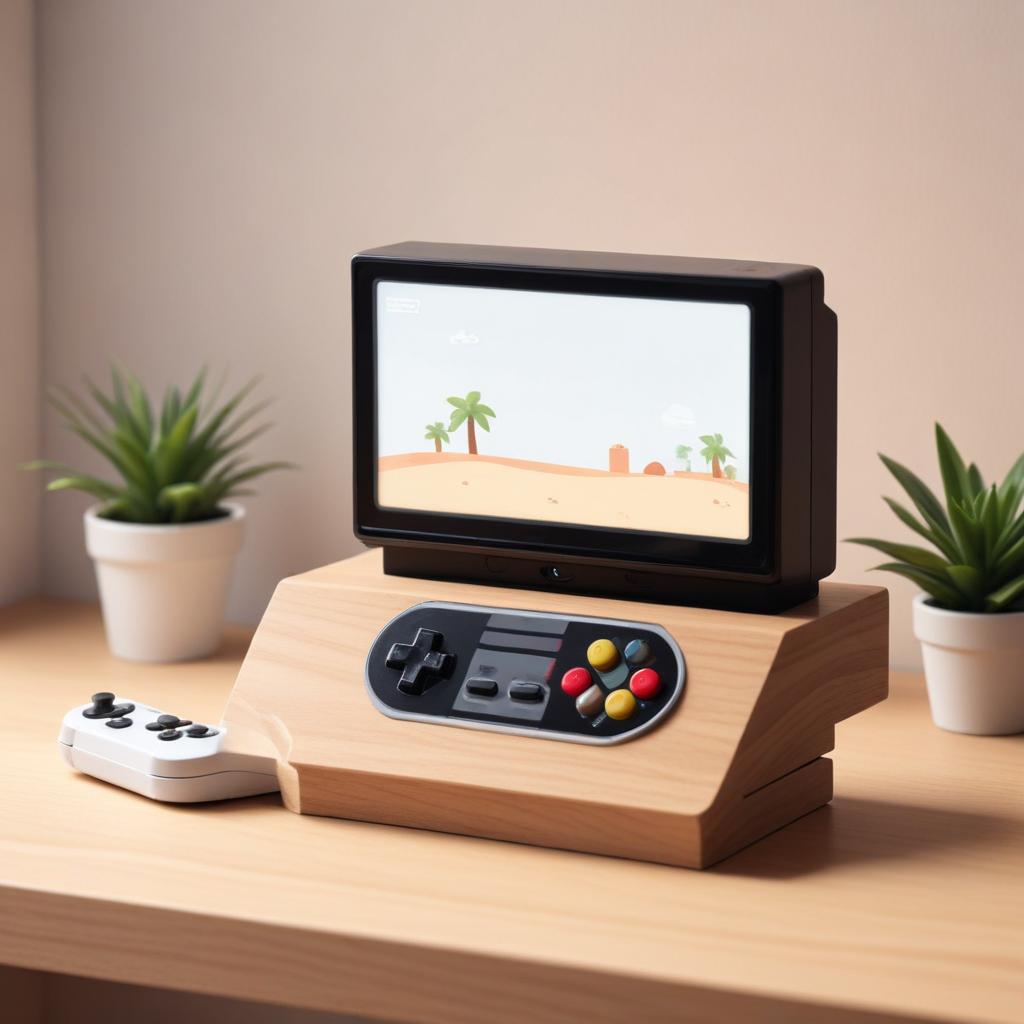
The Appeal of Ultra-Simple Mini Games
Ultra-simple mini games have carved out a unique niche in the realm of casual gaming, captivating users with their straightforward design and immediate playability. One of the key factors behind the user appeal of these games is their accessibility. Unlike complex video games that require significant time investment to learn rules and controls, simple mini games offer instant understanding and easy navigation. This accessibility allows players of all ages and skill levels to enjoy the experience without frustration or confusion, making them an attractive option for a broad audience.
Another crucial element contributing to the popularity of ultra-simple mini games is the provision of quick entertainment. In today’s fast-paced world, users often seek moments of fun that can be enjoyed during short breaks or while multitasking. These games deliver precisely that by offering engaging gameplay sessions that last just a few minutes, providing an effective way for users to relax and refresh their minds without a long-term commitment.
Moreover, the simplicity of these mini games reduces barriers to entry and ensures smooth performance across a wide range of devices, which further enhances their reach and user appeal. Players can easily access these games on smartphones, tablets, or computers without worrying about high system requirements or long download times. This convenience aligns perfectly with the casual gaming trend, wherein users prefer games that fit seamlessly into their daily routines.
In summary, the appeal of ultra-simple mini games lies in their ability to combine effortless accessibility with quick, enjoyable gameplay. These attributes not only boost their popularity but also establish them as a favorite choice among casual gamers looking for instant fun and light entertainment. As the gaming landscape continues to evolve, the enduring charm of simple mini games will likely remain a cornerstone of game design focused on broad user enjoyment.
Accessibility and Ease of Play
One of the key reasons ultra-simple mini games are so popular is their easy-to-play nature. These games feature simple controls that anyone can quickly grasp, making them incredibly user-friendly. Whether you’re a seasoned gamer or someone picking up a game for the first time, the straightforward mechanics ensure that there is little to no learning curve. This accessibility means players of all ages can enjoy the game without frustration or confusion.
The clear and simple objectives also contribute to the games’ appeal. Instead of overwhelming players with complicated rules or multiple goals, these mini games focus on a singular, easy-to-understand task. This encourages quick sessions of play where users can jump right in, accomplish something satisfying, and pause whenever they want without losing progress or feeling burdened by complexity.
Moreover, the combination of simple controls and straightforward objectives fosters an inclusive gaming environment. Accessibility is a major priority, and developers design these games to be enjoyed across different devices and by players with varying levels of gaming experience. This approach ensures that the fun of gaming is universally available, reinforcing why ultra-simple mini games remain favorites across demographics.
Quick Entertainment for Busy Users
Mini games are perfect for busy users seeking quick games that fit into their hectic schedules. These games offer short play sessions, allowing players to dive into instant fun without the need for a significant time commitment. Whether waiting for a meeting, commuting, or taking a short break, mini games provide a quick escape that fits seamlessly into these small pockets of time.
With the demands of modern life, many users find it difficult to dedicate long hours to gaming. Mini games cater to this need by delivering instant fun and engaging gameplay that can be enjoyed in just a few minutes. Such quick games are designed to be accessible and straightforward, making them ideal for those who want entertainment but cannot commit to extended play sessions.
The appeal of mini games lies in their ability to provide a satisfying gaming experience almost immediately. This instant fun keeps busy users coming back, as they can quickly recharge their minds or relieve stress with a game that doesn’t require lengthy tutorials or complicated controls. The simplicity and speed of mini games make them a popular choice for users on the go.
Psychological Factors Behind User Enjoyment
Ultra-simple mini games captivate users largely due to fundamental principles in the psychology of gaming. One major aspect is how these games tap into the brain’s reward system. By offering small but frequent rewards, such as points, visual effects, or progress indicators, these games trigger dopamine release, reinforcing a cycle of enjoyment and motivation. This immediate gratification keeps players engaged, as the brain craves the positive stimulus associated with these rewards.
Another important psychological factor is the balance between challenge and achievement. Ultra-simple mini games are designed to offer just the right level of difficulty to keep users interested without causing frustration. The sense of accomplishment when overcoming a challenge, no matter how small, activates feelings of competence and mastery. This balance helps maintain a user’s attention and encourages repeated play, making the experience satisfying.
Moreover, these games provide notable stress relief benefits. In today’s fast-paced world, players often seek quick escapes to unwind. The straightforward mechanics and brief duration of ultra-simple mini games make them excellent tools for mental relaxation. Engaging in such gameplay offers a distraction from daily worries and promotes a calming effect on the mind, which can reduce stress and anxiety.
Overall, the psychology of gaming reveals that ultra-simple mini games effectively combine reward triggers, manageable challenges, and stress relief to craft an enjoyable user experience. Their appeal lies not only in entertainment but also in their ability to satisfy psychological needs while providing moments of relaxation and achievement. This unique blend explains why many users gravitate towards these games and find lasting enjoyment in them.
Instant Rewards and Achievements
The reward system in ultra-simple mini games is designed to provide players with instant gratification. This immediate feedback is crucial in creating a satisfying gaming experience because it taps directly into the brain’s dopamine release mechanism. When a player achieves a goal, even if it’s as small as completing a level or scoring points, the brain rewards them with a rush of dopamine, reinforcing positive feelings and motivation.
Simple game achievements are easy to understand and accomplish, which helps maintain a positive loop for players. Unlike complex or delayed rewards, instant achievements give players a clear signal of success, encouraging them to keep playing. This cycle of immediate reward followed by renewed effort keeps engagement high and makes the gaming experience enjoyable and addictive.
Furthermore, the straightforward nature of these mini games eliminates frustration and cognitive overload, allowing players to focus on the joy of earning rewards quickly. This constant, reliable reward system builds confidence and satisfaction, making players feel accomplished even in short bursts of play. Overall, instant rewards and simple achievements are key elements in driving player retention and enhancing the positive emotional impact of mini games.
Mental Break and Stress Reduction
Ultra-simple mini games provide an excellent opportunity for a quick mental break during a busy day. These games, designed with simplicity in mind, require minimal cognitive effort, allowing players to momentarily detach from their stressful routines. By engaging in these casual gaming experiences, users can experience instant stress relief, which contributes significantly to overall mental well-being.
The benefits of casual gaming extend beyond mere entertainment. Playing ultra-simple mini games helps the brain shift focus away from worries and work-related pressures, fostering relaxation. This mental shift is crucial, as it can help lower cortisol levels—the hormone associated with stress. The brief, enjoyable distractions offered by these games create a healthy pause, making it easier to return to daily tasks with renewed energy and a clearer mind.
Furthermore, the quick accessibility of such games means that even just a few minutes can be enough to achieve these benefits. Unlike longer gaming sessions, ultra-simple mini games fit seamlessly into short breaks, making stress relief practical and accessible. In sum, these games are a valuable tool in promoting mental relaxation and enhancing productivity by providing a refreshing escape when it’s most needed.
Benefits of Ultra-Simple Mini Games in Modern Gaming
In the dynamic landscape of modern gaming, ultra-simple mini games have carved out a distinct and valuable niche, particularly on mobile platforms. These games, characterized by their straightforward mechanics and quick play sessions, offer several advantages that enhance user engagement and provide significant benefits for game development.
One of the major benefits of ultra-simple mini games is their accessibility. Mobile gaming has revolutionized how people interact with games by providing entertainment on-the-go, and simple mini games perfectly complement this trend. Their ease of play ensures that users can quickly grasp the rules without the need for lengthy tutorials or complex controls, making them appealing to a wide demographic, from casual gamers to those new to gaming.
Moreover, ultra-simple mini games boost user engagement by providing instant gratification and repetitive gameplay loops that are easy to pick up but challenging enough to maintain interest. This creates a compelling user experience that encourages players to spend more time within the game environment, leading to higher retention rates. For mobile gaming, where user attention spans are often brief, this engagement is crucial.
From the perspective of game development, ultra-simple mini games are cost-effective and less resource-intensive to produce compared to large-scale, complex games. Developers can rapidly iterate on designs, test new mechanics, and launch updates that keep the content fresh without extensive downtime or budget overruns. This agility suits the fast-paced nature of modern gaming markets, where trends shift quickly and player preferences evolve.
Another advantage lies in the versatility of ultra-simple mini games as tools for both entertainment and education. Their minimalist design can be adapted for various purposes, including promotional campaigns, onboarding processes in larger games, or even as parts of social media interactions. This versatility maximizes their impact within mobile gaming ecosystems, enhancing both user experience and brand engagement.
In summary, ultra-simple mini games play a critical role in modern gaming by providing accessible, engaging, and cost-effective entertainment options that resonate strongly with mobile gamers. Their ability to captivate users quickly and sustain interest with minimal complexity makes them an indispensable element of today’s game development strategies.
Enhancing User Engagement and Retention
Simplicity in mini games is a powerful driver of user engagement and retention rates. When gameplay is straightforward and easy to grasp, players can quickly immerse themselves without the frustration of complex rules or lengthy tutorials. This simplicity not only lowers the barrier to entry but also makes the games more accessible to a wider audience, including casual gamers who seek quick bursts of entertainment.
Simple gameplay fosters a sense of immediate satisfaction, allowing players to achieve goals and experience small wins frequently. This positive reinforcement encourages players to keep playing, boosting overall user engagement. The intuitive nature of ultra-simple mini games means users can effortlessly pick them up at any time, making them ideal for short sessions during breaks or commutes.
Moreover, the replayability of these games is significantly enhanced by their uncomplicated mechanics. Players are motivated to return repeatedly as the game offers a consistent and enjoyable experience without overwhelming them. This repetitive play forms habits, increasing retention rates as users come back to beat their previous scores or simply enjoy the relaxing gameplay loop.
In essence, the focus on simplicity translates directly into stronger user engagement and higher retention rates, making ultra-simple mini games a successful strategy for keeping players entertained and coming back for more.
Low Development Costs and Broad Reach
Ultra-simple mini games are highly cost-effective to develop due to their minimalistic design and straightforward mechanics, which significantly reduce development cost. Unlike complex games requiring extensive coding, elaborate graphics, or lengthy storylines, these games focus on simplicity, allowing smaller teams or solo developers to bring a project to market efficiently. This streamlined development process not only reduces expenses but also shortens the time to launch.
Another key advantage lies in game accessibility. Ultra-simple mini games are crafted to be mobile friendly, ensuring they perform smoothly across a wide range of devices, including smartphones, tablets, and basic computers. This cross-device compatibility means players can easily access these games anytime and anywhere, without needing specialized hardware or software. The simplicity of the game mechanics also caters to a broad audience demographic, from casual gamers seeking quick entertainment to those less familiar with gaming technologies.
The combination of low development cost and high accessibility helps these mini games reach a broad audience globally. Their universal appeal, combined with easy online or app-based distribution, enables developers to tap into an extensive player base without the need for costly marketing campaigns or platform-specific adaptations. Ultimately, these factors establish ultra-simple mini games as a strategic choice for developers aiming to maximize both profitability and player reach worldwide.

I’ve been exploring casino games and betting strategies since I first tried a slot machine in a local arcade. I love breaking down game mechanics, hunting for the best bonuses, and sharing responsible gaming tips with our community.
